
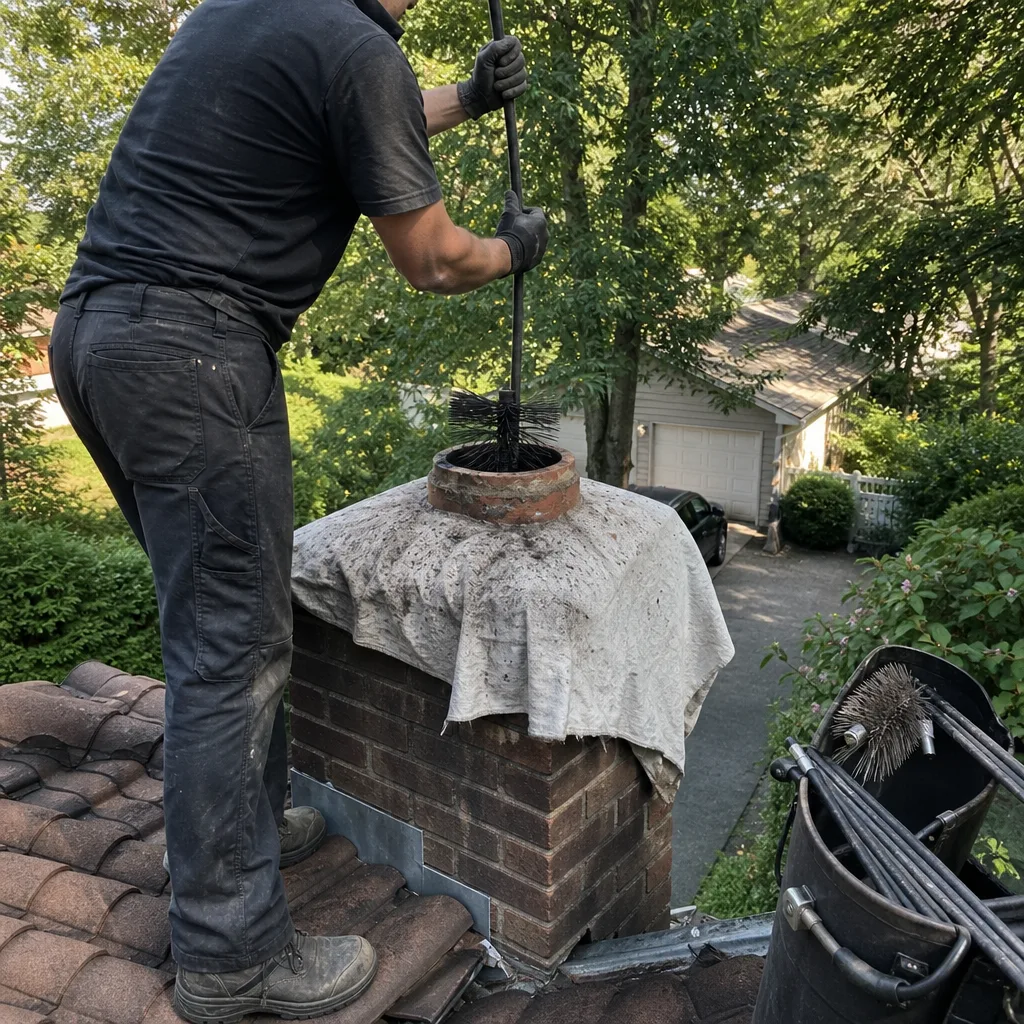
Level 1 sweep and inspection to the NFPA 211 annual standard - flue, crown, cap, and flashing checked and photographed
Chimney sweep logs do not sweep chimneys. They loosen some creosote - which then falls where a brush and vacuum still have to collect it.
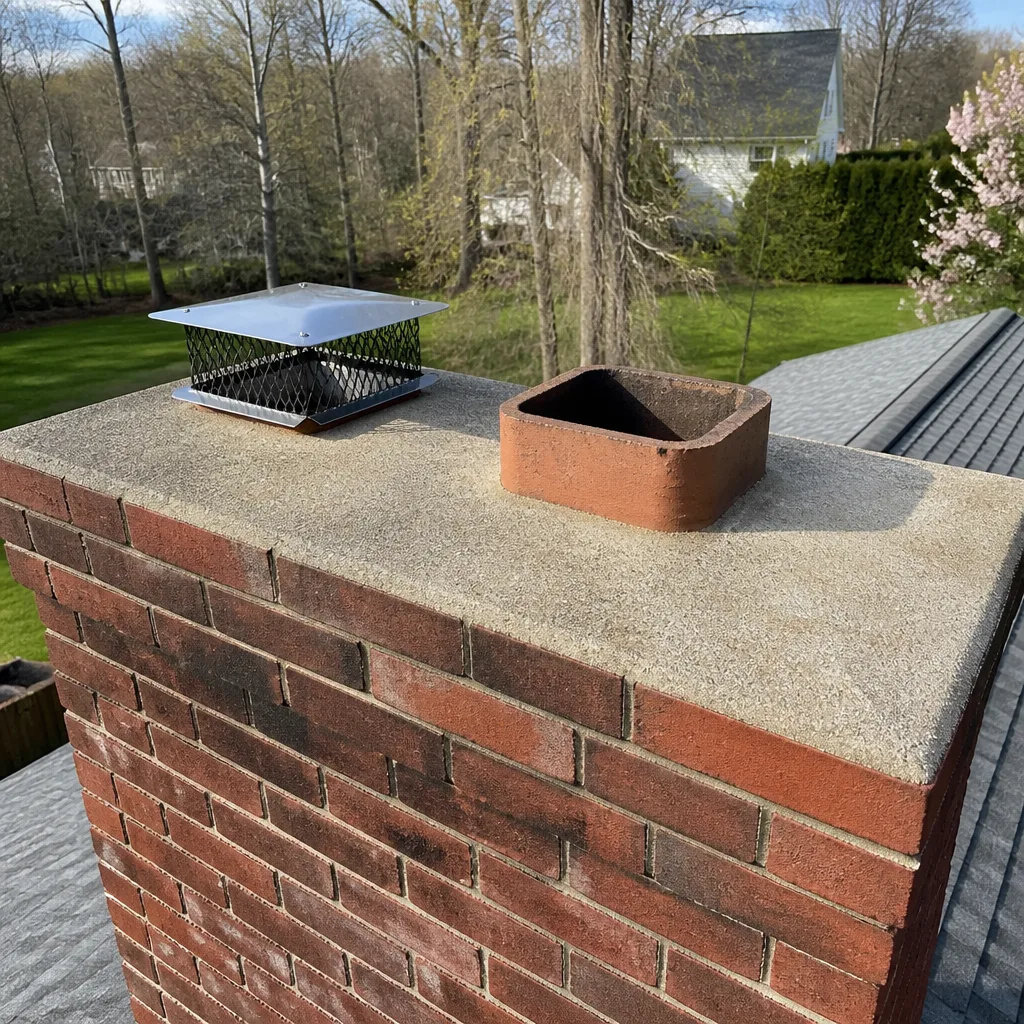
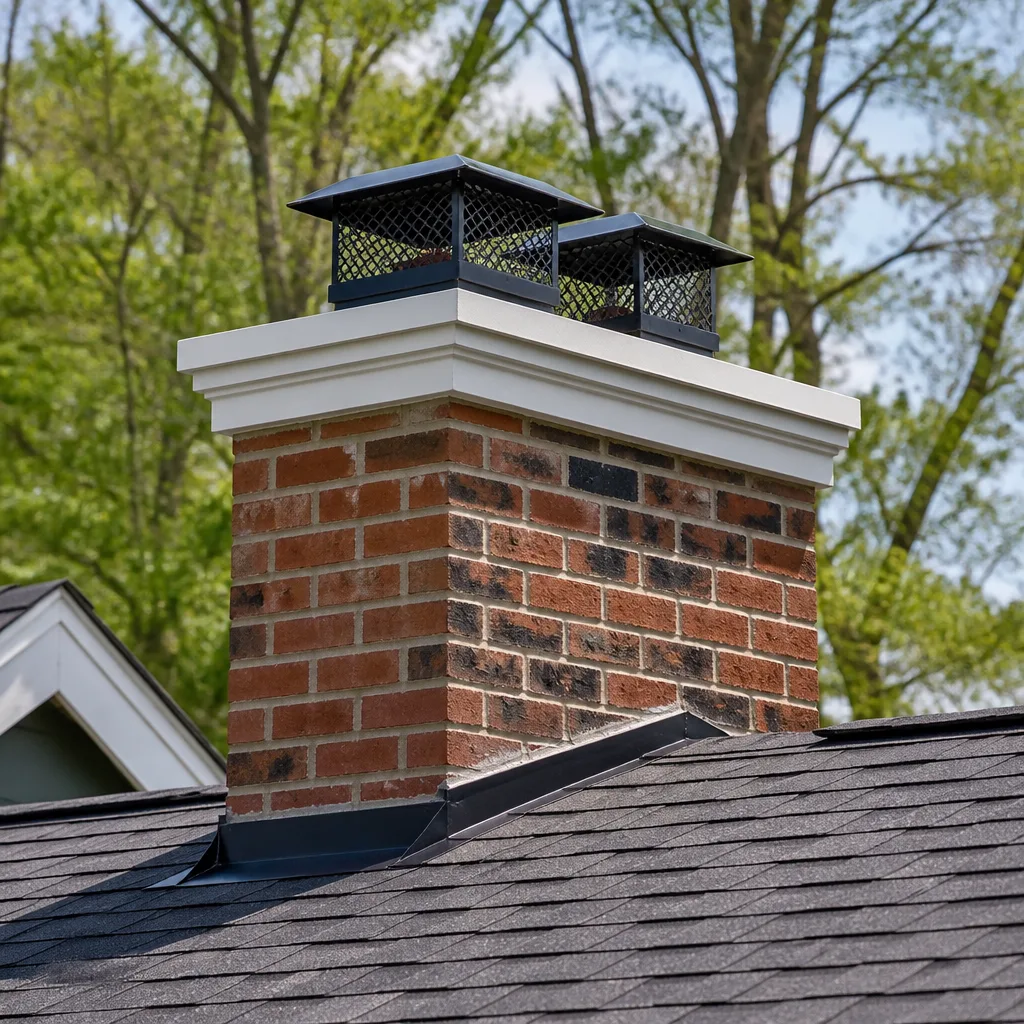
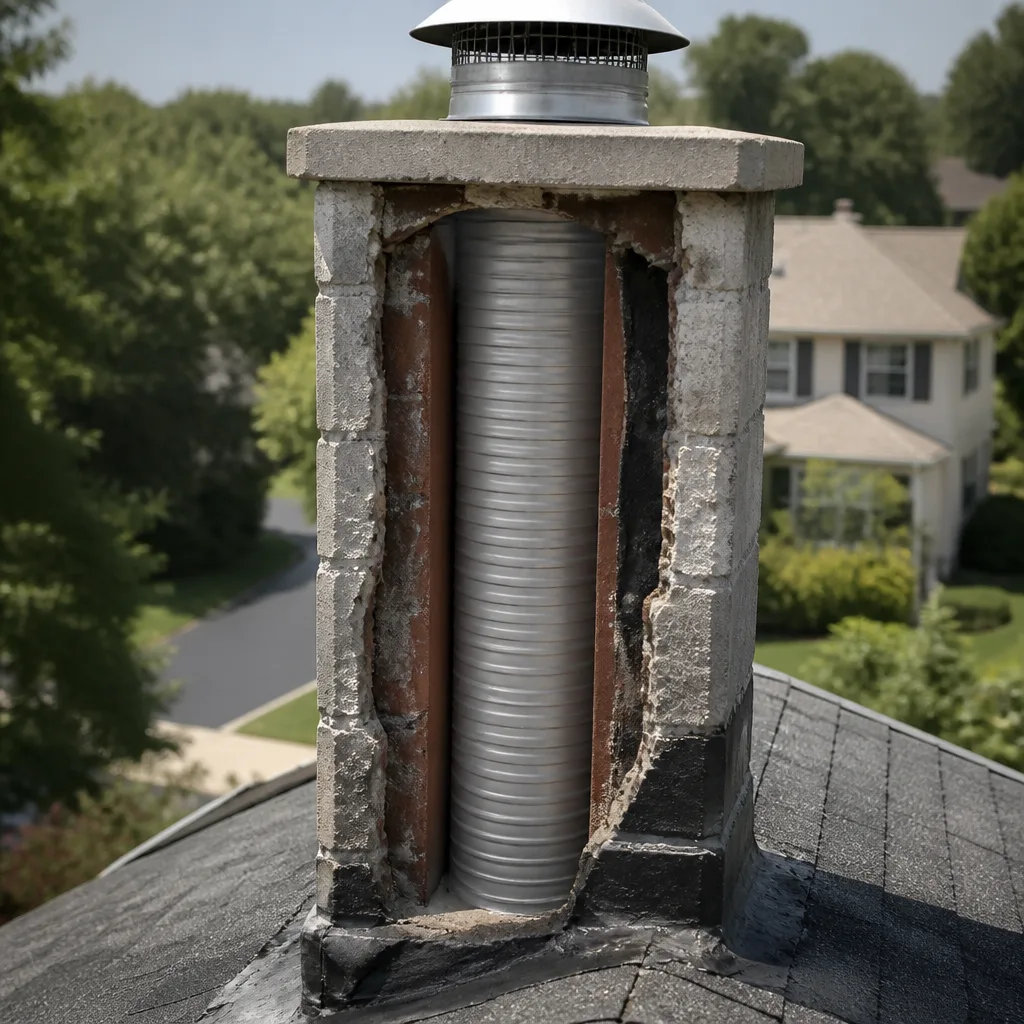
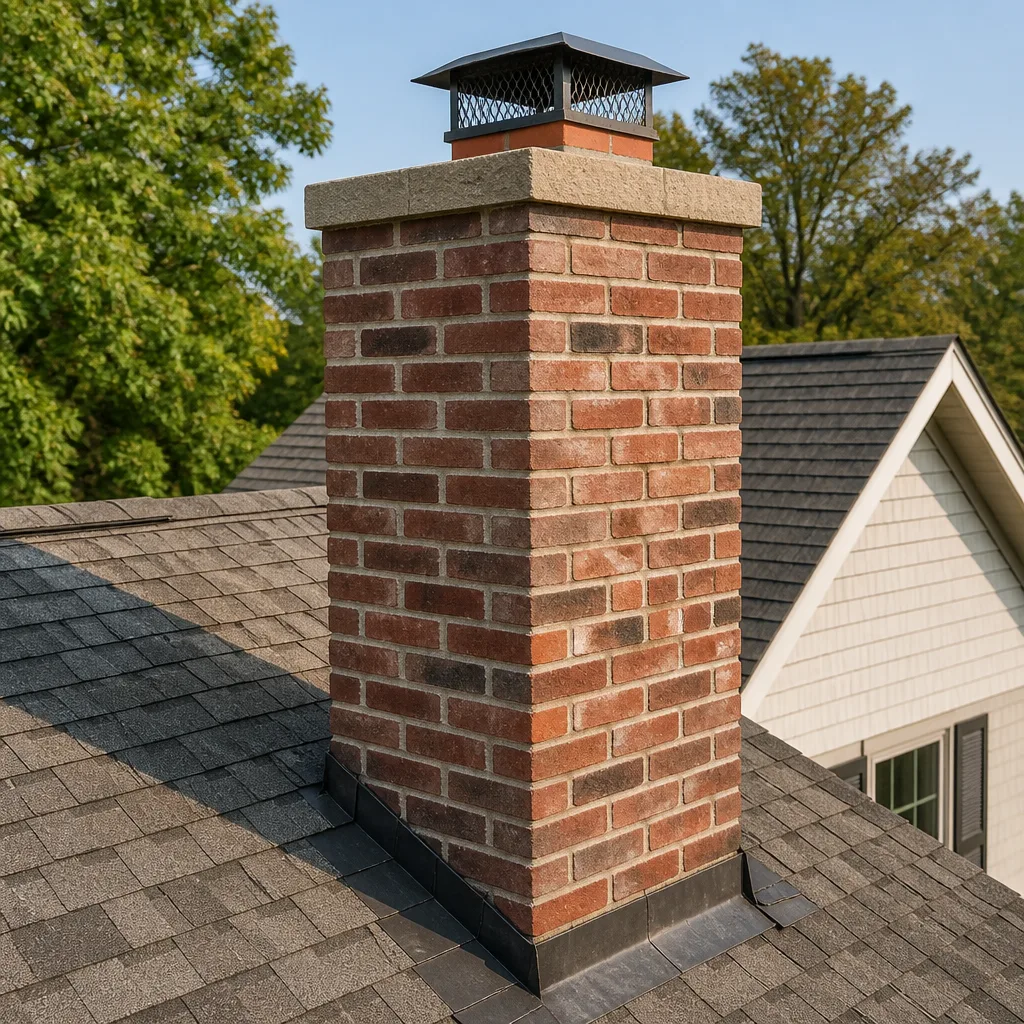
 Before
 After
After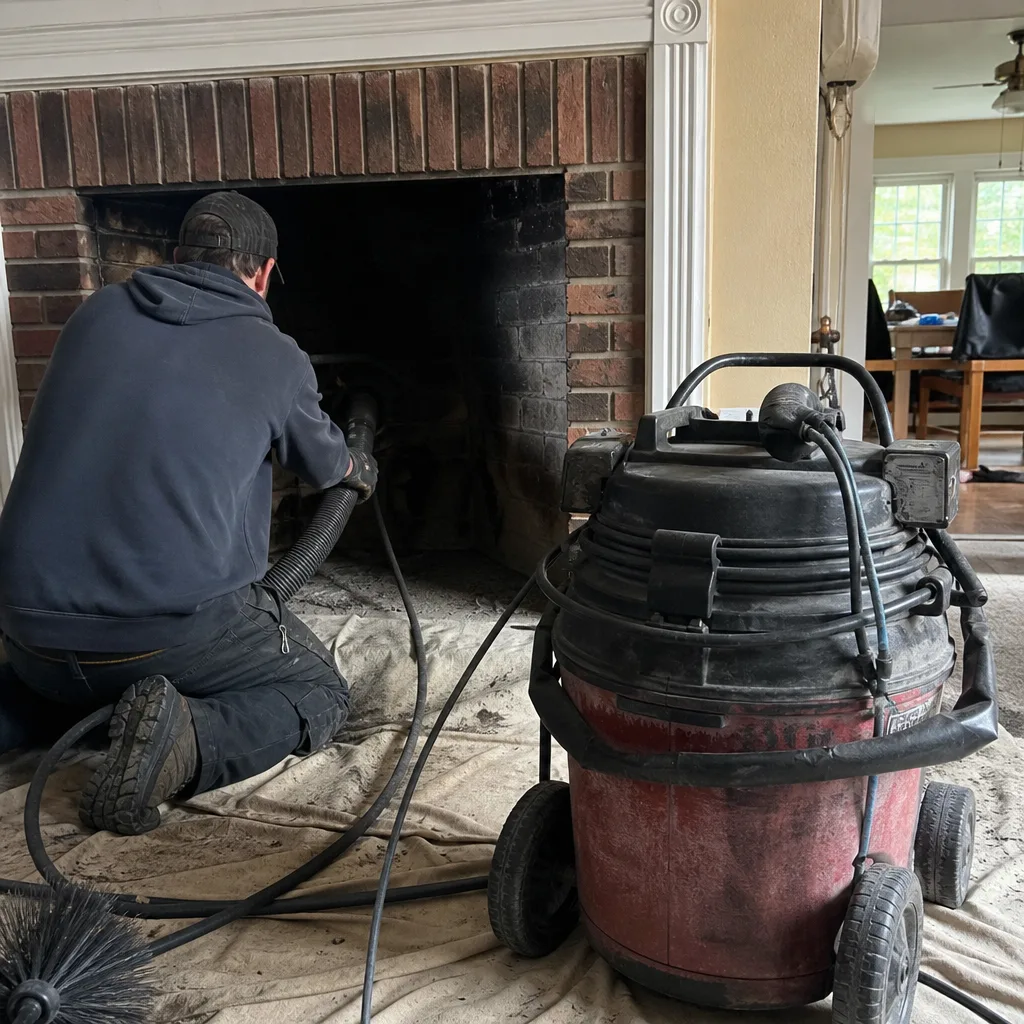 Before
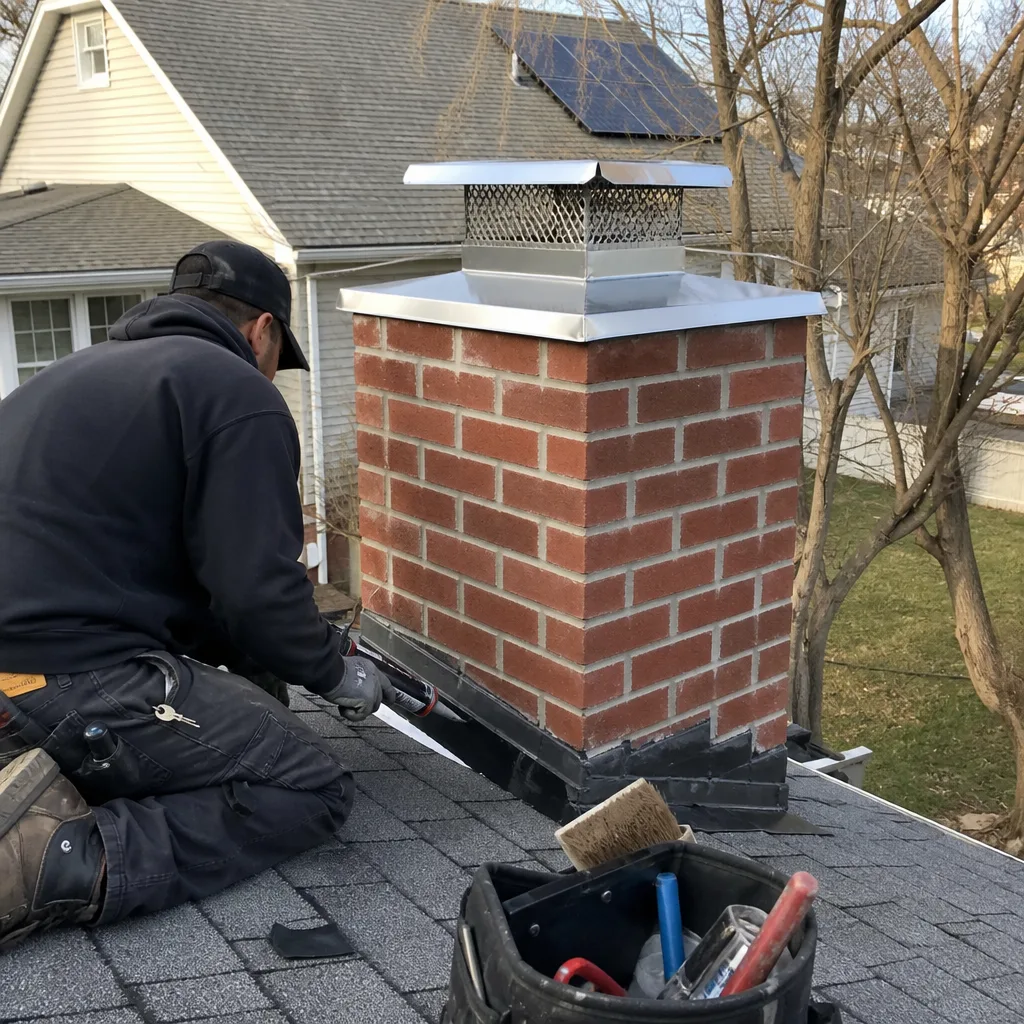 After
After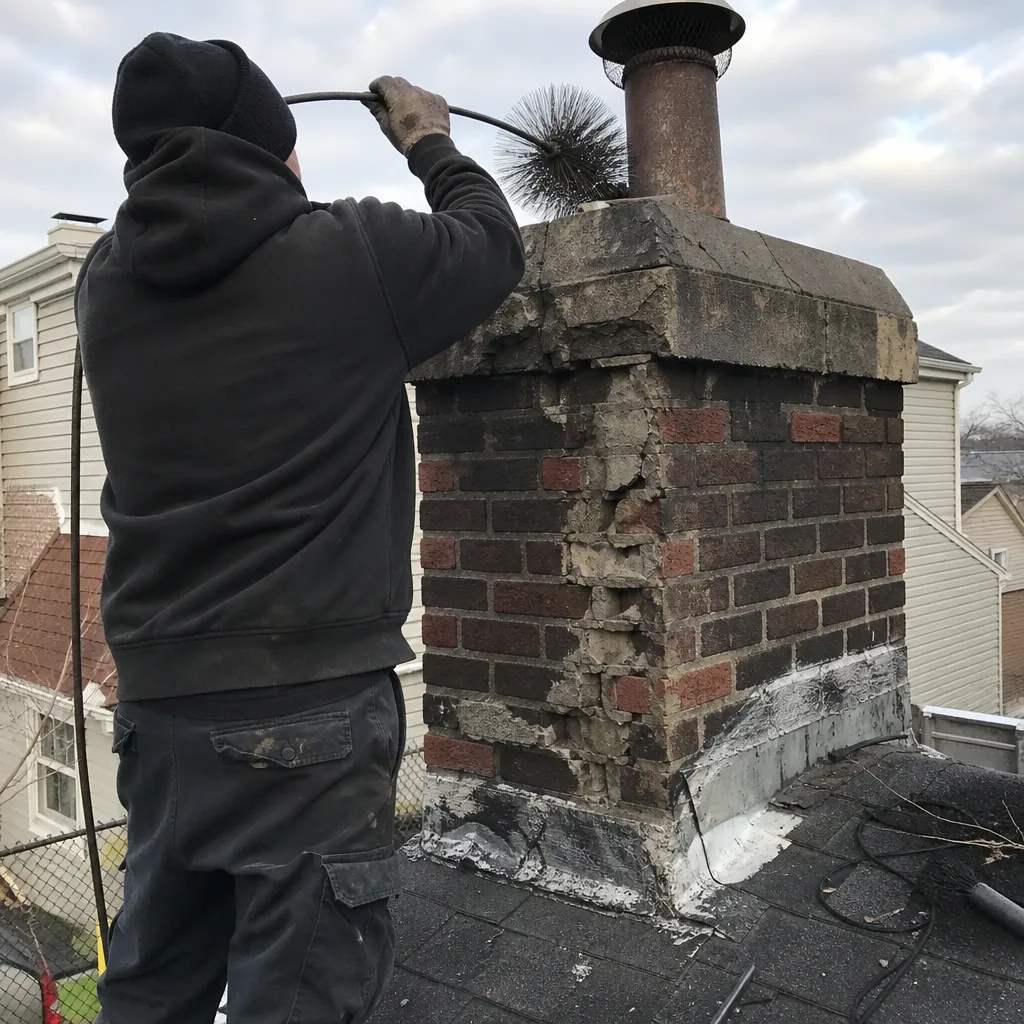 Before
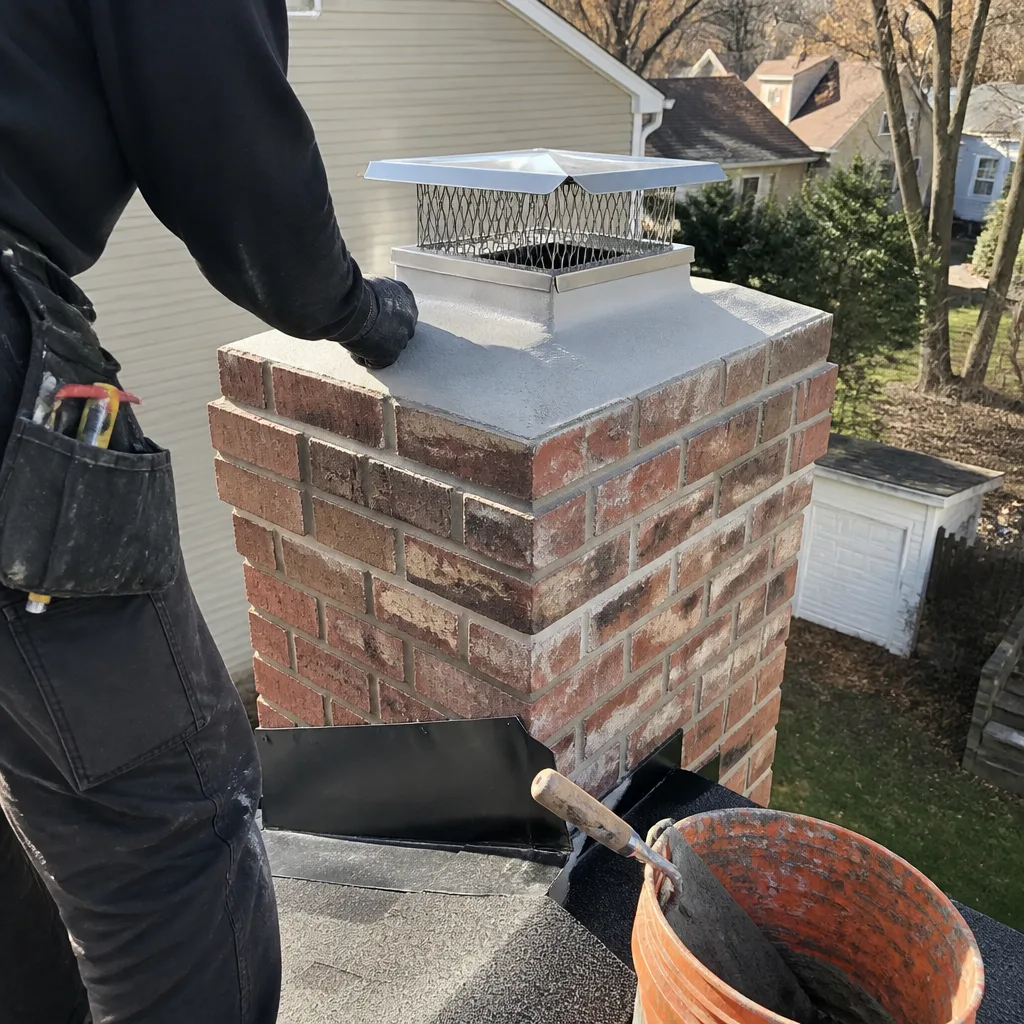 After
AfterMortar Repointing in Camden, NJ
Mortar repointing in Camden, NJ typically costs between $400 and $1,800 depending on how much of the chimney’s masonry needs attention – most single-story chimneys with moderate joint erosion fall somewhere in the $500 to $900 range. The work is completed in a single visit for most jobs, and every quote from Level Two Chimney Camden is written down before anyone touches a brick. Call us at (856) 741-9572 to schedule a free estimate.
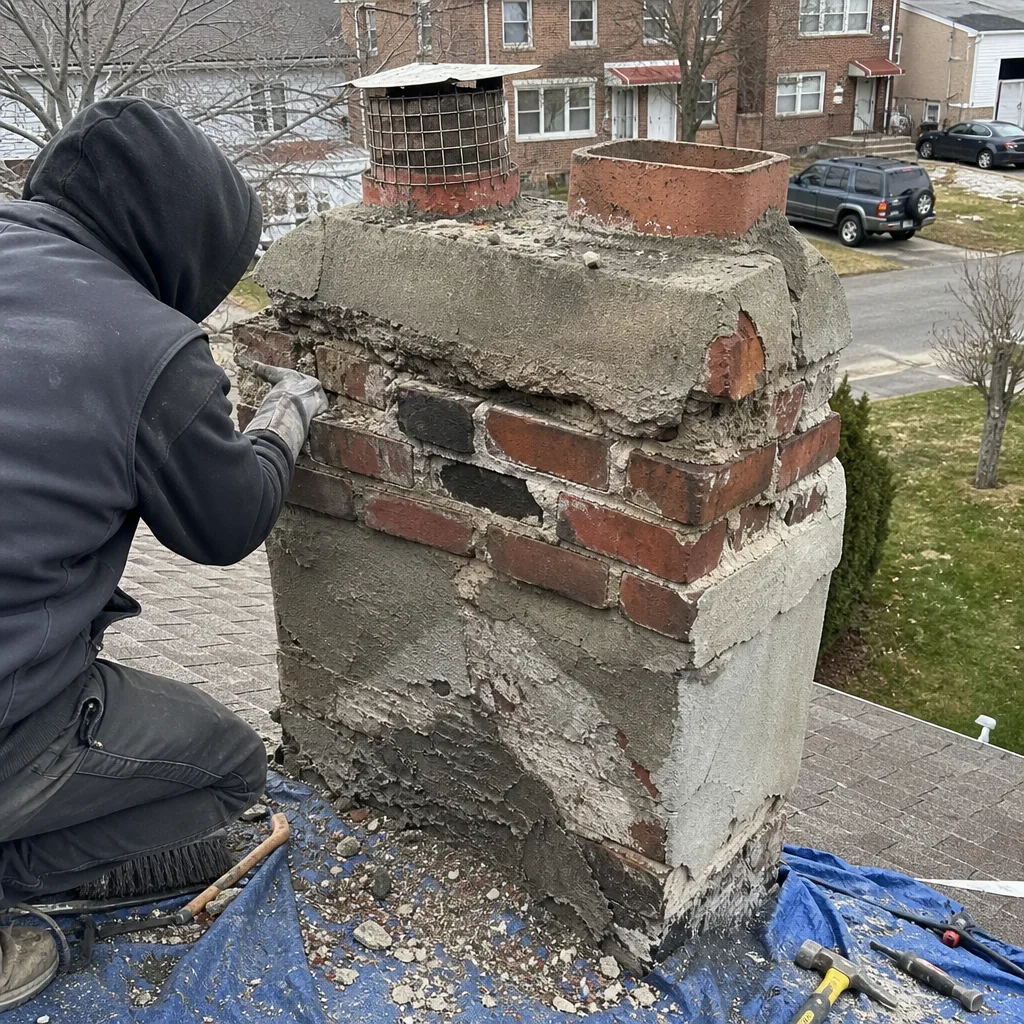
Mortar repointing – sometimes called tuck-pointing – is the process of removing deteriorated mortar from the joints between your chimney’s bricks and packing in fresh mortar that bonds cleanly to the existing masonry. It’s one of the more overlooked parts of Chimney Repair in Camden, mostly because the damage starts quietly. A joint that looks like a hairline crack from the ground can already be half an inch deep, open to water, and softening the brick face behind it.
Camden’s climate accelerates this. The city sits along the Delaware River, which keeps humidity high for most of the year. Winters here cycle above and below freezing repeatedly – that freeze-thaw action is what masonry engineers call the primary driver of joint erosion, and in Camden it happens dozens of times each heating season. Add in the salt air that pushes inland from the Delaware estuary and the urban heat differential that bakes south-facing chimney faces in summer, and Camden mortar tends to age faster than the same chimney would in a more inland market.
Corrine Halstead has led Level Two Chimney Camden under the Haven Standard since 2009, and the approach here is built on documentation first. We run a camera scan of the flue under NFPA 211 Level 2 protocol before repointing so we know the full condition of the masonry, including what you can’t see from the roof. The written price and scope land in writing before the tech picks up a grinder. That’s Haven Standard Clause 1 – not a policy we adopted recently, but the way this company has operated from day one.
When You Need Mortar Repointing
- Joints that are recessed more than a quarter inch. Run a key or a fingernail along the horizontal joints at or above the roofline. If it sinks deeper than about a quarter inch, water is already getting in. In Camden’s older rowhouse stock – particularly in Parkside and Cramer Hill – we see joints eroded to half an inch or more on chimneys that have never been touched since original construction.
- White staining (efflorescence) on the brick face. Efflorescence is dissolved salt carried out of the masonry by water moving through failing joints. On its own it’s cosmetic, but it’s a reliable sign that water has a path in. We see a lot of it on north-facing chimney faces in Pennsauken-adjacent neighborhoods where shade keeps the masonry damp longer after rain.
- Spalling brick faces. Spalling is when the face of a brick pops off in flakes or chunks – usually because water entered through an open joint, froze inside the brick, and expanded. Once spalling starts, repointing the joints stops the moisture source but the damaged bricks need to be evaluated separately. We document both conditions in the photo record so nothing is missed.
- Mortar that crumbles when you press it. Healthy mortar is hard. If you can crumble it between two fingers or it flakes off when you brush it, it’s lost its compressive strength and is no longer doing its job of holding the masonry together or shedding water away from the joints.
- Interior water stains near the firebox or on the ceiling above the fireplace. Water that enters through open chimney joints doesn’t always show itself on the exterior first. In Camden’s older two-story homes, we regularly find water damage on second-floor ceilings or inside the smoke chamber before the homeowner notices anything on the chimney exterior.
- A chimney that hasn’t been inspected in more than five years. If you bought a home in Camden between 2015 and 2025 and the inspection report didn’t include a camera scan of the flue, you may not know the actual condition of the joints above the roofline. A Level 2 inspection puts that on record.
Our Mortar Repointing Process
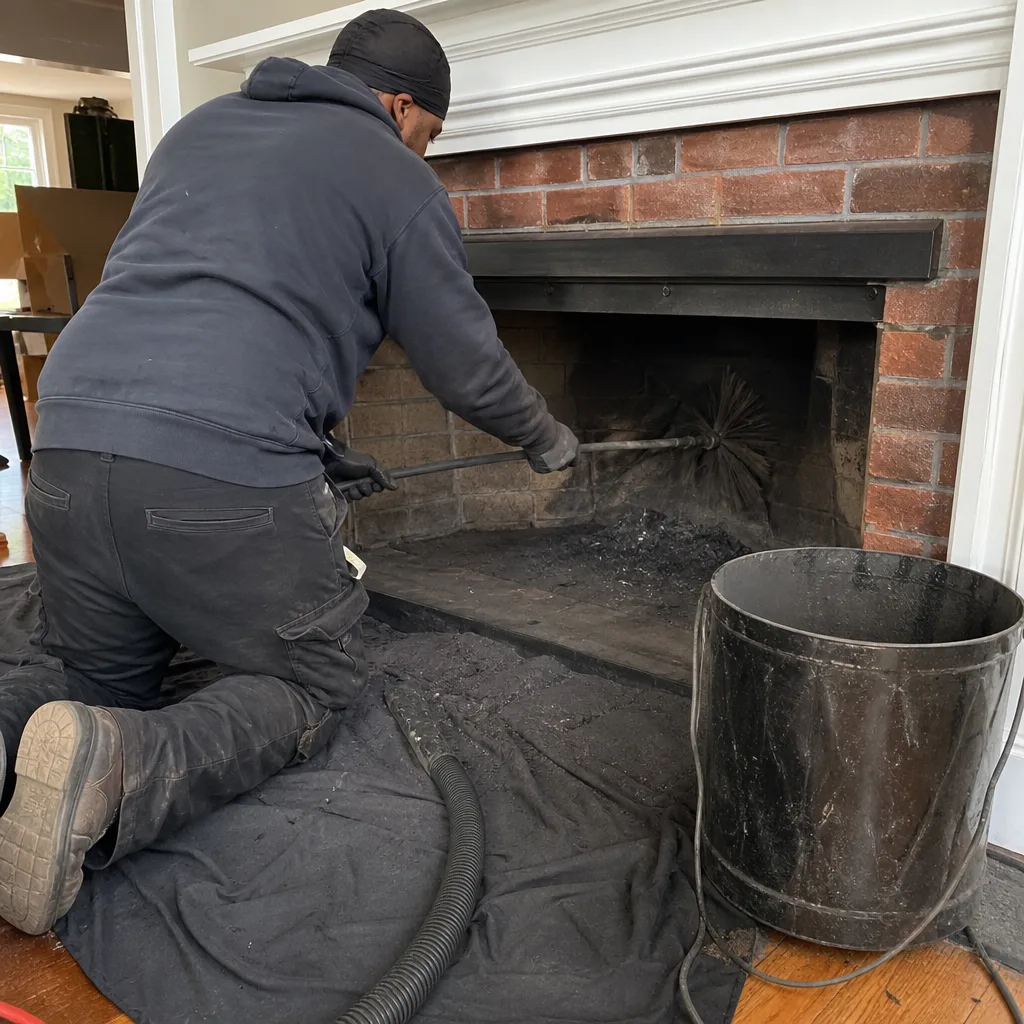
- Level 2 camera inspection before anything else. We run a video camera down the flue under NFPA 211 Level 2 protocol. This tells us the full condition of the liner, smoke chamber, and accessible joint faces – not just what’s visible from the roof. We find things in this step that change the scope of the job: cracks behind the exterior face, liner damage that needs to be addressed before sealing the exterior, or areas where the mortar looks intact but has lost adhesion. Every image becomes part of the documented photo record that leaves with you when the job is done.
- Written scope and written price before work starts. After the inspection, we write down exactly what we found, what we’re going to do about it, and what it costs. You get a written price and a written warranty before anyone starts grinding. If you’ve already received a written estimate from another company, we’ll give you a free second opinion on it – no strings attached.
- Joint preparation – mechanical removal of failing mortar. We use an angle grinder with a diamond-tipped blade to cut out the deteriorated mortar to a consistent depth, typically three-quarters of an inch to one inch. Hand chisels are used near vulnerable brick edges where a grinder would risk damaging the brick face. All debris is contained and cleared from the roof, gutters, and surrounding surfaces before we move to the next step. This preparation step is what separates a repointing job that holds for fifteen or twenty years from one that fails in three.
- Mix selection matched to the existing masonry. Not all mortar is interchangeable. Pre-1950s Camden masonry – common in neighborhoods like North Camden and along the older residential blocks near the waterfront – typically used a softer lime-based mortar. Packing a hard Portland cement mix into those joints causes the mortar to outperform the brick in rigidity, which pushes stress into the brick face and accelerates spalling. We match the new mortar’s composition and compressive strength to what the masonry was originally built with, and we match the color as closely as the existing weathered joints allow.
- Application and tooling. Fresh mortar is packed into the prepared joints in layers when the depth requires it, worked fully into the joint, and tooled to match the original joint profile – typically a concave or weathered finish that sheds water away from the brick face rather than holding it. Tooling happens at the right moisture stage; working mortar that’s too wet or too dry produces a weak bond. We monitor ambient temperature and humidity, particularly relevant in Camden’s variable spring and fall seasons, and we don’t repoint in temperatures below 40 degrees Fahrenheit.
- Final inspection, photo documentation, and cleanup. We photograph the completed joints, the surrounding masonry, and any areas of concern flagged during the Level 2 inspection. The full photo record is compiled under Haven Standard Clause 4 and goes to you along with the written warranty. The job site – roof, gutters, any staging area – is left clean. The 365-Day Done Right Promise applies: if anything isn’t right, we come back and make it right.
 Before
 After
AfterMortar Repointing Pricing in Camden
Mortar repointing in Camden runs $400 to $1,800 for most residential chimneys. Here’s what drives that range:
| Scope | Typical Price Range |
|---|---|
| Minor repointing – small section at crown or cap base, fewer than 20 linear feet of joints | $400 – $600 |
| Moderate repointing – one or two exposed faces above roofline, 20-60 linear feet | $600 – $1,100 |
| Full repointing – all four faces, full chimney height including below roofline | $1,100 – $1,800 |
| Full repointing plus spalled brick replacement (per brick) | Add $35 – $75 per brick |
Several factors affect where a Camden job lands in that range:
- Chimney height and roof pitch. A steep-pitched roof common in older Victorian-era Camden homes adds staging time and, for taller chimneys, may require additional fall-protection equipment. That affects labor cost.
- Depth of joint erosion. Joints eroded to half an inch or more require more grinding time and more mortar material than joints that caught early. We note the measured depth in the written scope.
- Mortar type compatibility. Matching a period-appropriate lime mortar for a pre-war Camden rowhouse takes more time in the mixing stage than a standard Portland application, and the materials cost slightly more.
- Combined work. If the inspection also shows crown damage, cap replacement, or liner issues, those are scoped and priced separately in writing. We don’t bundle them in a way that obscures what each element costs.
Every estimate is written down and delivered before any work starts. Call (856) 741-9572 to schedule a free estimate – Corrine Halstead’s team will give you an exact number based on what the camera and the inspector actually find, not a ballpark over the phone.
FAQs – Mortar Repointing
How long does repointed mortar last in Camden’s climate?
Properly matched and applied mortar repointing lasts 15 to 25 years in Camden’s freeze-thaw climate. The range depends heavily on the mortar’s compatibility with the existing masonry, the depth of joint preparation, and whether the chimney cap and crown are intact to limit water intrusion at the top. A softer lime-blend mortar applied correctly to a pre-war Camden rowhouse chimney will outlast a harder Portland mix that wasn’t matched to the brick. We document the mortar specification used in your photo record so there’s a reference point if the chimney is inspected again in ten years. Call (856) 741-9572 for a free estimate and a written scope that specifies exactly what mix we’ll use on your chimney.
Can I repoint just part of the chimney, or does the whole thing need to be done at once?
Partial repointing is completely valid when only a section of the chimney shows active deterioration. We scope and price by the area that actually needs attention – not the whole chimney by default. That said, the Level 2 camera inspection sometimes reveals joint erosion on a face that looks fine from the roof, so the written scope reflects what the inspection actually found rather than what the first visual suggested. If you’re budgeting in phases, we can document current conditions on the lower-priority areas so you have a baseline for the next visit. Call (856) 741-9572 and we’ll give you a written breakdown of exactly which sections need work now and which can wait.
Is mortar repointing the same as tuck-pointing?
The terms are used interchangeably by most homeowners and many contractors, but there’s a technical difference. True tuck-pointing is a two-color finish technique where a thin ribbon of contrasting mortar is applied over a base mortar to create the appearance of very fine, precise joints – it’s decorative as well as functional. Repointing is the broader term for removing deteriorated mortar and replacing it with new mortar matched to the existing profile. In Camden, almost all residential chimney work is repointing. When a contractor quotes you “tuck-pointing” for our Chimney Repair services, confirm that it includes mechanical removal of the old mortar to proper depth – if they’re only applying new mortar over the top of deteriorated joints without cutting out the old material, it will fail within a few seasons.
What happens if I don’t repoint and just leave the open joints?
Open or severely eroded mortar joints let water directly into the chimney’s masonry core. In Camden’s winters, that water freezes, expands, and breaks the brick face from the inside – a process called Spalling Brick Repair that turns a repointing job into a partial or full rebuild. Water that gets deep enough also reaches the flue liner, the smoke chamber, and eventually the framing of the house. A Camden chimney repointing job in the $600 to $900 range, left unaddressed for two or three additional freeze-thaw seasons, can become a $4,000 to $8,000 structural repair. The Level 2 inspection documents current joint condition with photos so you have a clear record of what the masonry looked like before damage progressed. Call (856) 741-9572 – the estimate and the camera scan findings are documented and yours to keep regardless of whether you proceed with the work.
Key Takeaways
- Mortar repointing in Camden costs $400 to $1,800 for most residential chimneys, with the written price delivered before any work starts – Haven Standard Clause 1.
- Camden’s Delaware River humidity and repeated winter freeze-thaw cycles erode mortar joints faster than more inland markets. Catching deterioration early keeps costs down significantly.
- Every repointing job starts with a Level 2 camera inspection so the full scope is documented, not estimated from the roof.
- Mortar mix must be matched to the existing masonry – packing hard Portland cement into a pre-war lime-mortar chimney accelerates brick damage rather than preventing it.
- The 365-Day Done Right Promise and a documented photo record are standard on every job, not add-ons.
- A free second opinion on any written estimate is always available – bring us a competitor’s quote.
Level Two Chimney Camden serves the full home chimney needs of Camden residents, from inspection and sweep through full masonry repair. If your chimney has open joints, white staining, or hasn’t had a camera inspection in the past five years, call (856) 741-9572. Corrine Halstead’s team will schedule your free estimate, show you what the camera finds, and hand you a written price before anyone starts work. Live phone support runs 24 hours a day, 7 days a week – a real person answers, not a voicemail.
Written by Corrine Halstead, Owner at Level Two Chimney Camden, serving Camden.