
Last updated September 21, 2026
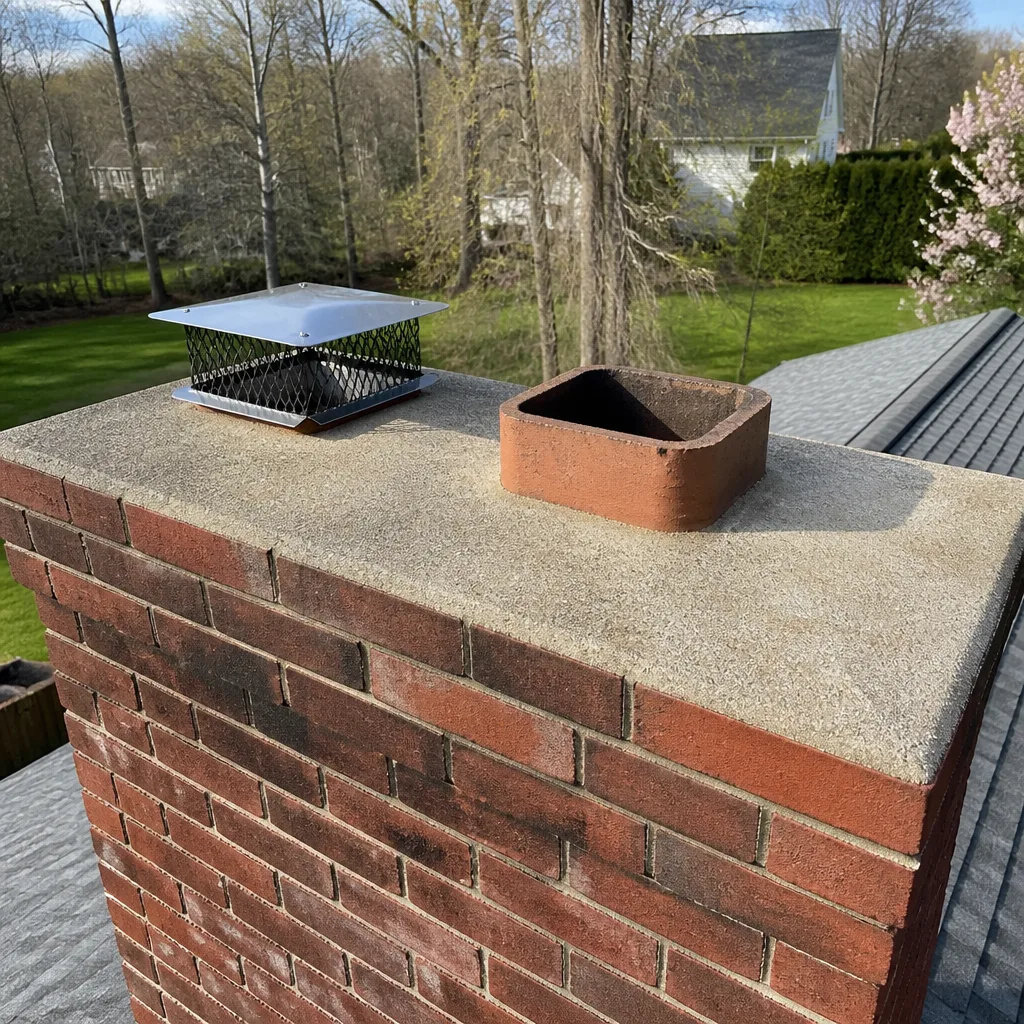
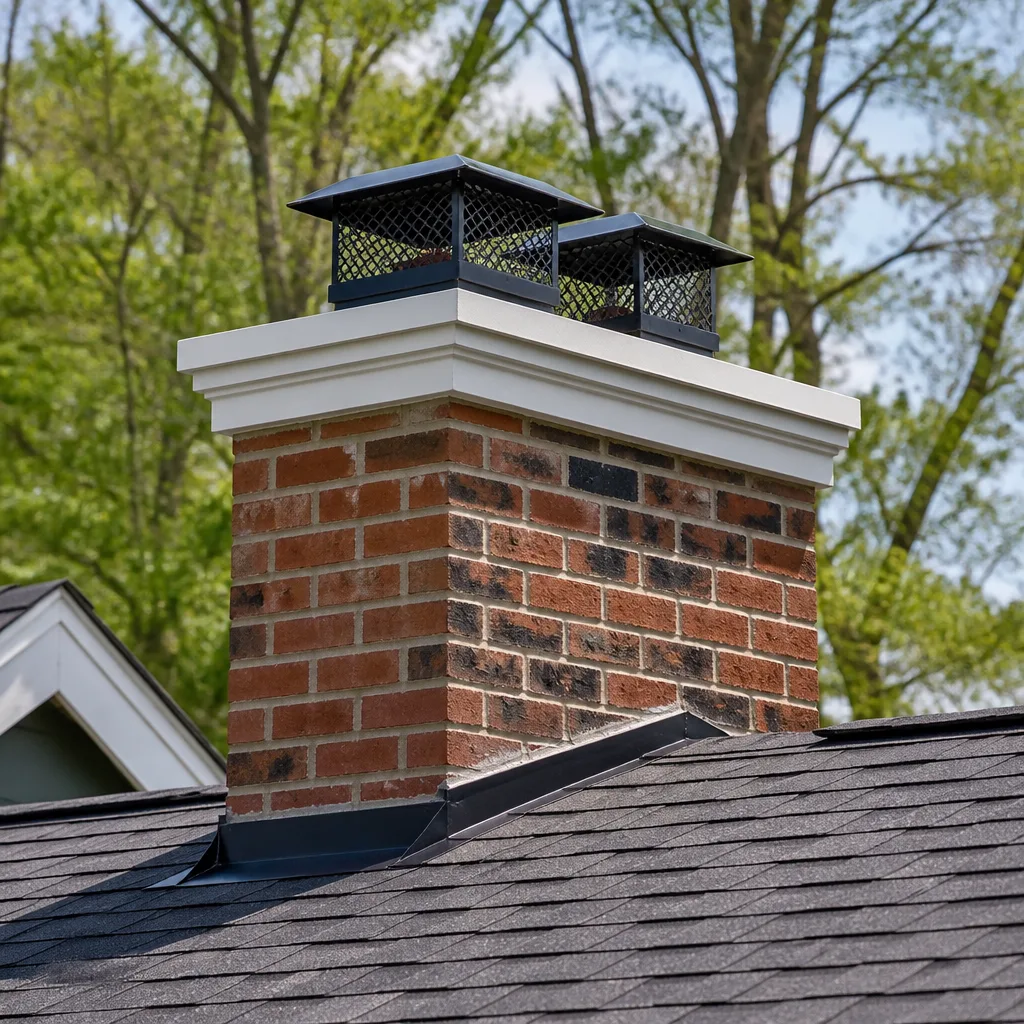
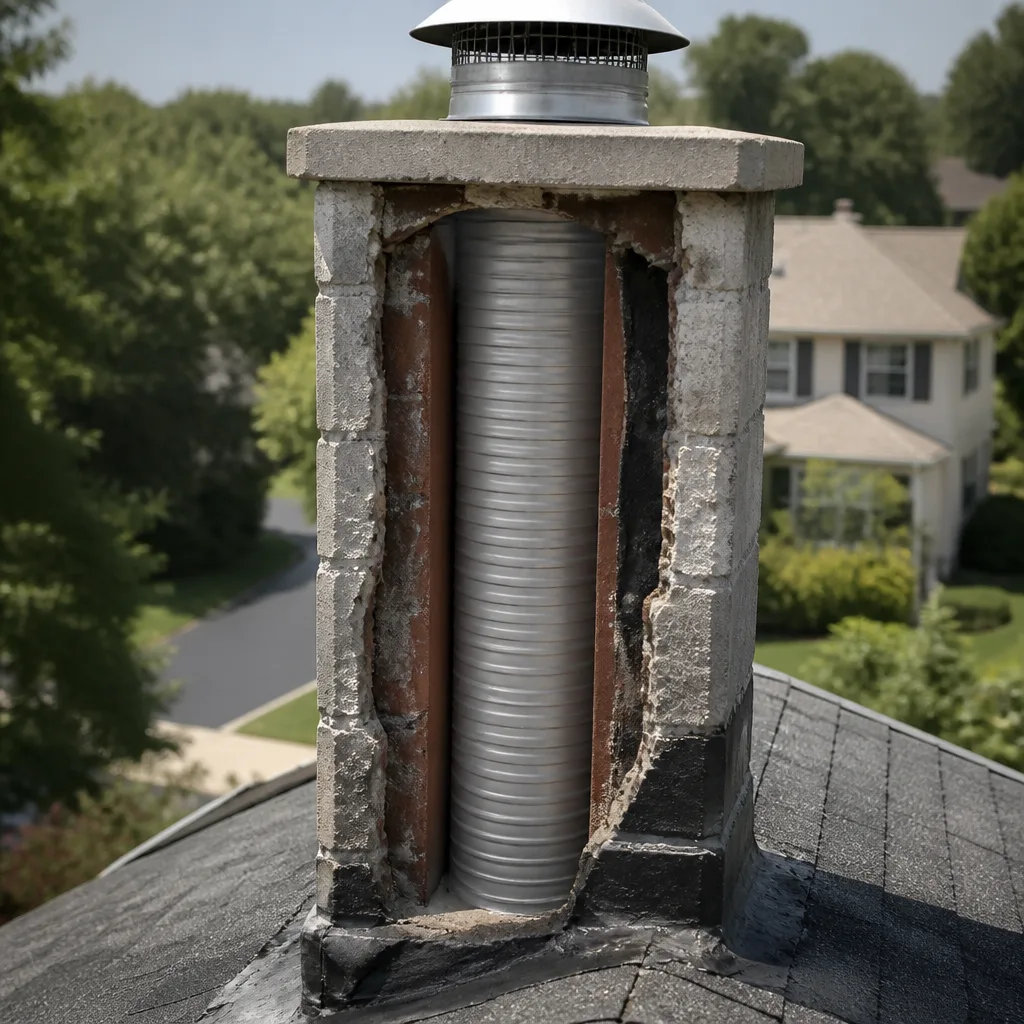
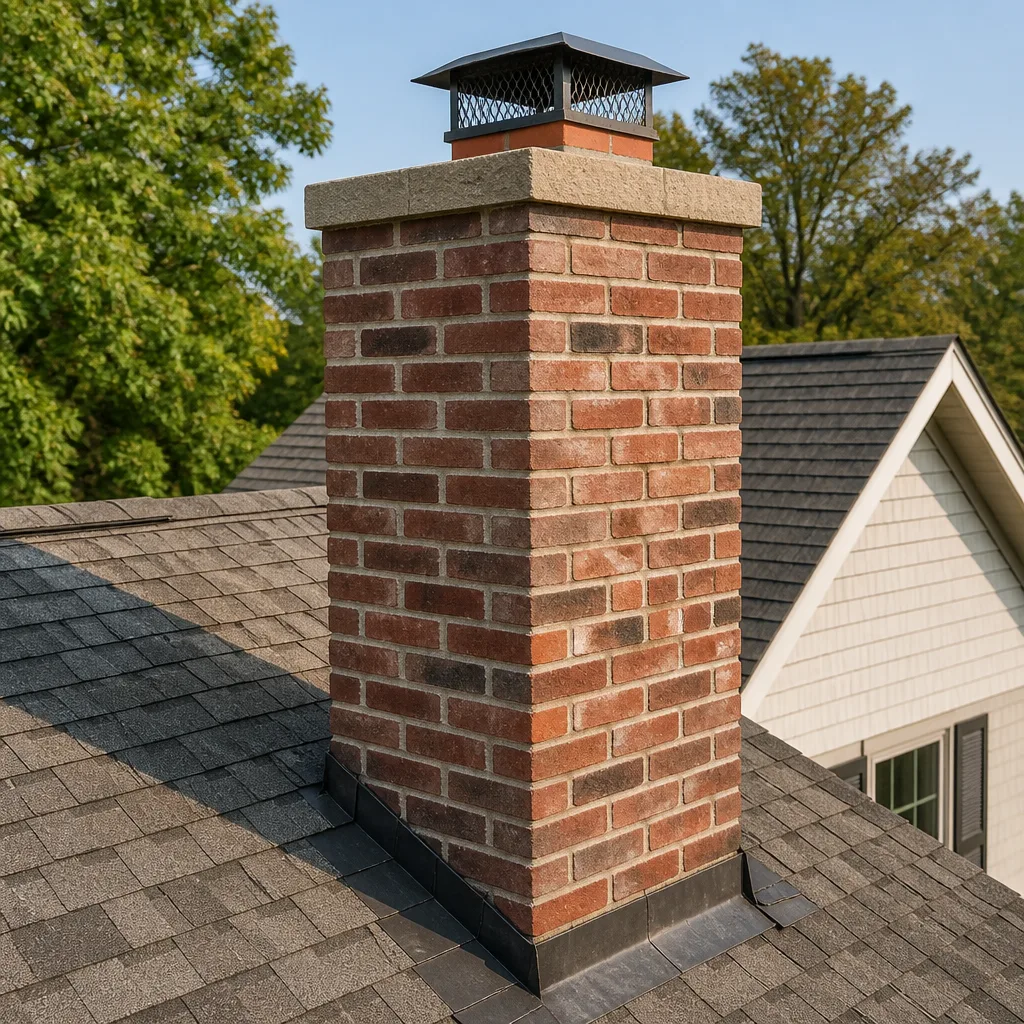
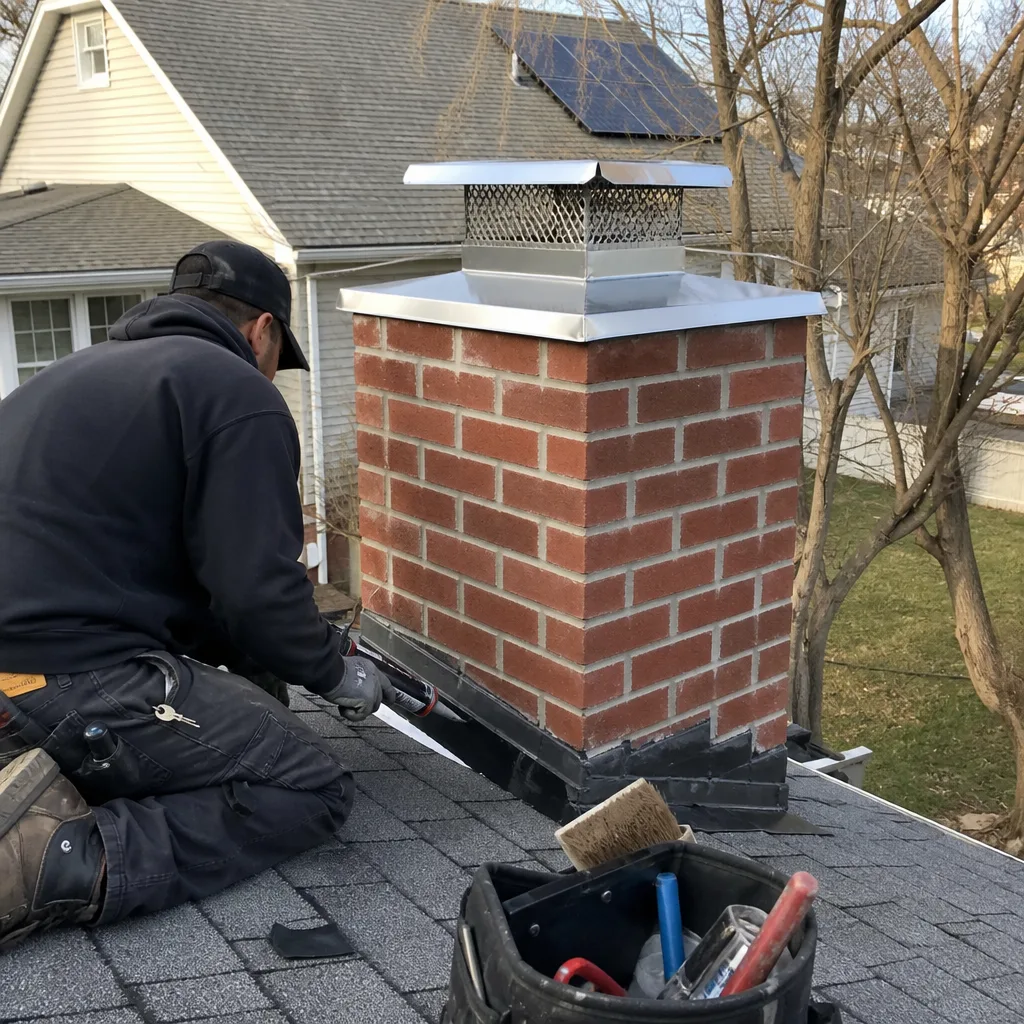
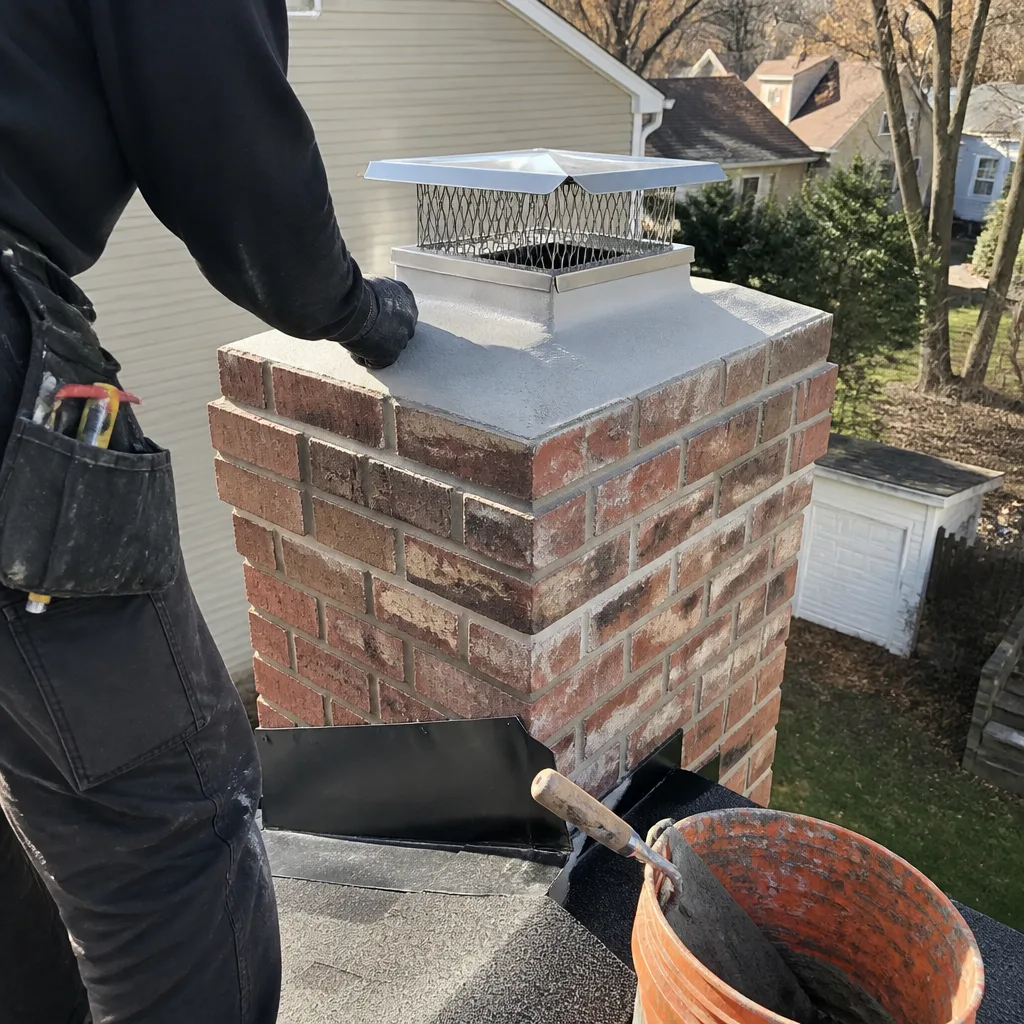
Level 1 sweep and inspection to the NFPA 211 annual standard - flue, crown, cap, and flashing checked and photographed
Chimney sweep logs do not sweep chimneys. They loosen some creosote - which then falls where a brush and vacuum still have to collect it.
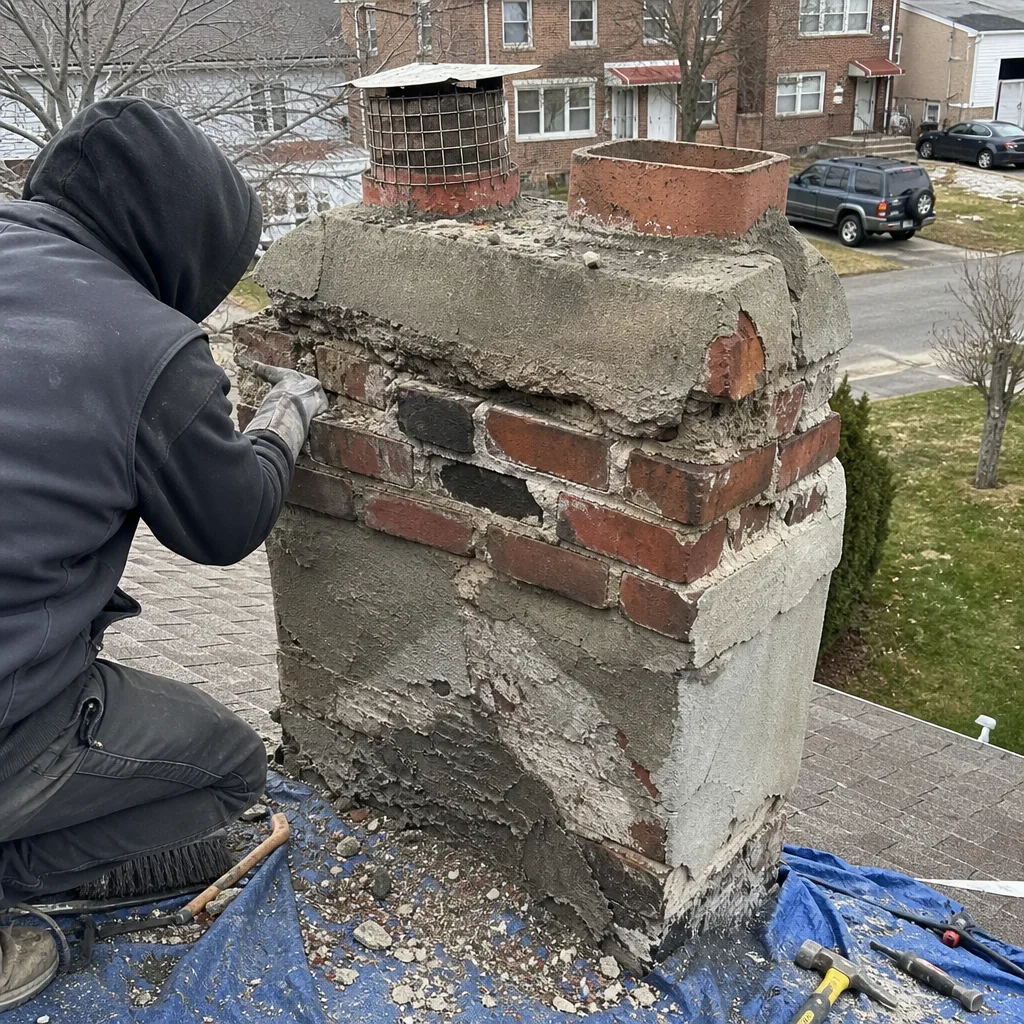 Before
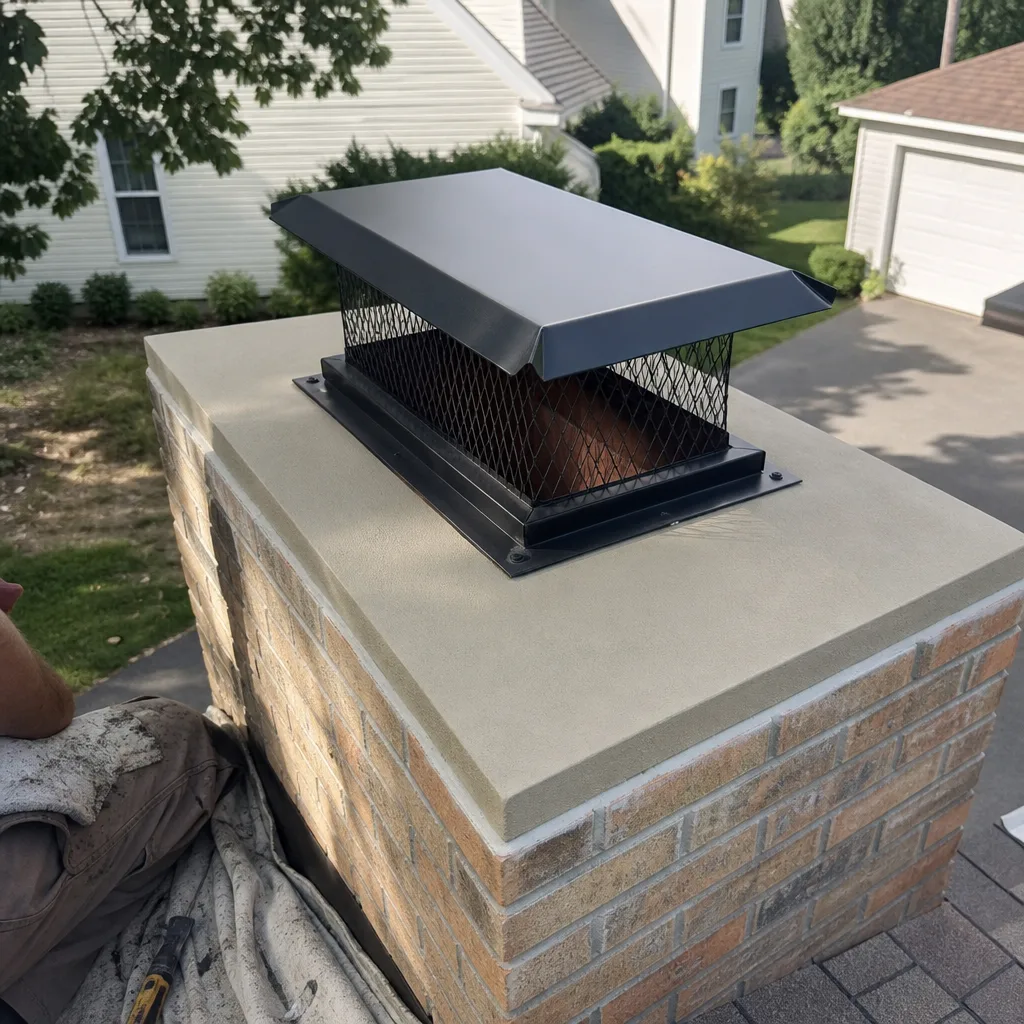 After
After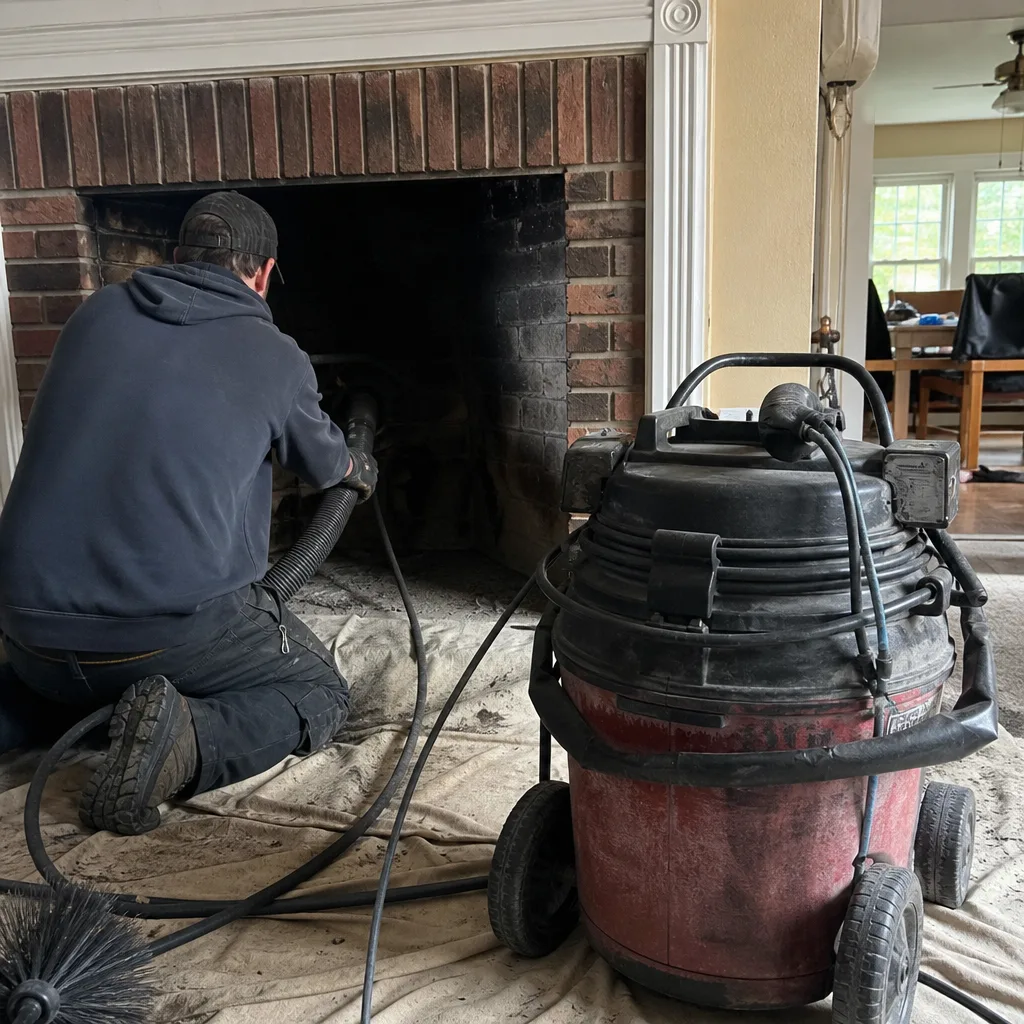 Before
 After
After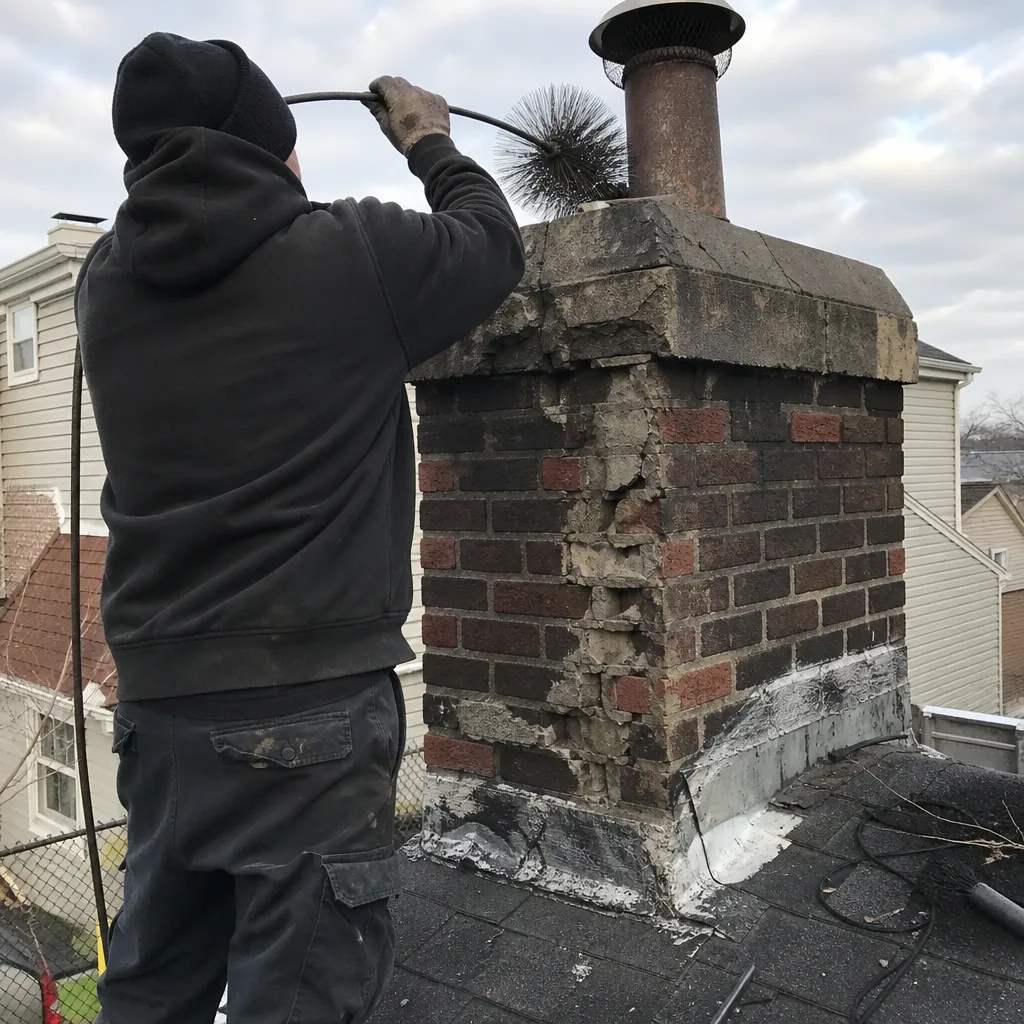 Before
 After
AfterChimney Cleaning Cost Breakdown: The Camden Homeowner’s Reference for 2026
The $79 chimney cleaning special exists to get a technician into your house. What happens after the flashlight comes out determines the real invoice, and it rarely ends at $79. In Camden’s row-home neighborhoods from Cramer Hill to Parkside, we’ve seen homeowners pay $180 for a thorough, documented sweep and others pay $600 after a low-ball opener turned into a multi-hour upsell presentation. This guide itemizes what each price tier actually includes, what it deliberately excludes, and how to read a chimney cleaning quote in Camden like the inspector you’ll wish you’d hired first. For related reading, see our Chimney Cleaning Warning Signs: A Camden Homeowner’s Reference Guide.
Quick Answer
A properly scoped chimney cleaning in Camden, New Jersey in 2026 costs between $180 and $340 for a single-flue system with standard Class I or II creosote. That price includes a Level 2 camera inspection, brush cleaning matched to your liner type, HEPA containment, and a written photo report. The $79-$99 specials typically cover a brush pass and flashlight glance only, with camera documentation and written scope treated as add-ons.
Table of Contents
- What a Proper Chimney Cleaning Includes (and What It Costs in Camden)
- The $79 Trap: How Low-Ball Quotes Actually Work
- Camden Housing Variables That Change Your Price
- When Legitimate Add-Ons Apply (and What They Cost)
- How to Compare Quotes: The Written Scope Method
- What Documentation You Should Receive
- How Often Camden Homeowners Actually Need Sweeps
- Common Mistakes to Avoid
- When to Call a Professional
- Frequently Asked Questions
- The Bottom Line
 Before
 After
AfterWhat a Proper Chimney Cleaning Includes (and What It Costs in Camden)
A chimney cleaning is not a commodity. The service has a defined scope under NFPA 211, and in Camden’s market, that scope breaks into six line items with approximate 2026 pricing for each. See our Chimney Cleaning & Sweep Maintenance Checklist for Camden Homeowners for a printable version.
| Line Item | What It Covers | Camden 2026 Price Range |
|---|---|---|
| Access Inspection | Exterior crown, cap, flashing, and interior firebox visual assessment | $35-$55 |
| Camera Scan (Level 2) | Video documentation of flue liner condition from firebox to crown | $65-$95 |
| Brush Cleaning by Liner Type | Poly or wire brushes sized to clay tile, stainless, or cast-in-place liner | $55-$85 |
| HEPA Vacuum & Containment | Negative-pressure soot containment, floor protection, debris removal | $25-$40 |
| Written Photo Report | Dated images, condition notes, recommendations with priority ranking | $30-$45 |
| Service Call / Trip Charge | Travel, technician time, vehicle/equipment overhead | $35-$50 |
The total lands at $245-$370 for a single-flue system when booked as a complete service. Most Camden homeowners with standard wood-burning fireplaces see quotes clustered between $180 and $340, with the variance driven by liner accessibility and creosote class.
Here’s what each line item actually does:
- Access Inspection: Before any brush touches the flue, the technician examines the crown for spalling (surface flaking that exposes masonry to freeze-thaw damage), checks cap mesh for corrosion, and notes any flashing gaps where Camden’s driving rains enter. This takes 10-15 minutes and prevents the all-too-common scenario of cleaning a flue that’s structurally compromised.
- Camera Scan: A self-leveling camera head travels the full flue length, recording liner joints, mortar condition, and any obstructions. In Camden’s pre-war housing stock, we regularly find displaced clay tiles in homes built before 1940, and the camera catches what a flashlight held at arm’s length cannot. Clause 4 of the Haven Standard requires this documentation on every job.
- Brush Cleaning by Liner Type: Clay tile liners take poly brushes; stainless steel inserts require wire brushes sized to the manufacturer specification. Using the wrong brush scores stainless or fails to dislodge buildup from clay. We source brushes through our Haven buying network from Olympia Chimney and Copperfield to match the liner we documented.
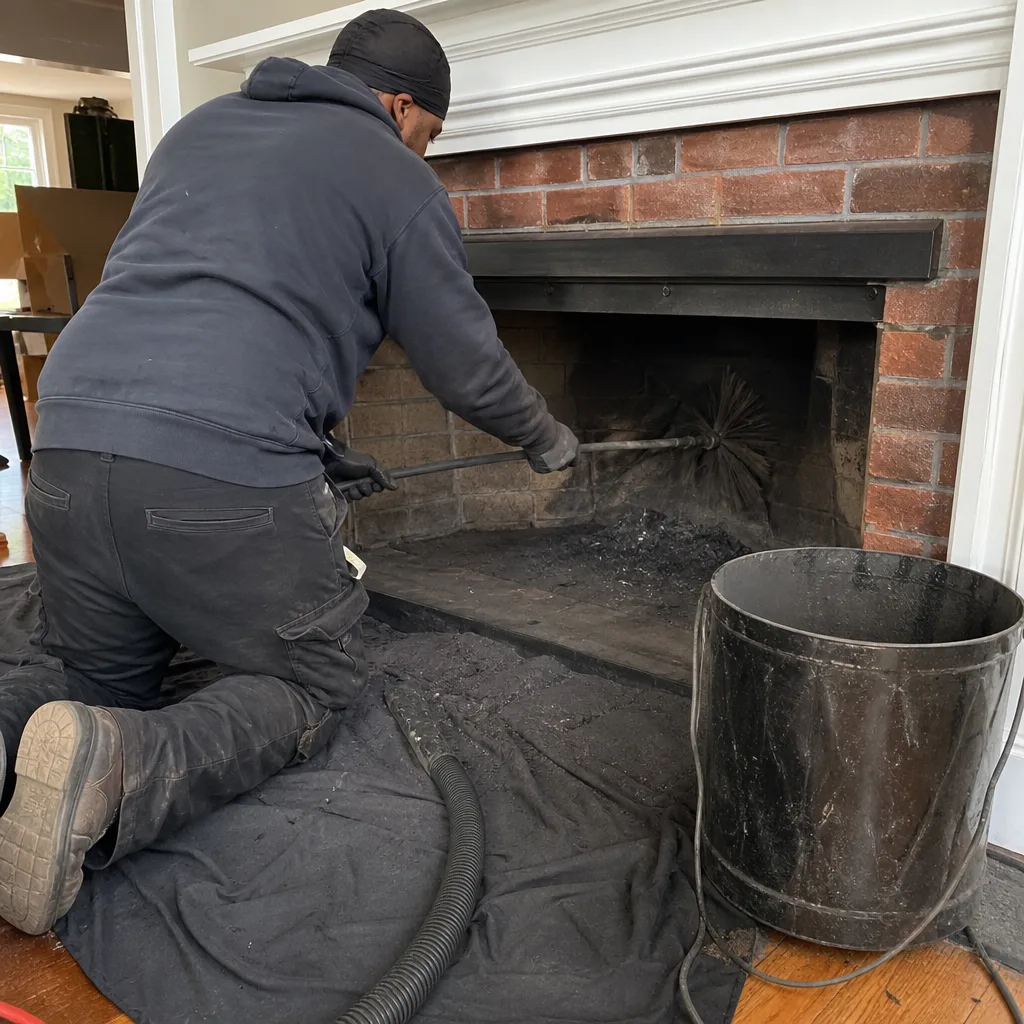
- HEPA Vacuum & Containment: Chimney soot is respirable particulate. A shop vacuum without HEPA filtration recirculates it through your living space. Proper containment runs a negative-pressure hose from the firebox to exterior collection.
- Written Photo Report: You receive dated images, a condition summary, and any recommendations ranked by urgency. This is your documentation for insurance, home sale, or next year’s comparison. Not a verbal summary. Not a checkbox form. A report.
- Service Call: Camden’s density helps here. Our technicians cover Cramer Hill, Parkside, Centerville, and the Waterfront without the mileage surcharges common in rural South Jersey markets.
At Level Two Chimney Camden, we quote the full scope in writing before arrival. The price you approve is the price on the invoice. No component is treated as an optional add-on after the technician is in your home.
The $79 Trap: How Low-Ball Quotes Actually Work
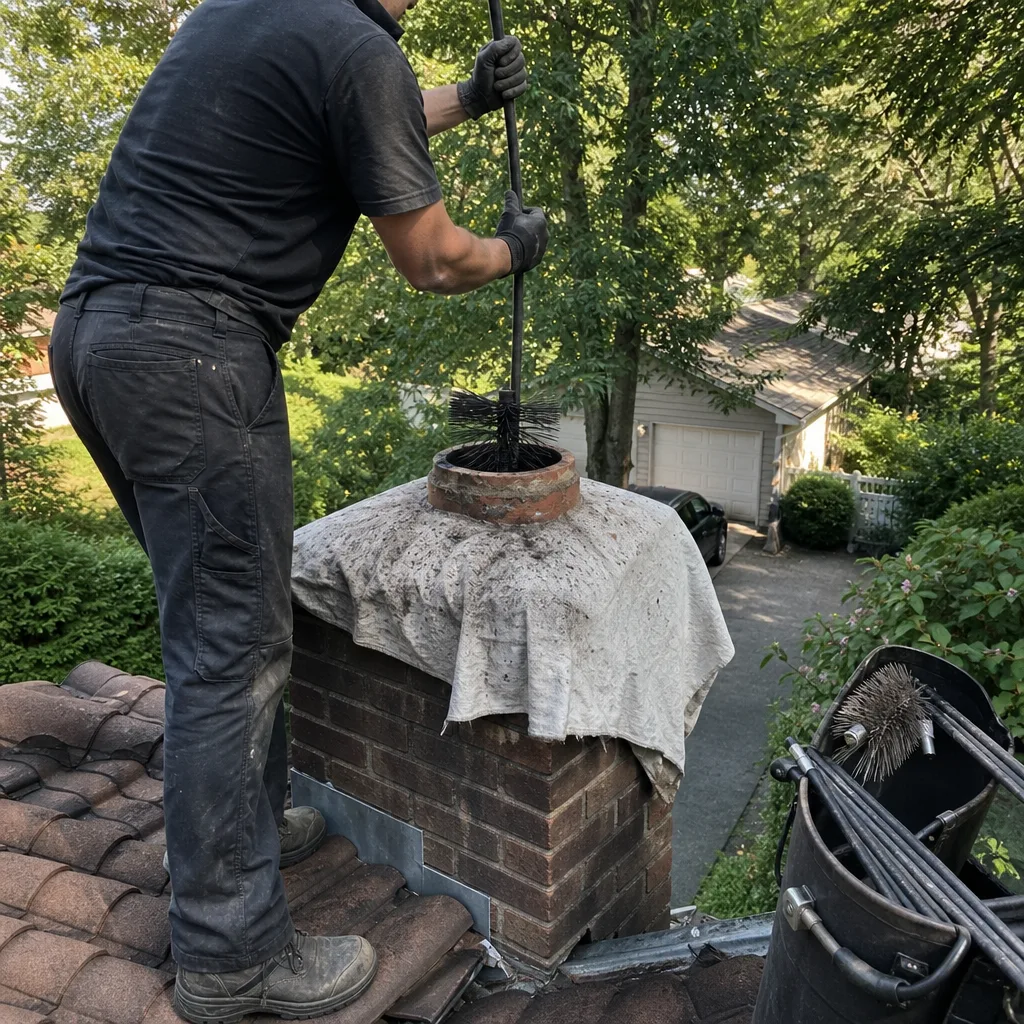
The $79 chimney cleaning special is a customer acquisition cost, not a service price. The business model works like this: the headline price covers a technician with a brush and a flashlight, sent to your home with sales targets, not inspection standards.
Here’s what typically unfolds:
- The technician arrives and performs a 20-minute brush pass with no camera equipment.
- The “free inspection” that follows identifies $400-$1,200 in recommended work, often described as urgent safety concerns.
- The recommendations come with no written scope, no photos, and no priority ranking. Everything is urgent.
- Pressure to decide immediately, before the technician leaves, is common.
- The original $79 special is frequently invalidated if you decline the upsell, or it’s applied as a “credit” toward the larger invoice.
We’ve cleaned up after these visits in Camden homes where the “urgent” liner replacement was actually a single cracked tile at the top of the flue, repairable for $180. We’ve also found cases where a legitimate hazard was missed entirely because no camera went down the flue. The flashlight method cannot see past the smoke chamber in most Camden row homes with their offset flue designs.
The Haven Standard’s Clause 1 exists specifically to prevent this: written price, written scope, written warranty before work starts. Not after the technician is standing in your living room. When a company won’t put the full scope and price in writing before booking, the structure of the transaction is designed to change on site.
Three questions to ask any company quoting under $100:
- Is a Level 2 camera inspection included, and will I receive the video or still images?
- What exactly does the quoted price cover, and what would trigger additional charges?
- Will I receive a written report with dated photos, or only a verbal summary?
If the answer to any is unclear, the $79 is not a price. It’s a deposit on an unknown final bill.
Camden Housing Variables That Change Your Price
Camden’s housing stock creates specific cost variables that generic national pricing guides miss entirely. The city’s row-home density, age distribution, and heating fuel mix produce patterns we’ve documented across 38,000+ inspections.
Single-Flue vs. Multi-Flue Row Homes
Camden’s classic brick row homes, concentrated in Cramer Hill, Whitman Park, and the North Camden corridor, often share party walls with multiple flues serving separate units. A single-flue cleaning runs the standard $180-$340 range. Multi-flue systems, common in converted two-family homes, require separate brush sets, separate camera passes, and extended containment setup. Expect $140-$180 per additional flue when cleaned during the same visit, or $220-$280 if booked separately.
Clay Tile Liner vs. Stainless Insert
Pre-1960 Camden homes predominantly have unlined masonry or clay tile liners. Clay tile requires gentler poly brushing and careful camera navigation at mortar joints, which can offset. Post-1980 homes and those with prior liner replacements often have stainless steel inserts from DuraFlex or similar manufacturers. Stainless tolerates aggressive wire brushing and typically cleans faster, but the insert itself must be inspected for weld-seam corrosion, a specific failure mode we document with close-focus camera work.
Gas Insert vs. Wood-Burning Firebox
Camden’s Center City and Waterfront neighborhoods have seen significant gas insert installation as primary heating shifted away from wood. Gas inserts require different cleaning: ceramic fiber log removal, burner orifice inspection, and vented flue pass inspection for condensation staining. The service runs $150-$260, lower than wood-burning because creosote accumulation is minimal, but the technical work is specific and not interchangeable with wood-fire brushing.
Access Challenges
Some Camden row homes have been modified with finished basements that enclosed the cleanout door, or with rooftop decks that obstruct cap access. These don’t change the core price but may add $45-$85 for access restoration or specialized ladder setup. We note this in the written quote before arrival, not after discovering the obstacle.
Climate Factor: Camden’s Freeze-Thaw Cycle
Camden’s location on the Delaware River moderates temperatures slightly but produces wet, freeze-thaw winters that accelerate crown deterioration. We regularly find spalling crowns in homes within two blocks of the river, where wind-driven moisture saturates masonry that then freezes overnight. A cleaning visit in these homes often includes crown condition documentation that becomes relevant to spring repair planning. This doesn’t inflate the cleaning price, but it does make the camera inspection non-negotiable.
When Legitimate Add-Ons Apply (and What They Cost)
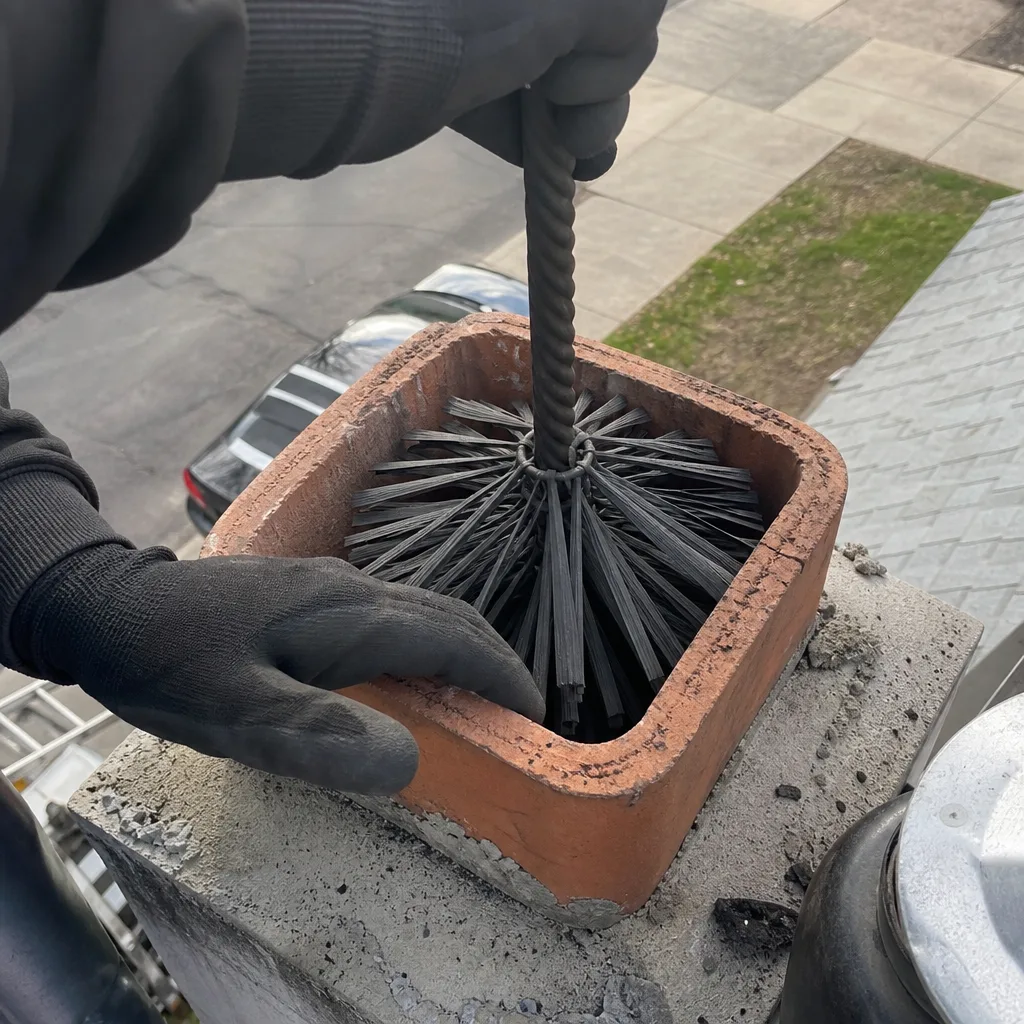
Not every additional charge is an upsell. Some conditions require intervention beyond standard brushing, and the difference between legitimate add-ons and pressure tactics is documentation.
Stage 3 (Class III) Creosote Requiring Chemical Treatment
Class III creosote, also called glazed creosote, forms when wood burns at low temperatures with inadequate airflow. It’s a hard, tar-like deposit that standard brushing won’t dislodge. In Camden, we see this most often in homes where homeowners burn unseasoned wood or damp down fires overnight for extended burn. Chemical treatment with a creosote-modifying agent, followed by a return visit for mechanical removal, adds $180-$280 to the base cleaning. The condition is camera-documented before treatment, and the return visit is scheduled, not pressured.
Deteriorated Clay Tile Requiring Liner Assessment
When camera inspection reveals cracked, spalled, or missing clay tiles, the flue is no longer structurally sound for combustion containment. We document the specific locations and severity, then quote liner assessment separately. A stainless steel liner from DuraFlex, properly sized and installed, runs $2,800-$4,500 in Camden’s market for a typical single-flue row home, including demolition of damaged tile and proper connection to the appliance. We never recommend liner replacement without camera evidence the homeowner can see, and we offer a Free Second Opinion on any written estimate from another company.
Missing or Deteriorated Cap
A missing cap invites water, animals, and debris into the flue. Standard replacement with a galvanized or stainless cap sized to your flue runs $145-$260 installed, including measurement and sourcing through our Haven buying network. Custom caps for multi-flue or odd-size applications run higher but are quoted specifically.
Smoke Chamber Parging
The smoke chamber, the area above the firebox that funnels smoke into the flue, often has corbelled brick that creates turbulence and creosote accumulation. In Camden’s older homes, we find unpargeed smoke chambers that contribute to poor draft and accelerated buildup. ChamberTech parging with a refractory mortar like HeatShield adds $450-$750 when performed during a cleaning visit, but it’s only recommended when camera inspection shows significant corbelling or gaps.
Crown Repair vs. Rebuild
Minor crown cracking can be sealed with flexible crown coat. Extensive spalling or structural cracking requires rebuild. Crown coat application runs $180-$320; rebuild runs $650-$1,200 depending on accessibility and dimensions. We separate these recommendations clearly in the written report with photo documentation of why each is appropriate.
The principle: every legitimate add-on is camera-documented, written with scope and price, and ranked by urgency. Some can wait a season. Some cannot. The report tells you which.
How to Compare Quotes: The Written Scope Method
The headline number on a chimney cleaning quote is nearly useless for comparison. The unit of comparison is the written scope: what exactly will be done, with what equipment, producing what documentation, under what warranty terms.
Here’s how two identical jobs get quoted differently, and why the lower headline number often costs more:
| Scope Element | Quote A: $189 | Quote B: $275 |
|---|---|---|
| Access Inspection | Flashlight visual | Systematic exterior and interior assessment |
| Flue Inspection | Not included; $95 extra | Level 2 camera scan included |
| Cleaning Method | Single brush pass | Brushes sized to liner type, multiple passes |
| Containment | Drop cloth | Negative-pressure HEPA system |
| Documentation | Verbal summary | Written photo report with dated images |
| Warranty | None stated | 365-Day Done Right Promise |
| Actual Comparable Price | $284 if camera added | $275 as quoted |
Quote A’s $189 is not a lower price. It’s an incomplete scope that becomes $284 for equivalent service, assuming the homeowner knows to ask for the camera inspection. Most don’t. The $189 company knows this.
Five elements to demand in any written scope:
- Inspection standard cited: NFPA 211 Level 1, 2, or 3. For any wood-burning system in regular use, Level 2 with camera is the appropriate standard.
- Equipment specified: Camera model or type, brush material, vacuum filtration level. Vague language (“professional equipment”) is a red flag.
- Deliverables listed: What you receive after the visit. A report? Photos? Video? Nothing?
- Exclusions stated: What is explicitly not included. “Additional repairs as needed” without definition allows unlimited invoice expansion.
- Warranty terms: What happens if the work is defective or incomplete. The Level Two Chimney Camden home page details our 365-Day Done Right Promise under the Haven Standard.
Our Free Second Opinion service exists because scope comparison is difficult. Bring us any competitor’s written quote, and we’ll line-item compare it against what we would deliver for the same work. No charge, no pressure to switch.
What Documentation You Should Receive
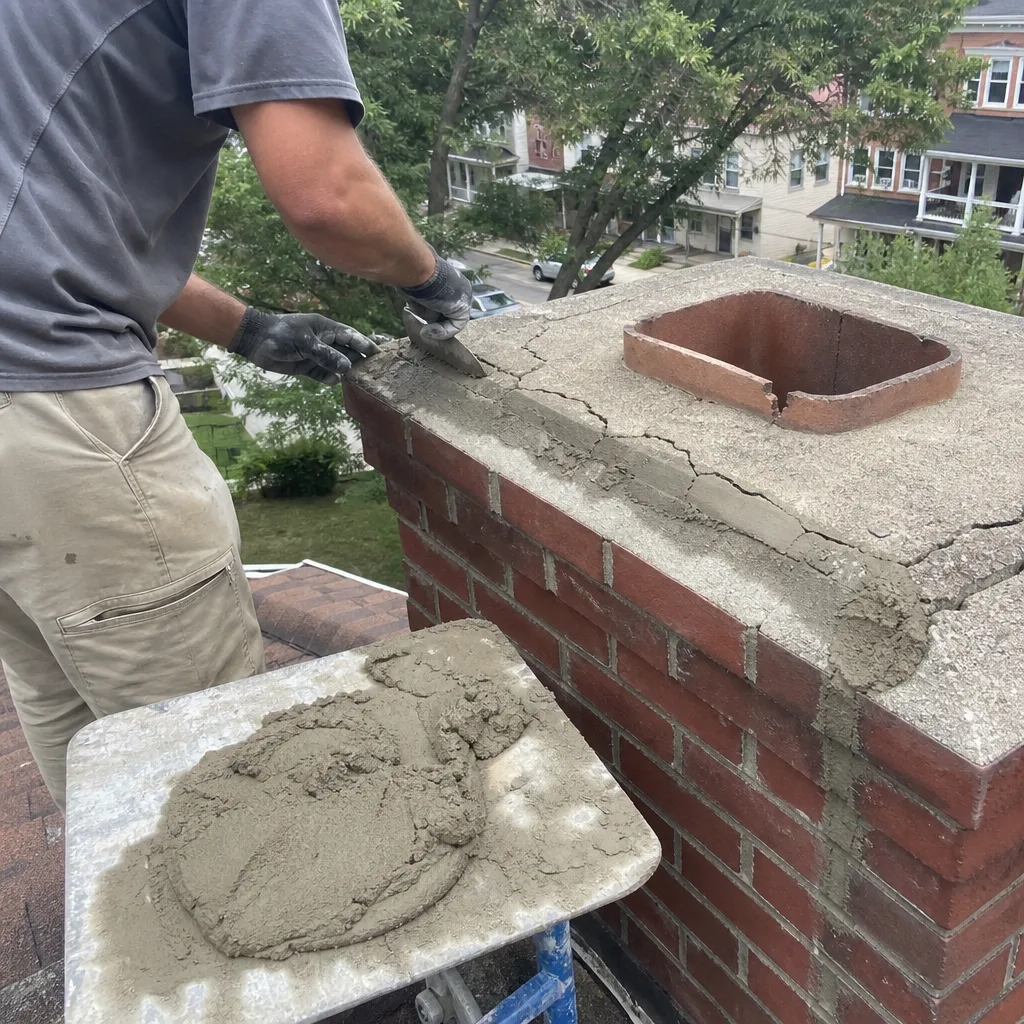
Documentation is not paperwork. It’s the evidence that work was performed to specification and that your chimney’s condition is recorded for future reference. In Camden’s market, where home sales are common and insurance claims increasingly require proof of maintenance, documentation has real financial value.
After a proper chimney cleaning, you should walk away with:
- Dated, geotagged photographs of the flue interior, firebox, smoke chamber, crown, cap, and exterior masonry. These establish condition at time of service.
- Camera video or still sequence showing the full flue length. Clause 4 of the Haven Standard requires this archive on every job.
- Written condition assessment noting creosote class, liner integrity, crown condition, and any anomalies.
- Prioritized recommendations with clear distinction between “required for safe operation,” “recommended for maintenance,” and “optional improvement.”
- Written scope and price for any additional work, with no requirement to decide immediately.
- Warranty document stating coverage terms and claim process.
We maintain our documentation archive continuously since 2009. If you need to prove maintenance history for a home sale, insurance claim, or warranty dispute, we can produce records from any visit. This is not a premium service. It’s standard practice under the Haven Standard, and it became Clause 4 because we implemented it years before regulators or insurers required it.
Companies that deliver only a receipt or a verbal summary are not saving you money. They’re removing your ability to verify what was done, dispute what was recommended, or document your home’s condition for future needs.
How Often Camden Homeowners Actually Need Sweeps
NFPA 211 recommends annual inspection for all chimney systems and cleaning “as necessary.” The “as necessary” determination depends on use, fuel, and what the camera finds.
For Camden’s specific housing and climate patterns:
- Wood-burning primary heat (3+ fires/week October-March): Annual cleaning, typically scheduled in September before burning season. Creosote accumulation in this use pattern often reaches Class II by month 8-10.
- Wood-burning occasional use (1-2 fires/week, holidays and weekends): Inspection annually, cleaning every 2-3 years unless camera inspection shows faster accumulation. Camden’s river-humidity climate can accelerate surface corrosion even with lighter use.
- Gas inserts: Inspection every 2 years, cleaning as needed for debris or insect obstruction. The primary concern is vent integrity and burner condition, not creosote.
- Oil-to-gas conversions with existing flues: Critical first inspection. Oil residue and gas condensation create incompatible corrosion patterns. We inspect these systems regardless of apparent condition.
- Unused chimneys: Still require periodic inspection. Water intrusion, animal nesting, and structural deterioration proceed regardless of fire frequency. Every 2-3 years for Camden homes with intact caps; annually if the cap is missing or damaged.
The inspection frequency is non-negotiable. The cleaning frequency is data-driven. We don’t clean chimneys that don’t need it, and we don’t skip cleaning when camera evidence shows accumulation. The written report from each visit tells you when to schedule next, based on what we found, not on a calendar template.
Camden’s burning season runs roughly October 15 through April 15, with peak demand in September for pre-season scheduling. Booking outside peak (May-August) often secures wider scheduling windows and confirms condition before heating dependence begins. Browse more guides & resources for year-round chimney care tips.
Common Mistakes to Avoid
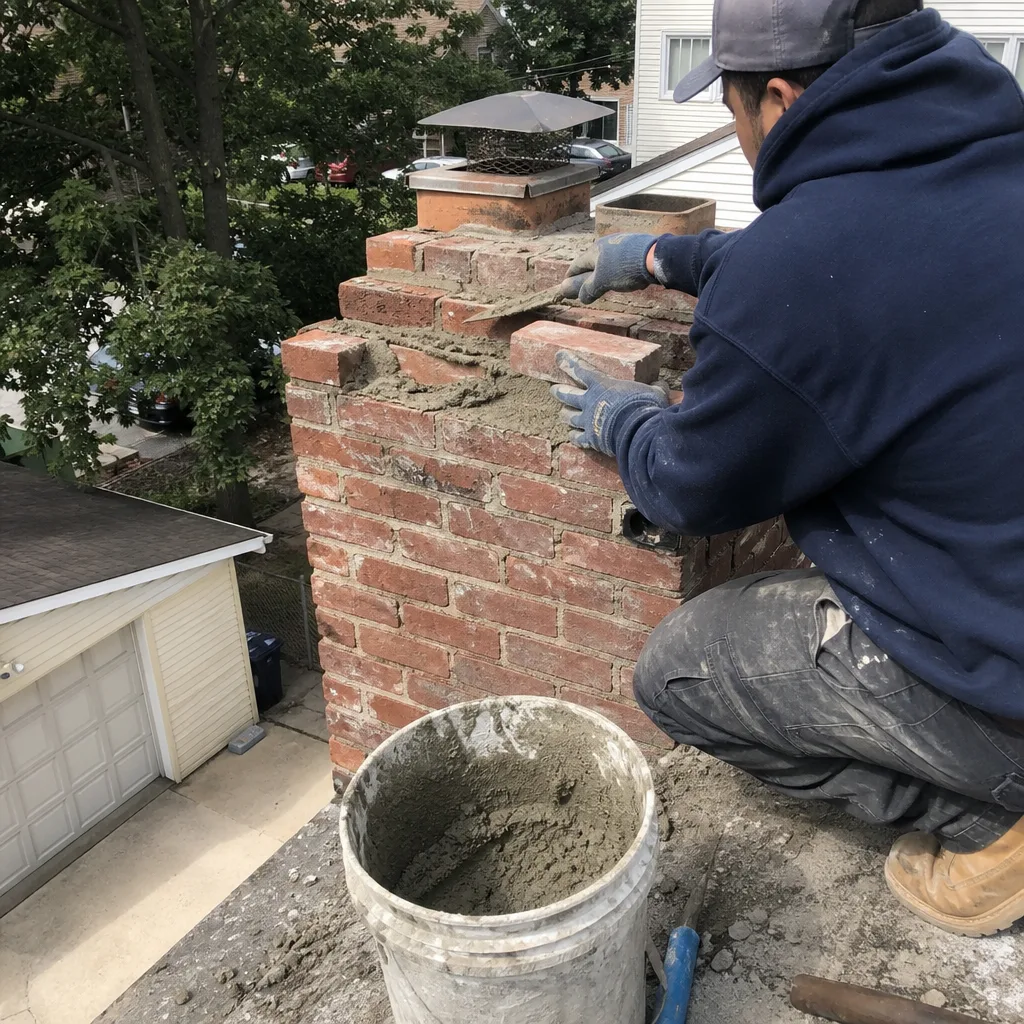
- Booking on headline price alone. The $189 quote with no camera inspection and no written report costs more than the $275 quote that includes both, and leaves you without documentation for insurance or resale.
- Assuming all sweeps include the same service. “Chimney cleaning” is not a standardized term. One company’s cleaning is a brush pass; another’s is a six-step documented process. The written scope reveals the difference.
- Ignoring Camden’s row-home specific risks. Shared walls, offset flues, and aging clay tile create patterns that national chains without local experience miss. A technician unfamiliar with Camden’s housing stock won’t know to check for party-wall flue separation or historic chimney modifications.
- Accepting verbal recommendations without photo evidence. Any recommendation for liner replacement, crown rebuild, or masonry repair should be accompanied by images you can see. “Trust me, it’s cracked” is not a professional standard.
- Skipping maintenance because the chimney “looks fine.” Creosote accumulation and liner deterioration are internal conditions. The exterior brick can appear sound while the flue interior is compromised. Camera inspection exists because appearance is not evidence.
- Waiting for smoke backup or odor to act. These are late-stage symptoms. Proper maintenance prevents them. A chimney that smokes into the room has already passed through multiple warning stages that inspection would have caught.
- Hiring unlicensed operators for price savings. Camden requires proper licensing for chimney work. Unlicensed operators carry no bond, no insurance verification, and no recourse if damage occurs. Our license number appears on every page; we provide certificate of insurance on request.
When to Call a Professional
Call for inspection, not just cleaning, when you notice any of these: smoke drafting into the room instead of up the flue; visible creosote flakes in the firebox or on the hearth; water staining on interior walls near the chimney breast; a persistent smoky odor when the fireplace is not in use; or any animal sounds or debris falling into the firebox.
These symptoms indicate conditions that brushing alone may not address. The camera inspection determines whether you’re looking at a cleaning need, a repair need, or both.
For new Camden homeowners, we recommend a baseline inspection regardless of the seller’s disclosure. Pre-purchase inspections in this market frequently miss chimney condition, and establishing your own documented baseline protects against future disputes.
Level Two Chimney Camden offers free estimates in Camden and surrounding communities. Call (856) 741-9572 to schedule. You’ll receive a written scope and price before we arrive, a camera-documented inspection during the visit, and a photo report with prioritized recommendations when we’re done. If you have a written estimate from another company, our Free Second Opinion service will compare it line by line against our scope at no charge.
Frequently Asked Questions
A properly scoped chimney sweep in Camden costs between $180 and $340 for a single-flue wood-burning system with standard creosote accumulation. That includes Level 2 camera inspection, brush cleaning matched to your liner type, HEPA containment, and a written photo report. Gas insert cleaning typically runs $150-$260. Call (856) 741-9572 for an exact quote based on your system - estimates are free.
You need a new liner only if camera inspection shows the existing liner is structurally compromised: cracked clay tiles, corroded stainless seams, or missing sections that allow combustion gases to contact masonry. We never recommend liner replacement without photo evidence you can see yourself. In Camden’s pre-war housing stock, about 15% of inspected flues require liner attention, but the majority are maintainable with proper cleaning and crown maintenance. Bring us any competitor’s liner replacement quote for a Free Second Opinion.
Wood-burning systems used as primary heat need annual cleaning before each burning season. Occasional-use wood fireplaces typically need cleaning every 2-3 years, with annual inspection to determine timing. Gas inserts need inspection every 2 years, cleaning only if debris or obstruction is found. Camden’s humidity and freeze-thaw climate make inspection timing more important than in drier regions - water damage progresses year-round regardless of fire frequency.
Skipped maintenance leads to three predictable outcomes: creosote accumulation increases fire risk (Class III creosote ignites at approximately 450°F, well below normal flue temperatures); moisture intrusion degrades liner and masonry, eventually requiring rebuild rather than repair; and minor issues become major because they’re not caught early. The cost difference between scheduled maintenance and deferred repair in Camden homes typically runs 3:1 to 5:1. Camera inspection catches conditions when they’re still addressable with cleaning or minor repair.
Level 1 is a visual inspection of accessible portions without specialized equipment, appropriate for unchanged systems with continued normal use. Level 2 includes video scanning of the flue interior, accessible attic and crawl space examination, and documentation of all internal surfaces - required for home sales, new appliance installation, or any operational change. In Camden’s older housing, we perform Level 2 as our default because flashlight-visible assessment misses the conditions most likely to cause problems in clay tile and unlined masonry systems. Learn about permit and code requirements in our Chimney Cleaning Permits, Codes & Inspections in NJ: What You Need to Know.
We don’t recommend DIY chimney cleaning for Camden’s housing stock. The risks are specific: clay tile liners fracture under improper brush pressure; rooftop access on row homes often requires specialized ladder setups on narrow lots; and without camera equipment, you cannot verify that cleaning removed all creosote or that the liner remains intact. More critically, you cannot document the work for insurance or resale purposes. The savings are marginal against the cost of professional service, and the downside includes undetected liner damage that leads to carbon monoxide intrusion or chimney fire. For chimney repair in Camden or cleaning, professional service with documentation is the sound approach.
Quotes vary because the scope of work varies, even when described with the same words. One company’s “chimney cleaning” is a 30-minute brush pass with a flashlight look. Another’s is a two-hour process with camera documentation, HEPA containment, and written reporting. The only valid comparison is line-item scope, not headline price. Ask specifically: Is camera inspection included? What documentation do I receive? What warranty applies? The answers reveal why one quote is $189 and another is $275 for the same address.
The Bottom Line
Chimney cleaning in Camden costs $180-$340 for a properly scoped, documented service in 2026. The $79-$99 specials are customer acquisition tools, not real prices, and they typically withhold the camera inspection and written reporting that make the service valuable. Compare quotes by written scope, not headline number. Demand photo documentation of any recommended repair. Schedule inspection annually, cleaning as the camera indicates, and maintain your documentation for insurance, resale, and warranty purposes. The Haven Standard was built on these practices because they protect the homeowner’s interest before, during, and after the technician leaves.
Written by Corrine Halstead, Owner at Level Two Chimney Camden, serving Camden since 2009.