
Last updated September 21, 2026
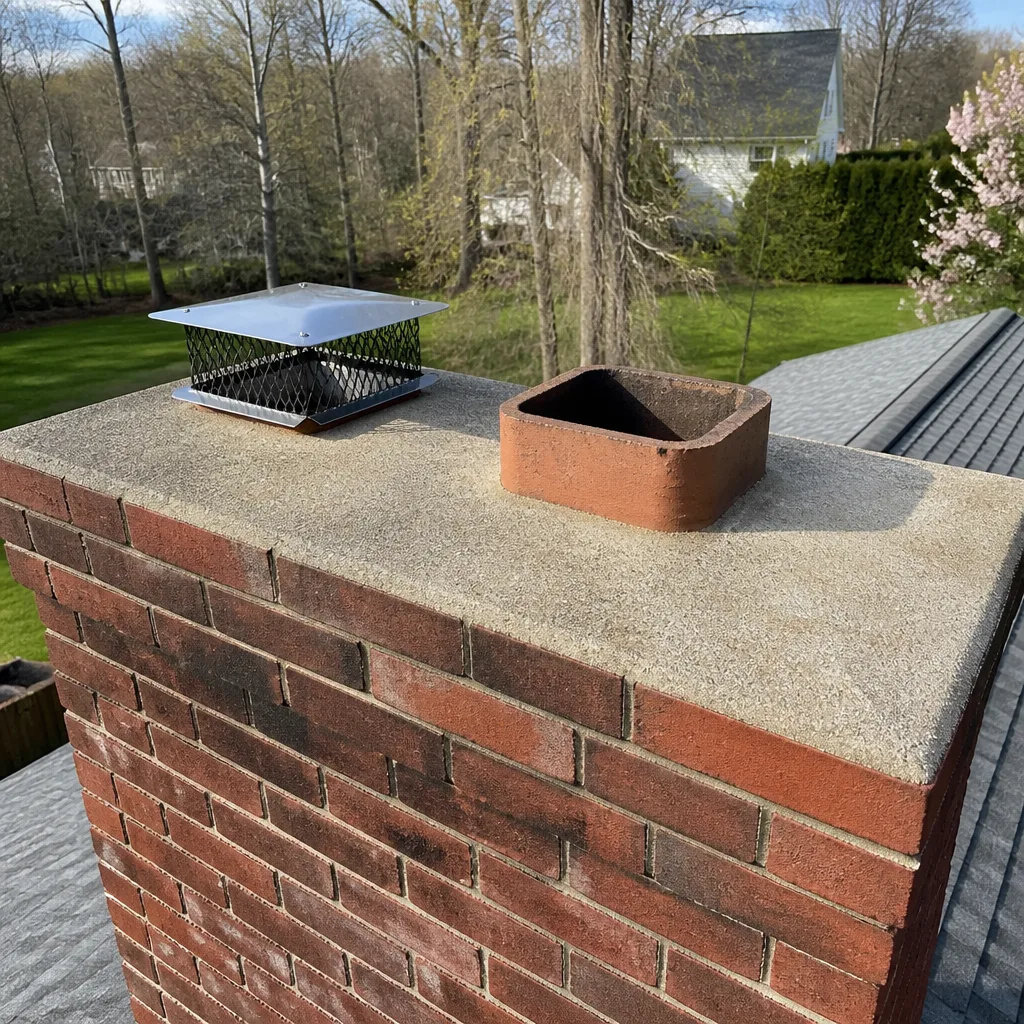
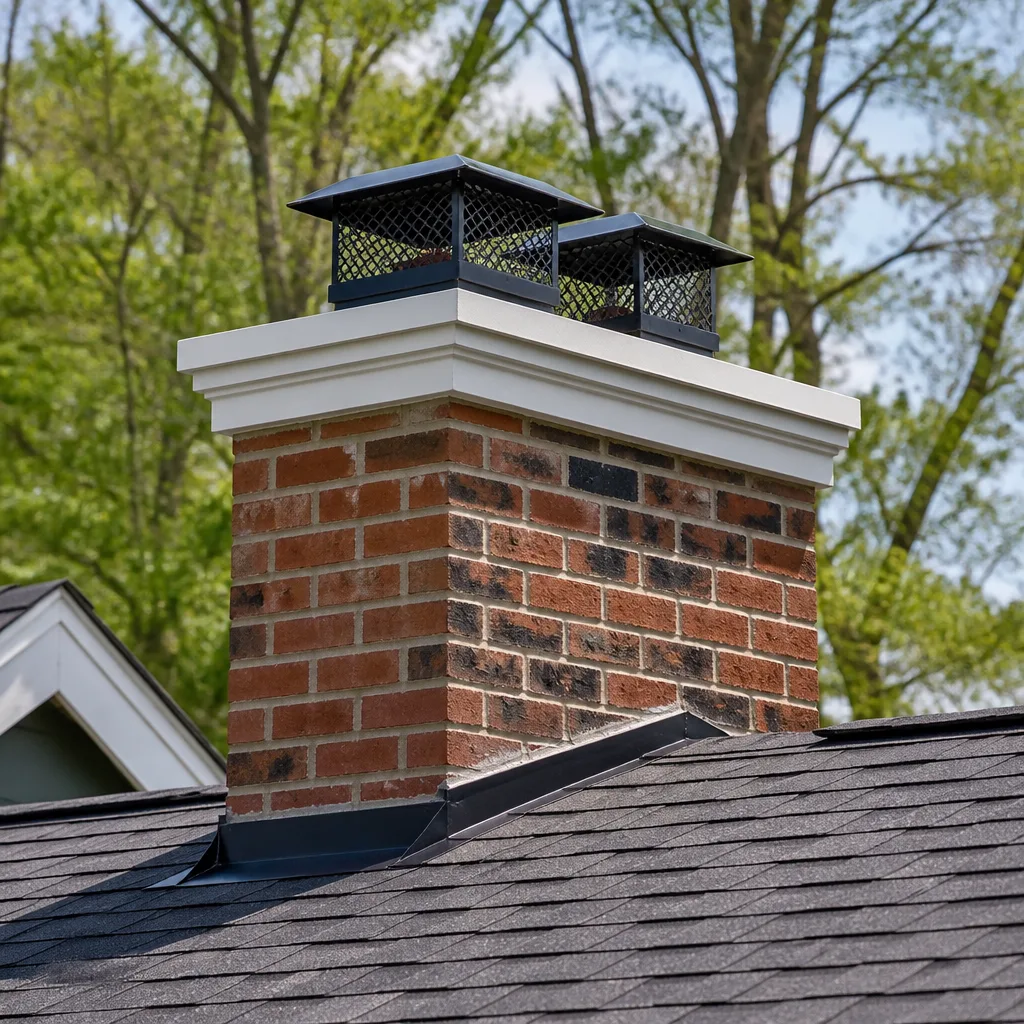
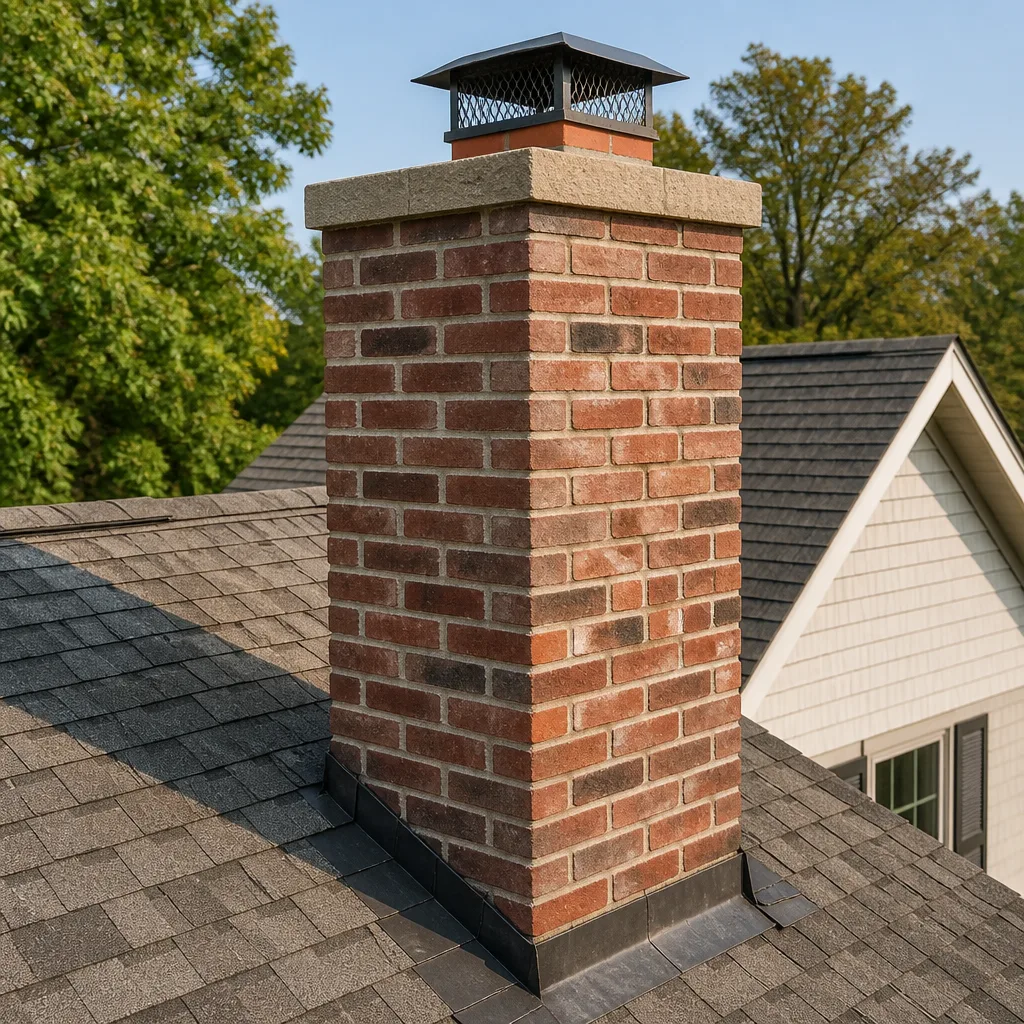
Level 1 sweep and inspection to the NFPA 211 annual standard - flue, crown, cap, and flashing checked and photographed
Chimney sweep logs do not sweep chimneys. They loosen some creosote - which then falls where a brush and vacuum still have to collect it.
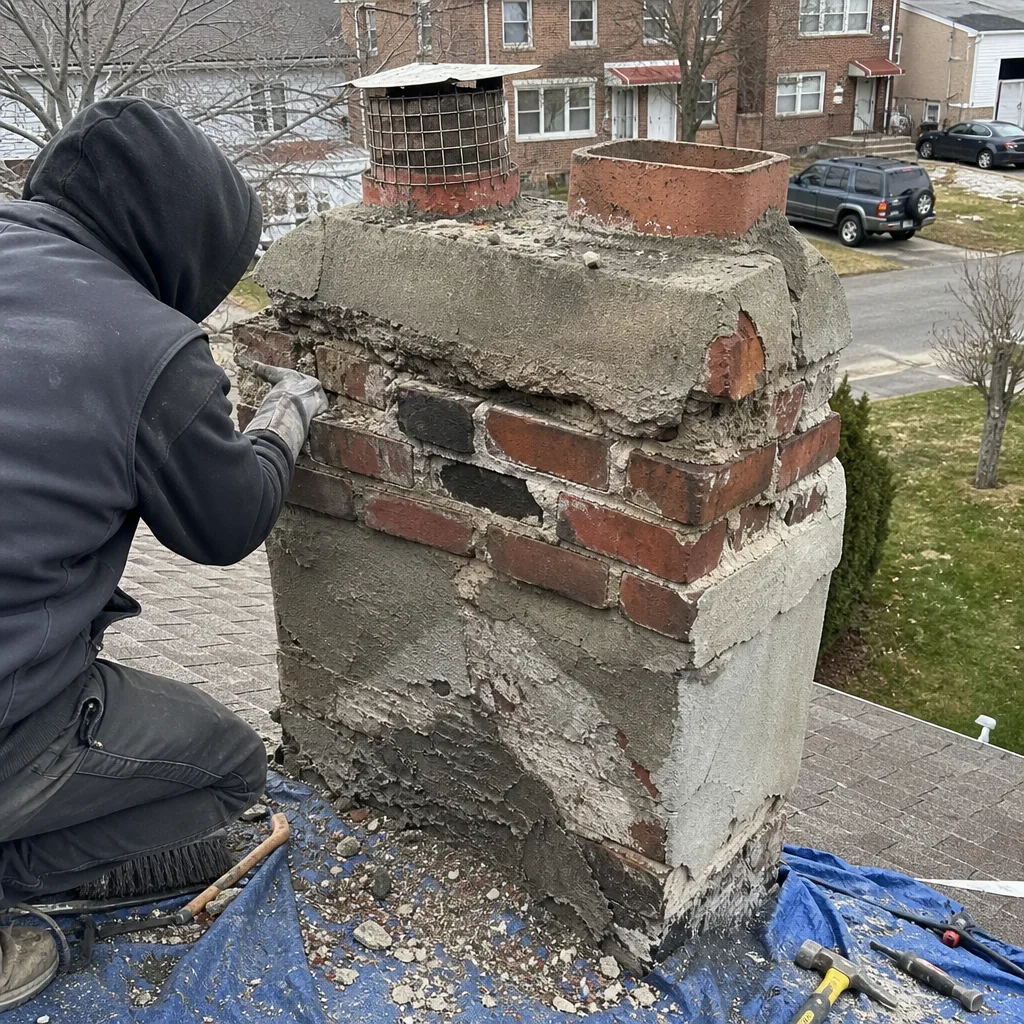 Before
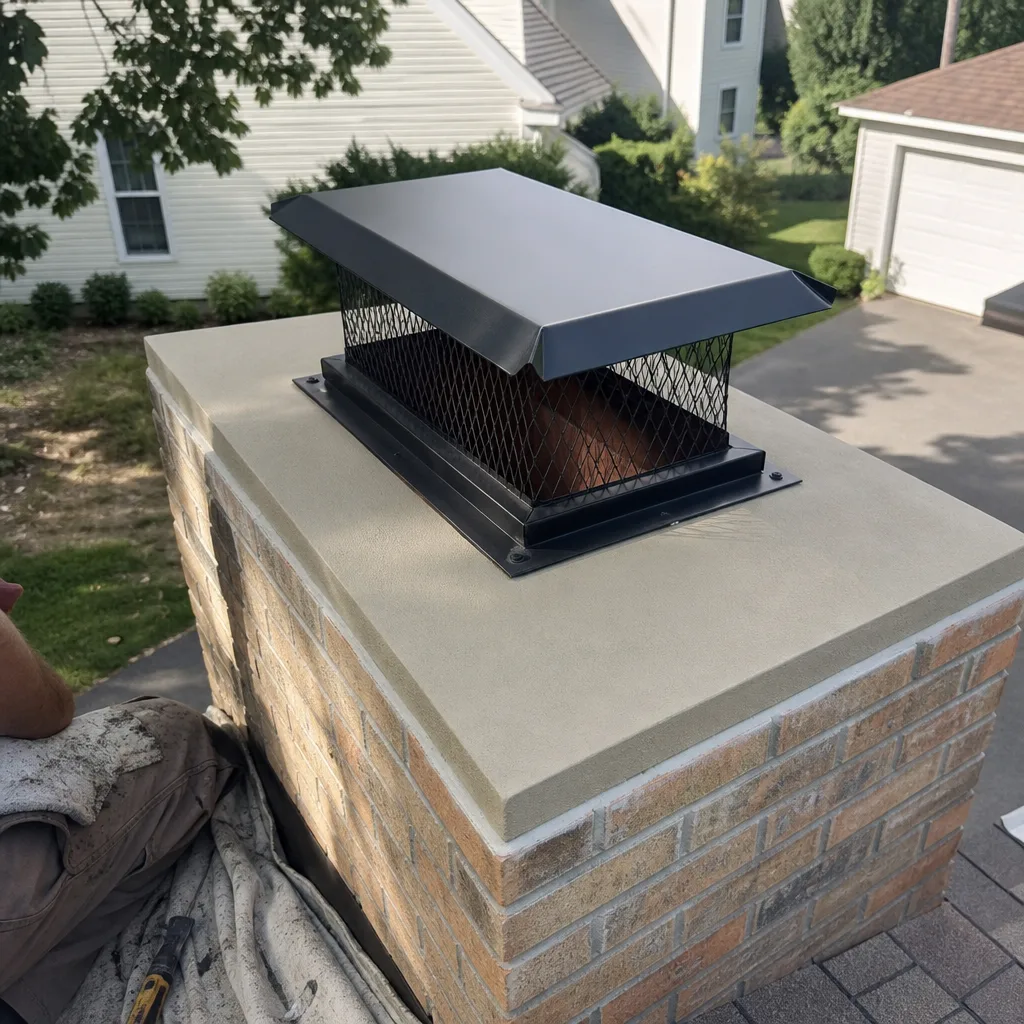 After
After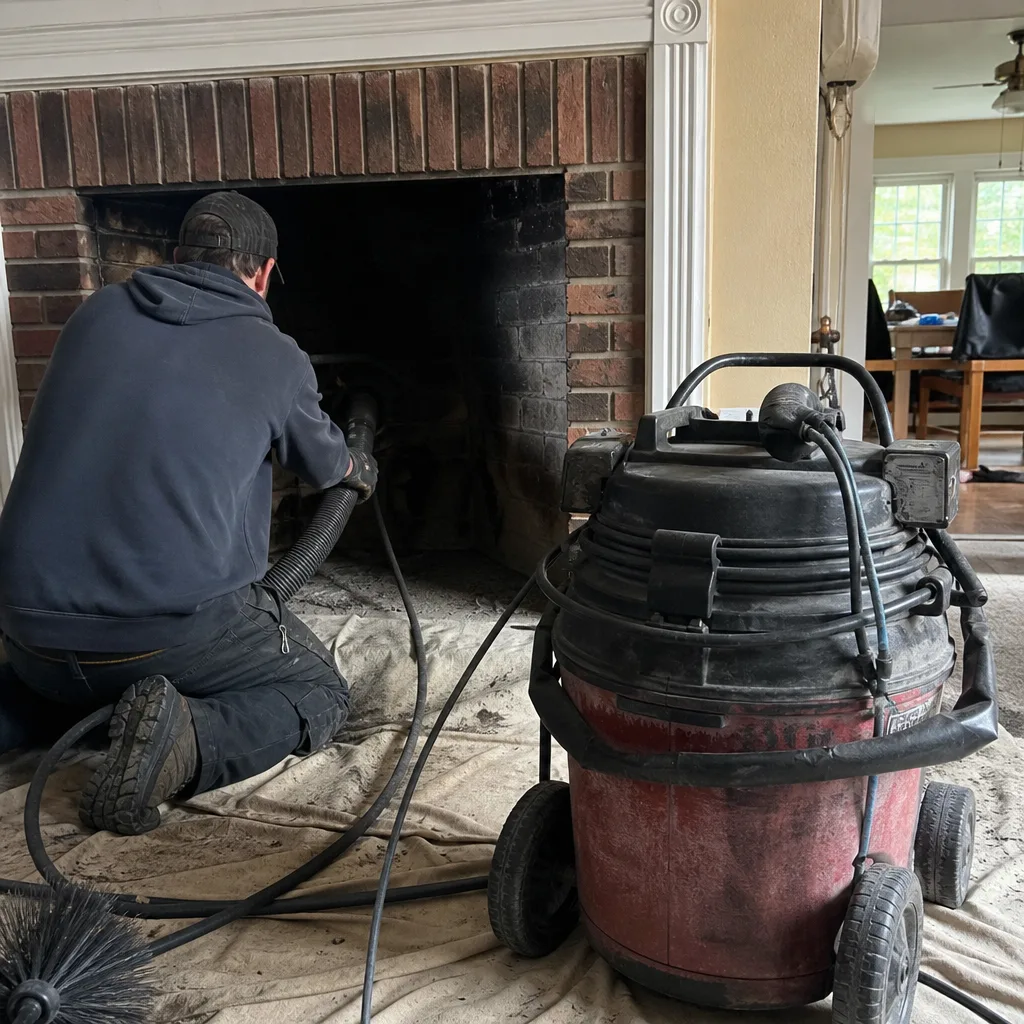 Before
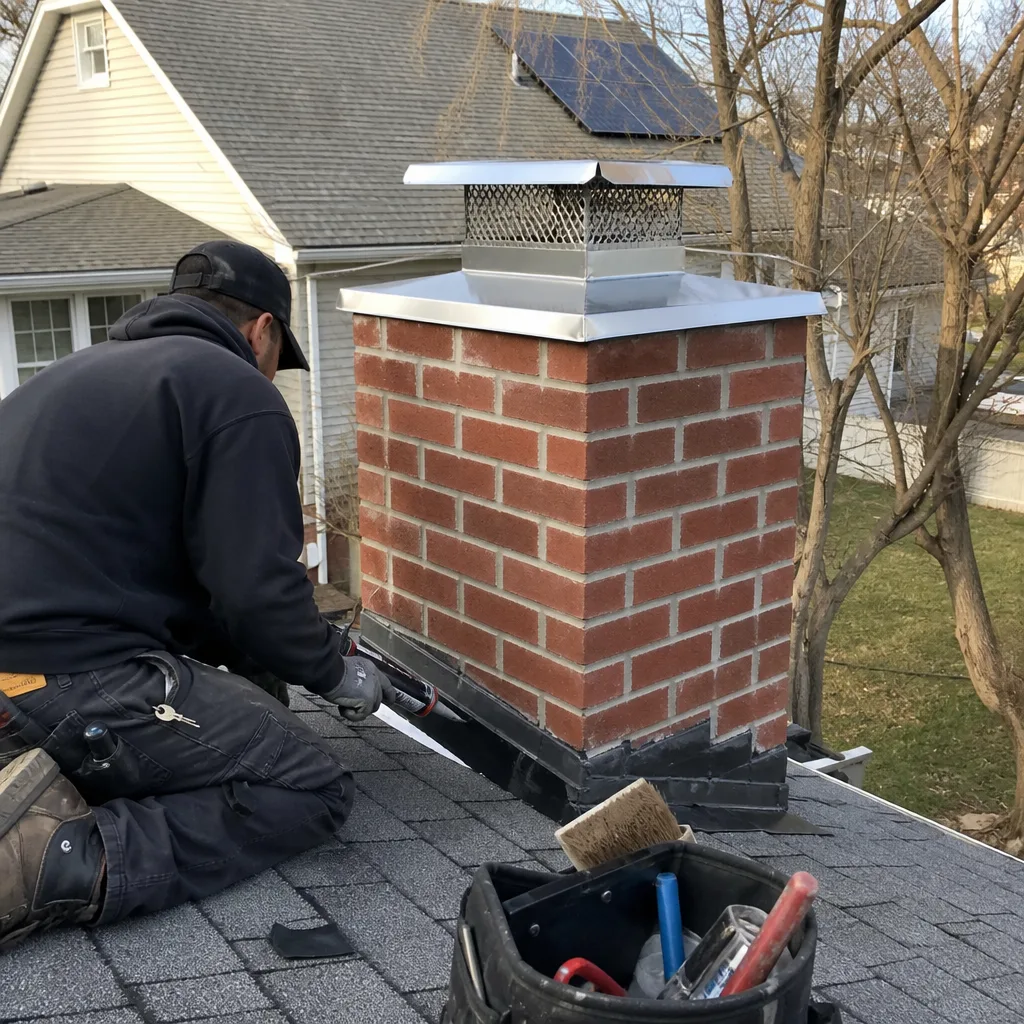 After
After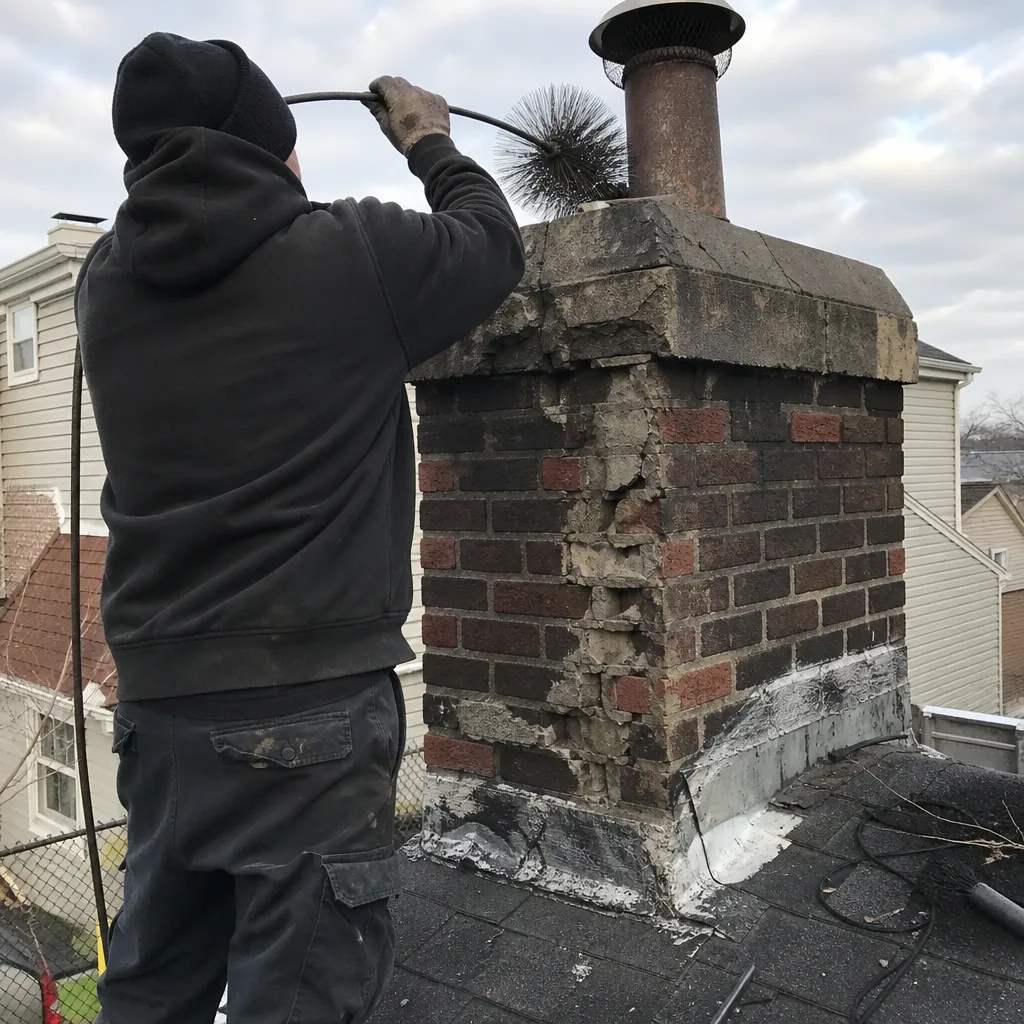 Before
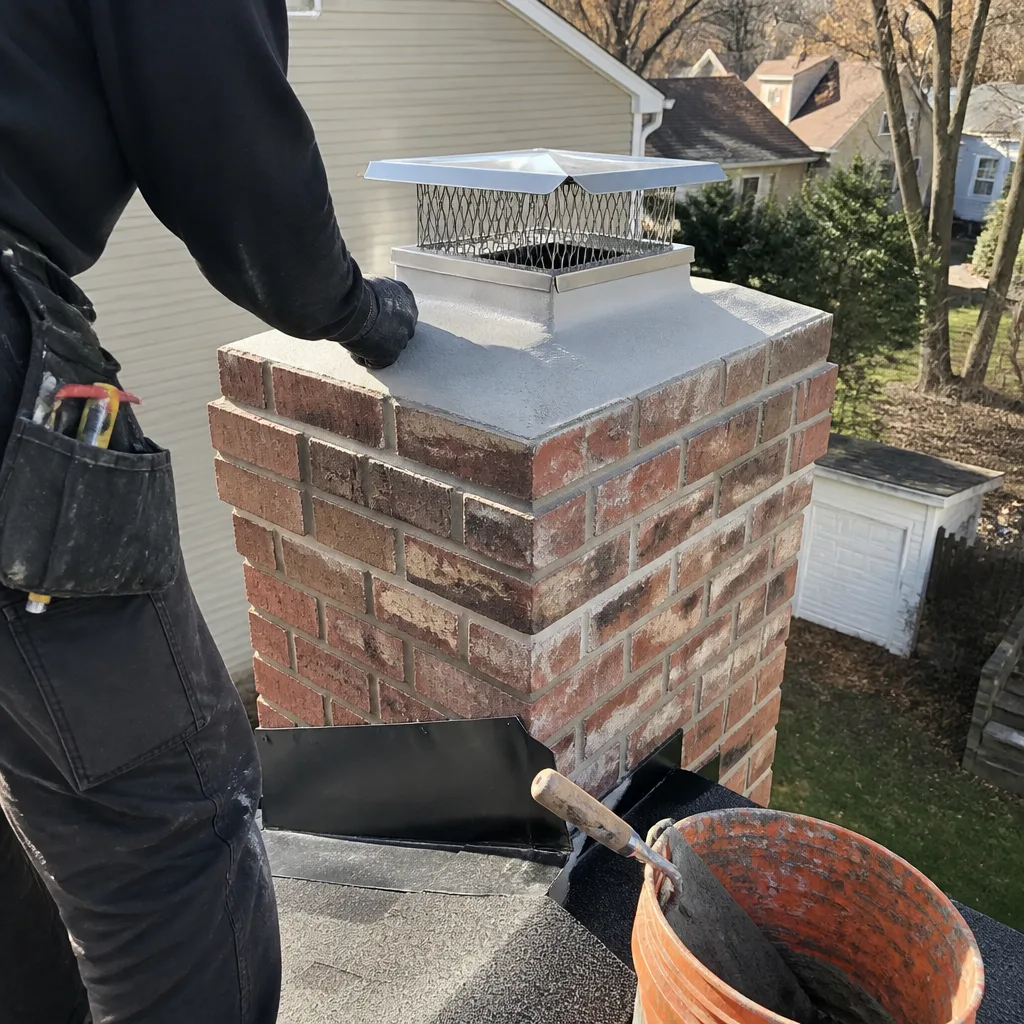 After
AfterChimney Cleaning & Sweep Maintenance Checklist for Camden Homeowners
Most Camden homeowners we meet believe their chimney needs cleaning every October like clockwork. That’s not maintenance planning; it’s a billing schedule. The actual trigger for a professional sweep is creosote stage, not the calendar. In our 38,000+ inspections since 2009, we’ve found chimneys in Cramer Hill that sat clean for two burning seasons and others in Whitman Park that glazed over in four months because of wet firewood. This guide gives you a condition-based checklist tied to what you can see, smell, and measure, so you know whether to call now or wait, and what to tell the technician when you do. For related reading, see our Complete Guide to Chimney Cleaning in Camden.
Quick Answer
A proper chimney maintenance checklist for Camden homeowners covers five observable conditions: creosote stage inside the flue, firebox and smoke chamber integrity, damper operation, exterior water damage signs, and documentation of fuel changes or prior service. If you find Stage 2 or 3 creosote, a stuck damper, or efflorescence on exterior brick, schedule a Level 2 camera inspection before your next fire. Most Camden homes with regular wood burning need professional evaluation every 12-18 months, though oil and gas systems can often stretch to 24 months if combustion remains clean.
Table of Contents
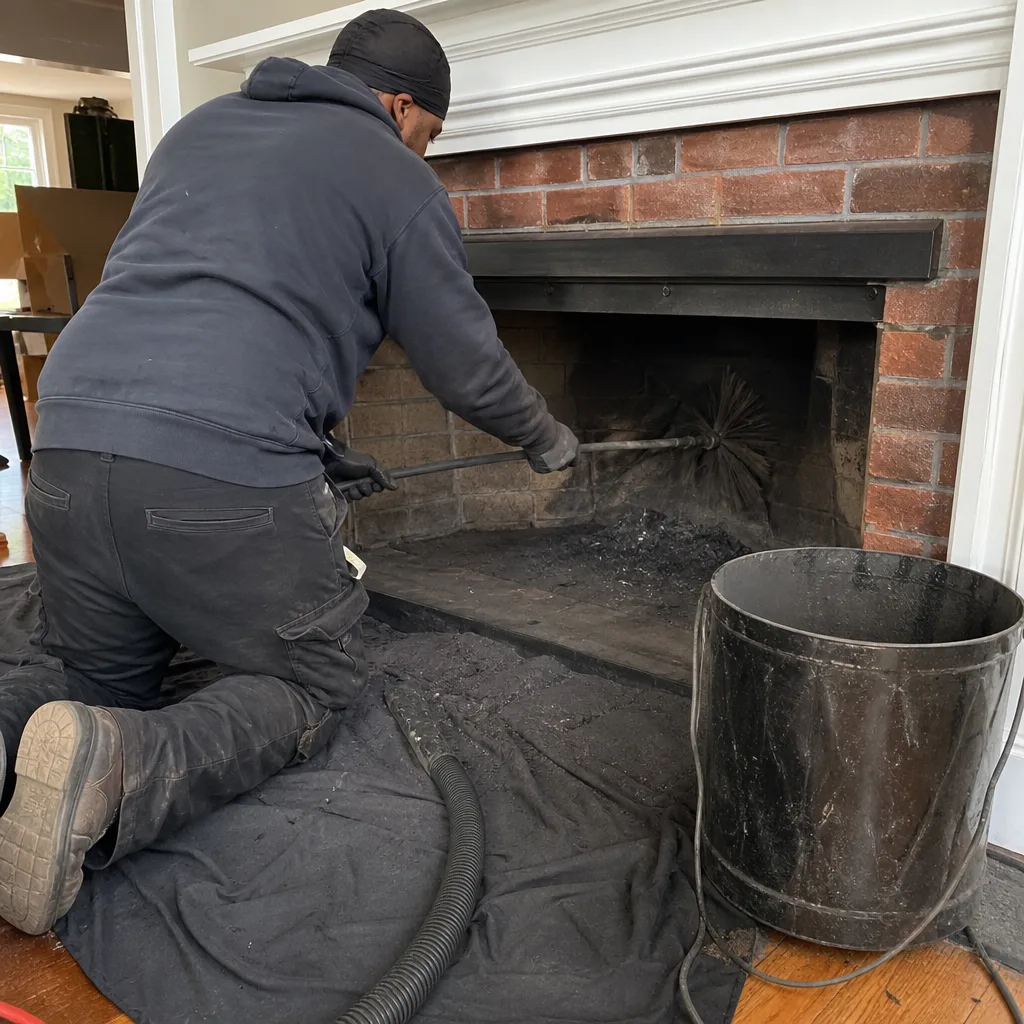
- Why Calendar-Based Cleaning Fails Camden Homeowners
- The Room-by-Room, Component-by-Component Checklist
- How to Self-Classify Creosote Stage (And When to Stop Burning)
- Camden-Specific Conditions to Flag Before They Become Repairs
- What to Document Before the Sweep Arrives
- Post-Service Verification: What to Check Before Signing Off
- Common Mistakes to Avoid
- When to Call a Professional
- Frequently Asked Questions
 Before
 After
AfterWhy Calendar-Based Cleaning Fails Camden Homeowners
The “clean it every year” rule originated with insurance actuaries, not combustion science. It assumes consistent fuel quality, burn habits, and flue geometry, none of which hold steady in real Camden homes.
Here’s what actually drives creosote accumulation:
- Wood moisture content: Firewood at 25% moisture (common in Camden’s humid summers) produces roughly three times the creosote of properly seasoned wood at 20% or below. That four-month difference in seasoning can turn an 18-month cleaning interval into a 6-month hazard.
- Burn temperature: Smoldering overnight fires, popular in Camden’s drafty Victorian stock, create the cool flue gases that condense creosote fastest. A hot, fast burn deposits far less.
- Flue size versus appliance output: An oversized flue on a small insert, common in Cooper Grant rowhouse conversions, pulls too slowly and lets creosote stick. An undersized flue on a large fireplace overheats the liner.
- Fuel switches: Switching from natural gas logs back to wood without inspection leaves you with a flue sized for lower-temperature gas exhaust.
The National Fire Protection Association (NFPA) recommends annual inspection, not automatic cleaning. Inspection determines whether cleaning is needed. In Camden’s climate, with freeze-thaw cycles that accelerate exterior deterioration, that inspection should include both interior flue condition and exterior water damage assessment. A checklist tied to observable conditions lets you comply with the NFPA 211 standard without paying for unnecessary Chimney Cleaning & Sweep services.
We’ve documented this approach in our Chimney Cleaning & Sweep in Camden service, where every visit starts with camera-scan evaluation, not assumption.
The Room-by-Room, Component-by-Component Checklist
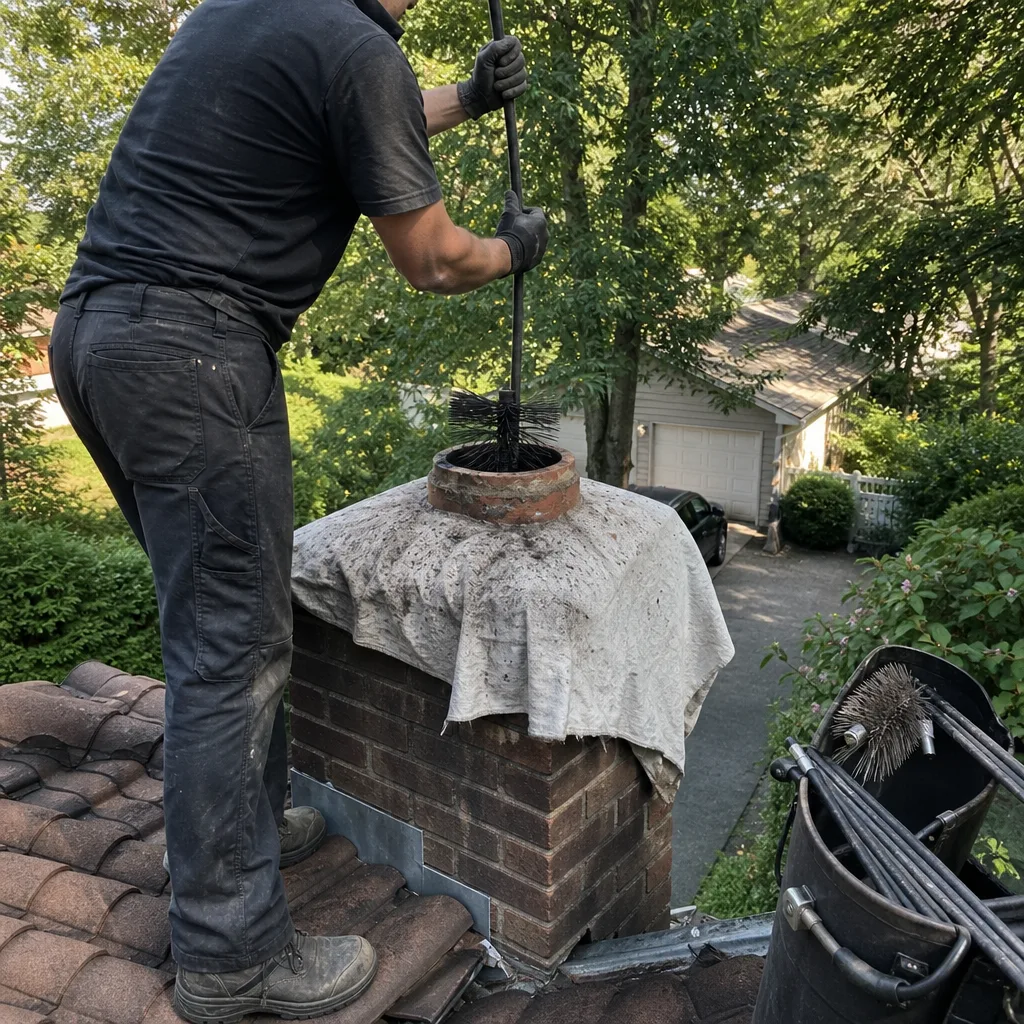
This checklist moves from the firebox upward, following the path of combustion gases. Complete it with a flashlight, a mirror on an extendable handle, and a smartphone for documentation. Do not attempt to access the roof.
Firebox (Ground Level, Interior)
- Check firebox brick or refractory panel joints. Look for gaps wider than 1/8 inch between firebricks, or cracks that pass completely through refractory panels. Heat escapes through these gaps and can ignite adjacent framing. In Camden’s older housing stock, particularly in Lanning Square and Bergen Square, we’ve found deteriorated mortar that let heat reach lath-and-plaster walls.
- Inspect the hearth extension. It should project at least 16 inches in front of the opening and 8 inches to each side for fireplaces, 18 inches for stoves. Cracks or settling indicate foundation movement common in Camden’s clay soils.
- Examine the damper. Open fully, then close fully. It should move smoothly without grinding or catching. Look past the damper into the smoke chamber with your flashlight. You should see the flue liner opening, not a wall of creosote.
- Test damper seal when closed. Hold a lit incense stick or thin ribbon near the closed damper. Significant airflow indicates a warped or rusted damper plate, which wastes heated air and can cause smoke backup on windy Camden days.
Smoke Chamber (Above the Damper, Visible from Firebox)
- Assess corbeling. The smoke chamber walls should slope smoothly toward the flue. Sharp brick edges or exposed mortar joints create turbulence that deposits creosote. NFPA 211 requires parging (smoothing) when corbeling exceeds 45 degrees or joints are exposed. Most Camden homes built before 1980 fail this check.
- Look for black, shiny deposits. This indicates Stage 3 glazed creosote, which requires chemical treatment before mechanical removal. Burning does not remove it; it hardens it further.
Flue Liner (Visible from Firebox Opening or Clean-Out Door)
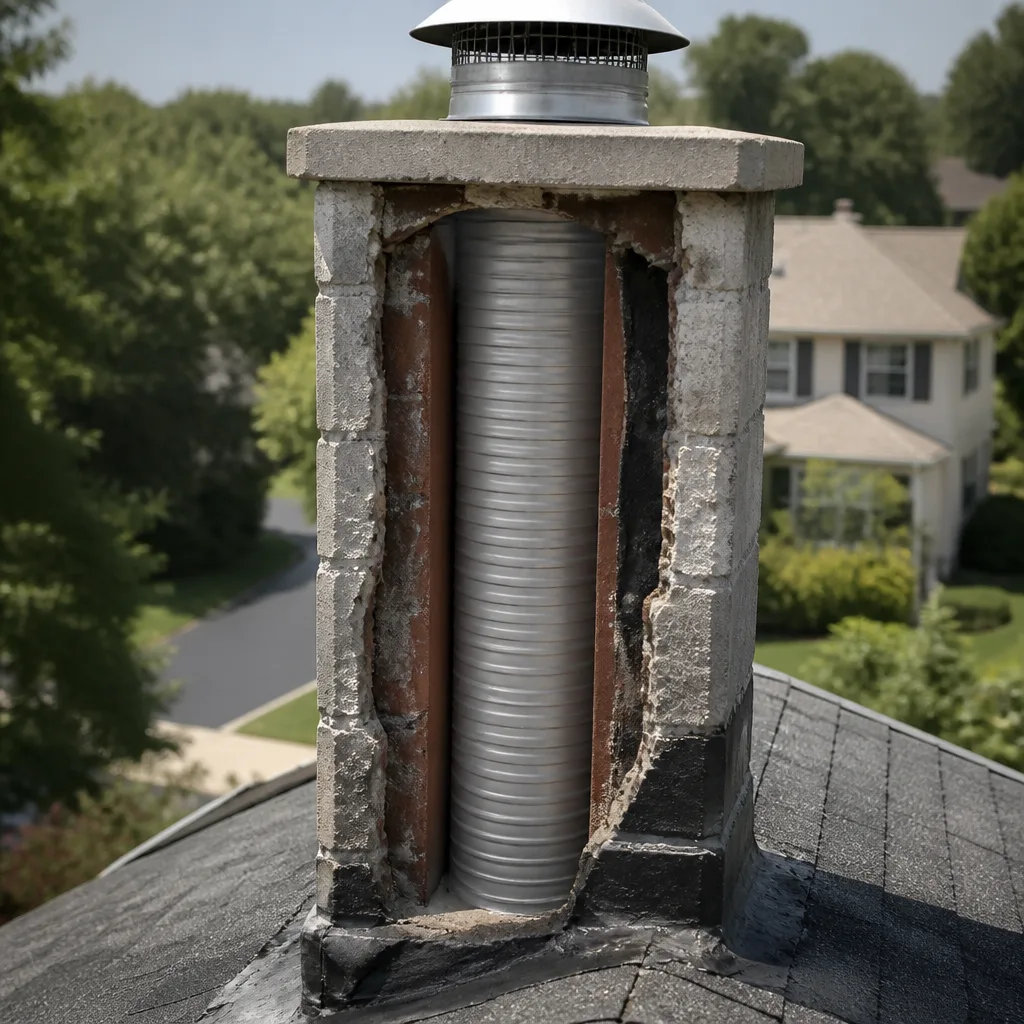
- Identify liner material. Clay tile (common pre-1980), stainless steel (retrofit), or cast-in-place (rare in Camden). Note any tiles you can see; count missing or cracked ones.
- Measure visible creosote depth. Use a fireplace poker or similar tool. Stage 1 creosote flakes off easily and looks like fine black soot. Stage 2 requires moderate scraping. Stage 3 is hard, glossy, and cannot be scratched with a fingernail.
- Check for liner displacement or gaps. Shifting clay tiles, often caused by Camden’s freeze-thaw cycles or chimney fires, create gaps that let combustion gases enter wall cavities.
Exterior (Ground Level Only - Do Not Climb)
- Scan the crown (concrete cap at top). From the ground or a safe window, look for cracks, missing chunks, or separation from the flue tile. Water enters here and destroys chimneys from the top down.
- Inspect the cap and screen. It should cover all flue openings with mesh sides. Missing screens let birds and squirrels nest; we’ve removed squirrel nests from Camden chimneys in February when the animals sought warmth.
- Check flashing where chimney meets roof. Look for lifted edges, rust stains, or gaps. Camden’s wind exposure off the Delaware makes this a common failure point.
- Examine brick and mortar below the roofline. White powder (efflorescence), spalling (flaking brick faces), or missing mortar joints indicate water infiltration that compromises structural integrity.
For components you cannot safely assess from ground level, our Chimney Repair in Camden service includes full exterior evaluation with photo documentation under Haven Standard Clause 4.
How to Self-Classify Creosote Stage (And When to Stop Burning)
Creosote classification determines whether you can safely continue burning, whether standard sweeping suffices, or whether chemical pretreatment is required. Misjudging this risks chimney fire or unnecessary expense.
Stage 1: Soot (Safe to Burn, Schedule Standard Sweep)
Appearance: Fine, dusty, black or dark gray. Texture resembles charcoal dust or coarse black flour.
Test: Wear a nitrile or latex glove. Touch the deposit inside the firebox or visible flue opening. It smudges easily and wipes off on your finger without pressure.
Action: Normal burning can continue. Schedule a standard sweep within the next 2-3 months. This is the ideal stage for mechanical removal with brushes.
Stage 2: Granular Creosote (Sweep Before Next Burning Season)
Appearance: Crunchy, irregular granules ranging from coarse sand to small pea-sized chunks. Color ranges from matte black to dark brown. Often contains tar-like binding.
Test: Scrape with a fireplace tool. It chips off with moderate pressure but does not powder. Your glove may pick up sticky residue.
Action: Stop burning if the layer exceeds 1/8 inch thickness. This stage requires professional mechanical removal, which we complete with rotary systems matched to your flue diameter. Burning with significant Stage 2 deposits risks ignition at approximately 451°F, well within normal flue temperatures.
Stage 3: Glazed Creosote (Stop Burning Immediately)
Appearance: Hard, glossy, black or dark brown coating resembling obsidian or hardened syrup. May show drip formations where molten creosote ran down the flue and resolidified.
Test: Attempt to scratch with a metal tool. It resists significantly or cannot be scratched. A gloved finger slides across without picking up material.
Action: Do not burn. Stage 3 creosote ignites at lower temperatures and burns with explosive intensity. Mechanical removal alone damages clay tiles and stainless liners. Professional treatment requires chemical modifiers (we apply HeatShield or similar phase-change products) that break the glaze bond over 12-24 hours before mechanical removal.
In Camden’s older housing stock, we see Stage 3 most often in homes burning unseasoned wood or operating inserts in oversized fireplaces. The restricted airflow creates the cool, oxygen-starved conditions that produce glazed deposits fastest.
Our Fireplace Services in Camden include combustion analysis and insert sizing verification to address the root cause, not just the symptom.
Camden-Specific Conditions to Flag Before They Become Repairs
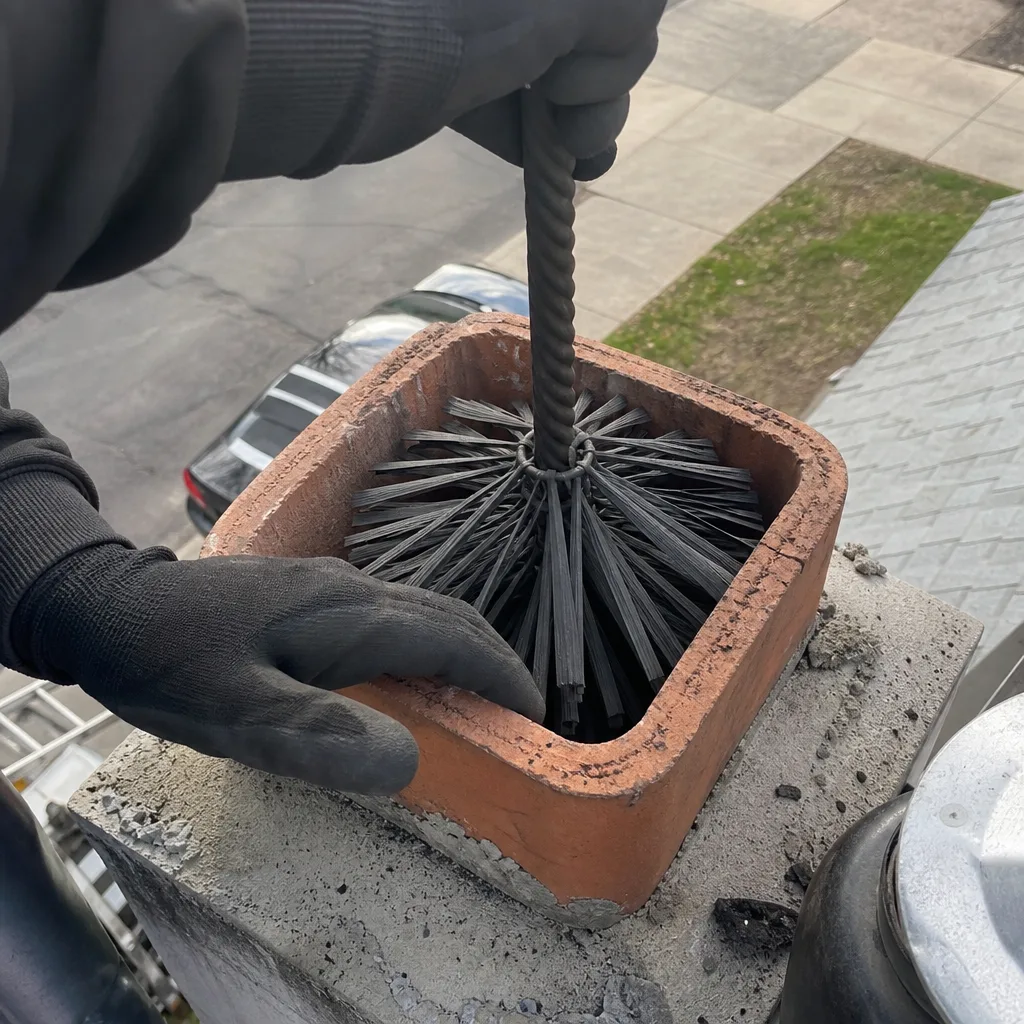
Camden’s location on the Delaware River, its aging housing stock, and its freeze-thaw climate create chimney problems that differ from inland New Jersey markets. These four conditions should trigger immediate professional evaluation regardless of creosote stage.
Efflorescence on Exterior Brick
White, powdery deposits on chimney brick indicate water soluble salts migrating through the masonry. In Camden, this typically follows winter water infiltration through crown cracks or deteriorated mortar, then evaporation during spring warming. It’s not merely cosmetic; it signals ongoing water saturation that destroys mortar from within. We’ve replaced chimney crowns in Waterfront South and Pyne Point where efflorescence preceded total crown failure by two seasons.
White Staining at Flashing Line
Calcium deposits where the chimney meets the roof indicate long-term water intrusion at the flashing. Camden’s wind-driven rain off the Delaware, combined with thermal expansion cycling, separates flashing from masonry faster than in protected inland locations. This staining often appears before interior ceiling damage becomes visible.
Spalling Brick Faces
Flaking or popping brick surfaces, common on south- and west-facing chimney exposures in Camden, result from freeze-thaw cycles. Water enters porous brick, expands when frozen, and fractures the face. Spalling accelerates exponentially; a few damaged bricks in year one becomes structural compromise by year three if unaddressed.
Tilted or Separated Chimney
Any visible lean or gap between chimney and house wall indicates foundation settlement or deteriorated footing. Camden’s clay soils expand and contract dramatically with moisture changes. A chimney separating from the wall is a structural emergency, not a maintenance item.
These conditions appear in our standard exterior assessment, included with every Level Two Chimney Camden home visit under Haven Standard Clause 4.
What to Document Before the Sweep Arrives
Efficient chimney evaluation depends on context. The technician’s camera scan reveals current condition, but your documentation explains how that condition developed. Prepare these items before your appointment:
- Photograph current firebox and visible flue condition. Use your smartphone with flash. Include the damper area, smoke chamber, and any deposits you can reach. These become baseline comparisons for future visits.
- Note last professional service date and company. If you have prior inspection reports or receipts, gather them. We frequently find that “annual cleaning” from other providers consisted of a brush run from the roof without camera verification.
- Record fuel type and source changes. Switching from cordwood to pressed logs, from oak to pine, or from wood to gas affects creosote formation and flue sizing requirements. Note the approximate cords burned per season.
- Document any operational changes. Smoke spillage into rooms, unusual odors, difficulty starting drafts, or changes in burn duration all indicate developing problems.
- Identify neighborhood-specific concerns. In Camden’s historic districts, mention any prior water intrusion, roof replacement, or structural work. In areas near former industrial sites, note any unusual residue colors (we’ve encountered brick discoloration from historic air pollution that affects moisture absorption).
- Prepare access. Clear the hearth area of decorations and furniture to 6 feet. Ensure the technician can reach the exterior chimney base for ground-level photography. If you have a clean-out door in the basement, ensure it’s accessible.
This preparation reduces evaluation time and lets the technician focus on camera documentation rather than detective work. Under Haven Standard Clause 1, you’ll receive a written scope and price before any work begins, but thorough documentation makes that scope more precise.
Post-Service Verification: What to Check Before Signing Off
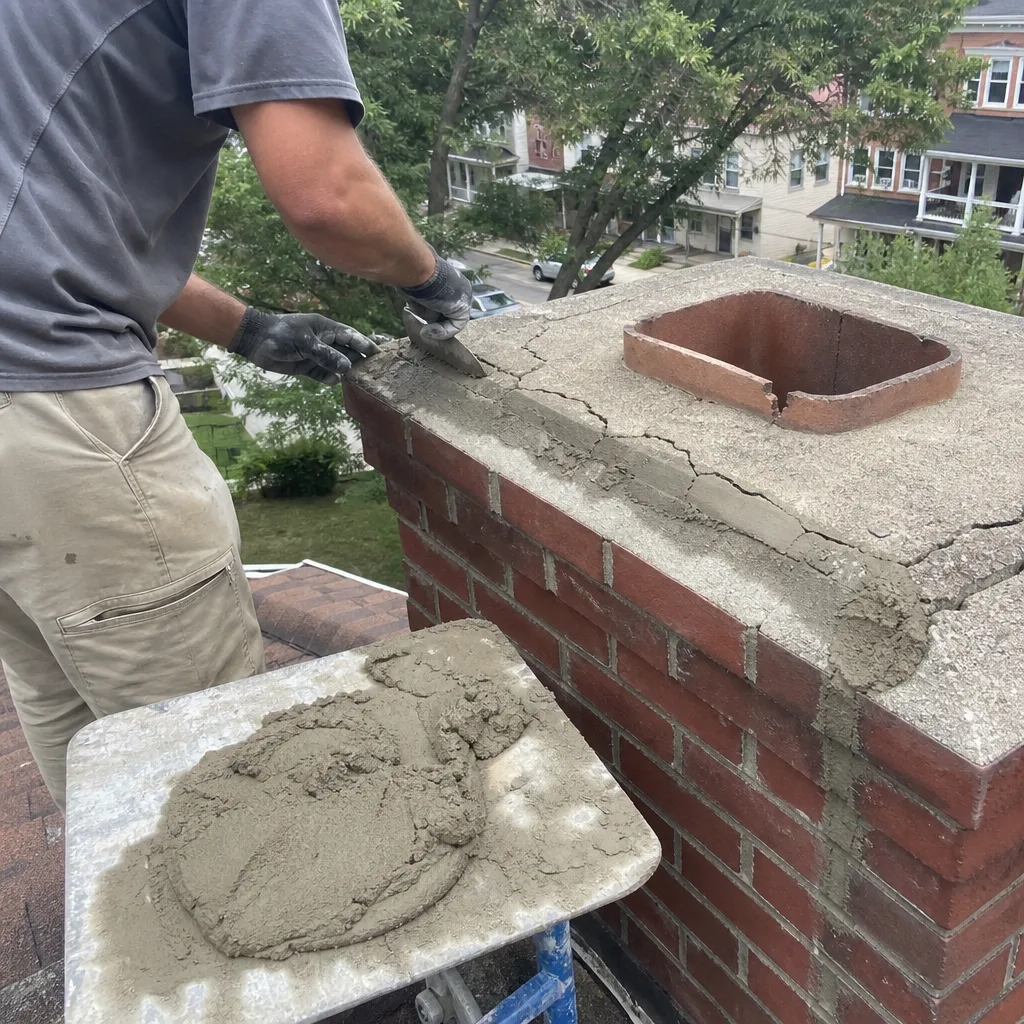
A proper chimney service should leave you with documented evidence, not just a clean flue. Before the technician departs, verify these deliverables:
- Written scope of work performed. It should specify what was cleaned, inspected, or repaired; what equipment was used; and what areas were inaccessible. Vague entries like “serviced chimney” are unacceptable under the Haven Standard.
- Before and after images. Clause 4 requires photo documentation. You should see clear images of the flue liner condition pre-cleaning, post-cleaning, and any defects found. Blurry or missing images indicate incomplete documentation.
- Video footage if Level 2 inspection was performed. The camera scan should show continuous footage from firebox to flue top, with narration or on-screen markers identifying locations. Gaps in footage may hide defects.
- Deferred work list with prioritization. Any condition not addressed should be listed with recommended timeline and safety implications. “Monitor” without specifics is not actionable.
- Written price for any recommended repairs. Not an estimate range, a fixed price for defined scope. Clause 1 of the Haven Standard requires this before any additional work proceeds.
- 365-Day Done Right Promise documentation. The warranty terms should be stated in writing, with contact information for claims.
We’ve rebuilt our documentation system three times since 2009 to make this verification intuitive. The current format presents all six elements in a single folder, physical or digital, that you can reference when selling your home, filing insurance claims, or scheduling future service.
If a competitor’s service leaves you uncertain what was actually done, our Free Second Opinion brings your documentation to Corrine Halstead’s review at no charge.
Common Mistakes to Avoid
- Assuming a “sweep” includes inspection. Many Camden-area providers sell brush-only cleaning without camera evaluation. You get a clean flue and undetected liner damage. Always confirm NFPA 211 Level 2 inspection is included.
- Burning with a missing or damaged chimney cap. The cap keeps rain, animals, and debris from entering. A missing cap in Camden’s tree-canopied neighborhoods invites squirrel and starling nesting that blocks flues completely.
- Using salt or chemical logs as a substitute for sweeping. These products modify creosote chemistry but do not remove deposits. They can make Stage 2 creosote harder to remove mechanically and may damage stainless steel liners.
- Ignoring seasonal odors as “just how chimneys smell.” A strong, acrid odor in summer indicates creosote absorbing humidity and releasing volatile compounds. It’s a warning that deposits are substantial and potentially ignitable.
- Hiring based on lowest price without written scope. In Camden’s competitive market, some providers quote low to enter the home, then discover “unexpected” conditions requiring substantial upcharges. The written price before work starts eliminates this.
- Deferring repairs because “it still draws fine.” A chimney can draw adequately with significant liner damage or creosote buildup. Draft performance does not indicate safety. Carbon monoxide and chimney fires occur in chimneys that draft normally.
- Neglecting gas fireplace systems. Gas produces less creosote but generates corrosive condensation, particularly in Camden’s humid summers. Ceramic logs degrade and clog burner ports. Annual inspection remains essential.
When to Call a Professional
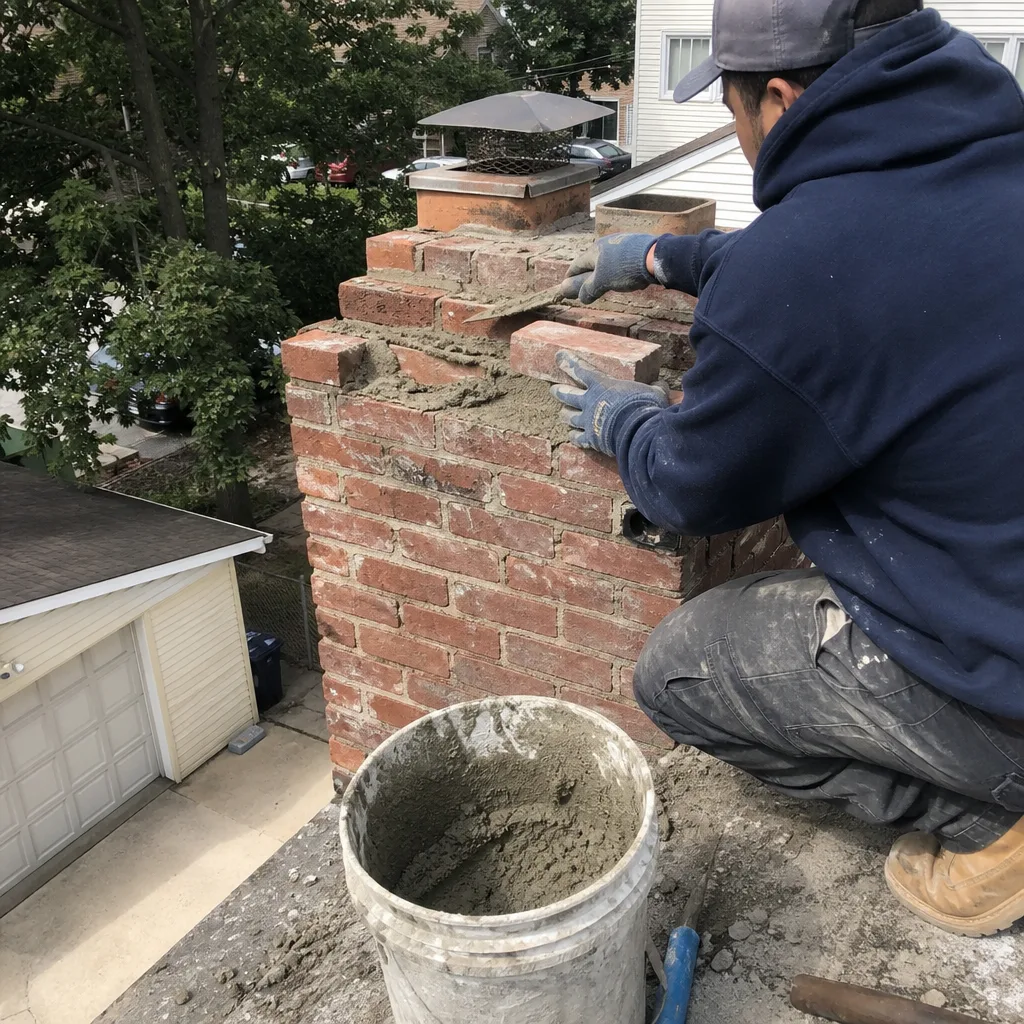
Call for evaluation before your next fire if you identify Stage 2 or 3 creosote, a stuck or damaged damper, visible cracks in the firebox or liner, efflorescence or spalling on exterior brick, or any operational change in draft or odor. After any chimney fire, even one that self-extinguished, professional inspection is mandatory before reuse; the damage may be internal and invisible.
For new Camden homeowners without service history, we recommend establishing baseline documentation regardless of apparent condition. You cannot evaluate change without a starting point.
Level Two Chimney Camden offers free estimates throughout Camden and surrounding communities. Calls are answered live 24 hours a day. Reach us at (856) 741-9572 to schedule your NFPA 211 Level 2 inspection with documented photo record.
Frequently Asked Questions
A complete chimney cleaning with NFPA 211 Level 2 camera inspection in Camden typically ranges from $189 to $325, depending on flue accessibility, creosote stage, and whether chemical pretreatment is required for glazed deposits. Level Two Chimney Camden delivers a written price before any work starts under Haven Standard Clause 1, with no post-arrival upcharges. Call (856) 741-9572 for an exact quote based on your specific flue condition, estimates are free.
You need liner replacement only if the existing liner is damaged, improperly sized, or absent, and only when camera evidence confirms it. We do not recommend liner work without showing you the defect on video. In Camden’s pre-1940 housing stock, unlined brick chimneys are common and require modern stainless steel or cast-in-place liners for safe wood burning, but many gas conversions can operate with properly maintained existing flues. If another company recommends liner replacement, bring us their written quote for a free second opinion with independent camera verification.
Frequency depends on fuel, burn habits, and observable creosote stage, not a fixed calendar. Most Camden wood-burning households need professional evaluation every 12-18 months; clean-burning gas systems can often extend to 24 months. Homes burning unseasoned wood, operating inserts in oversized fireplaces, or with restricted airflow may require more frequent attention. The checklist in this guide lets you assess condition between professional visits.
Skipped maintenance leads to three predictable outcomes: creosote accumulation increases chimney fire risk, moisture intrusion destroys masonry from the top down, and undetected liner damage allows combustion gases including carbon monoxide to enter living spaces. In Camden’s tightly packed rowhouse neighborhoods, a chimney fire can spread to adjacent properties before firefighters arrive. The cost of prevention is consistently lower than the cost of repair or remediation.
Homeowners can safely perform the ground-level checklist in this guide and remove minor Stage 1 soot with proper brushes. However, mechanical removal of Stage 2 or 3 creosote requires equipment and technique that risks flue damage and personal injury without training. More critically, only a camera inspection reveals liner cracks, joint gaps, and hidden deterioration that DIY cleaning cannot address. Professional evaluation remains essential even for diligent DIY maintainers.
A Level 1 inspection is visual, accessible, and non-invasive, appropriate for chimneys with unchanged conditions and continued use. A Level 2 inspection adds internal camera scanning of the flue liner, smoke chamber, and accessible portions of the appliance connection, required for real estate transactions, new appliance installation, or any operational change. Level Two Chimney Camden performs Level 2 as standard on every visit because visual inspection alone misses the defects that cause fires and carbon monoxide exposure. This practice, continuous since 2009, became Clause 4 of the Haven Standard.
The Bottom Line
Effective chimney maintenance in Camden is condition-based, not calendar-driven. Use this checklist to assess creosote stage, component integrity, and exterior water damage yourself, then call for professional camera evaluation when conditions warrant. Document everything, verify your technician’s documentation in return, and never authorize work without written scope and fixed price. The 38,000+ chimneys we’ve serviced since 2009 taught us that informed homeowners make safer decisions and spend less over time. Start with your own inspection this weekend, and call when the checklist tells you to, not when the calendar does. Explore our more guides & resources for additional homeowner support.
Written by Corrine Halstead, Owner at Level Two Chimney Camden, serving Camden since 2009.