
Last updated September 21, 2026
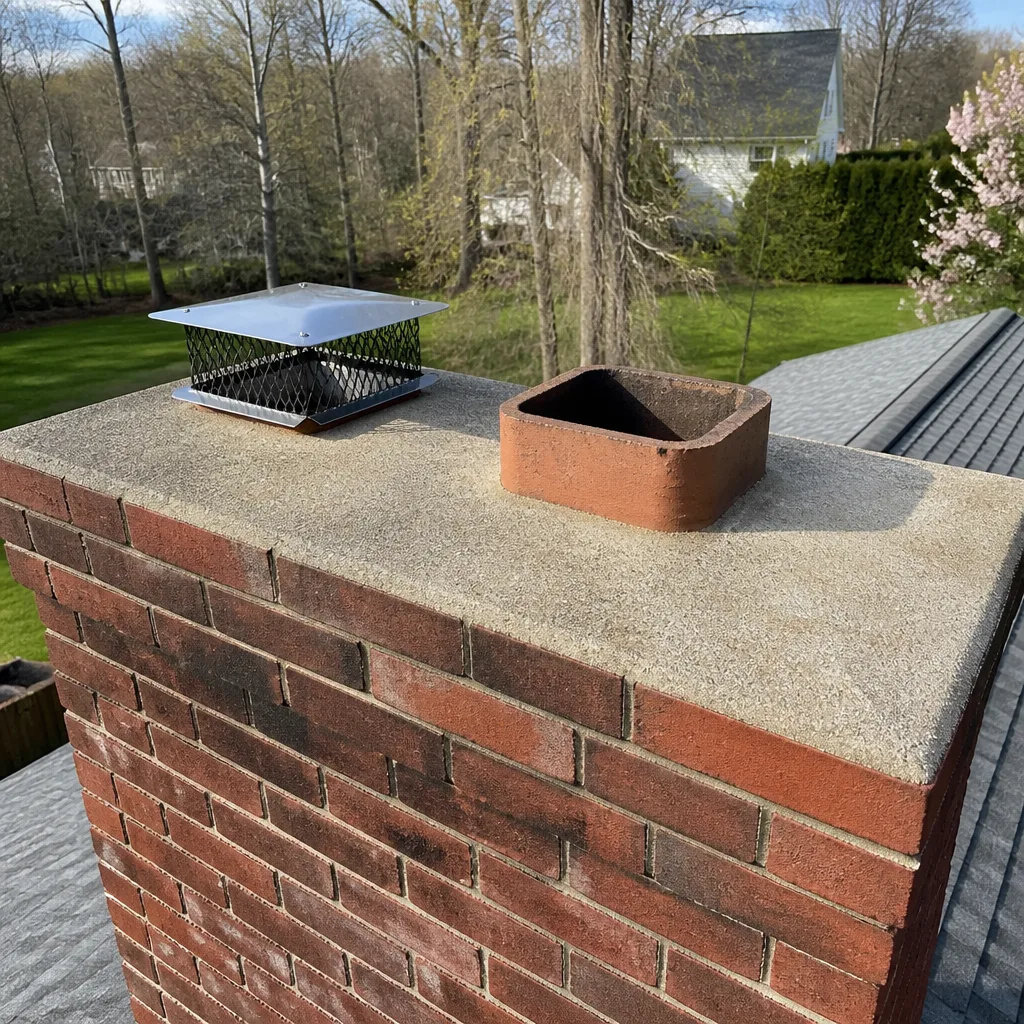
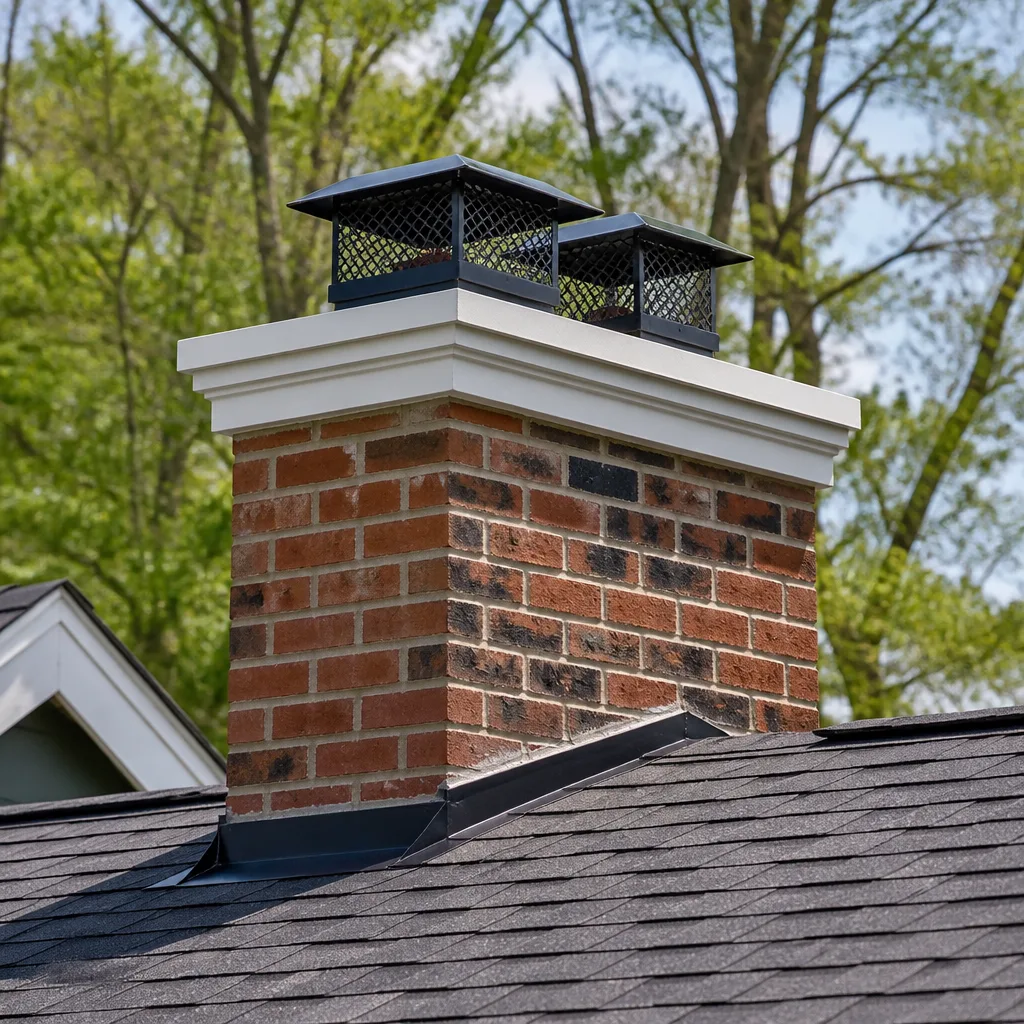
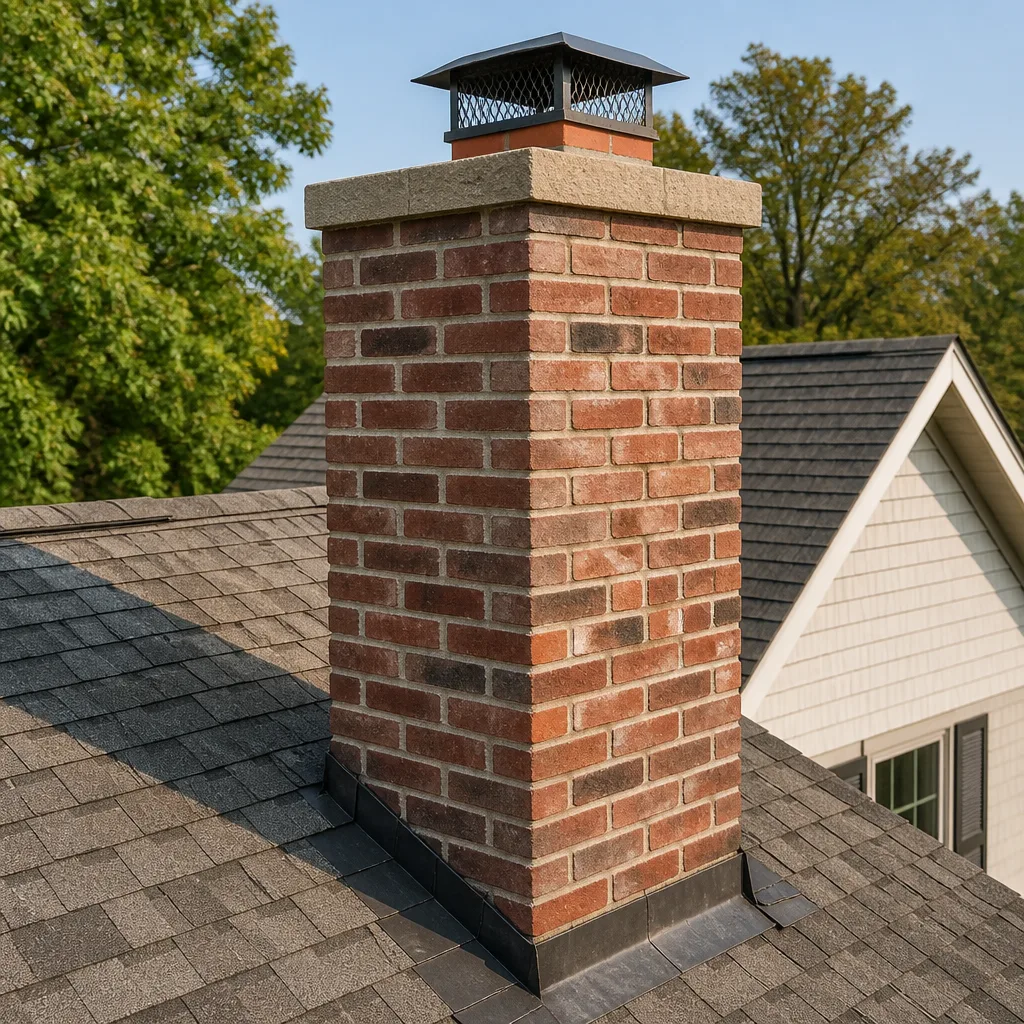
Level 1 sweep and inspection to the NFPA 211 annual standard - flue, crown, cap, and flashing checked and photographed
Chimney sweep logs do not sweep chimneys. They loosen some creosote - which then falls where a brush and vacuum still have to collect it.
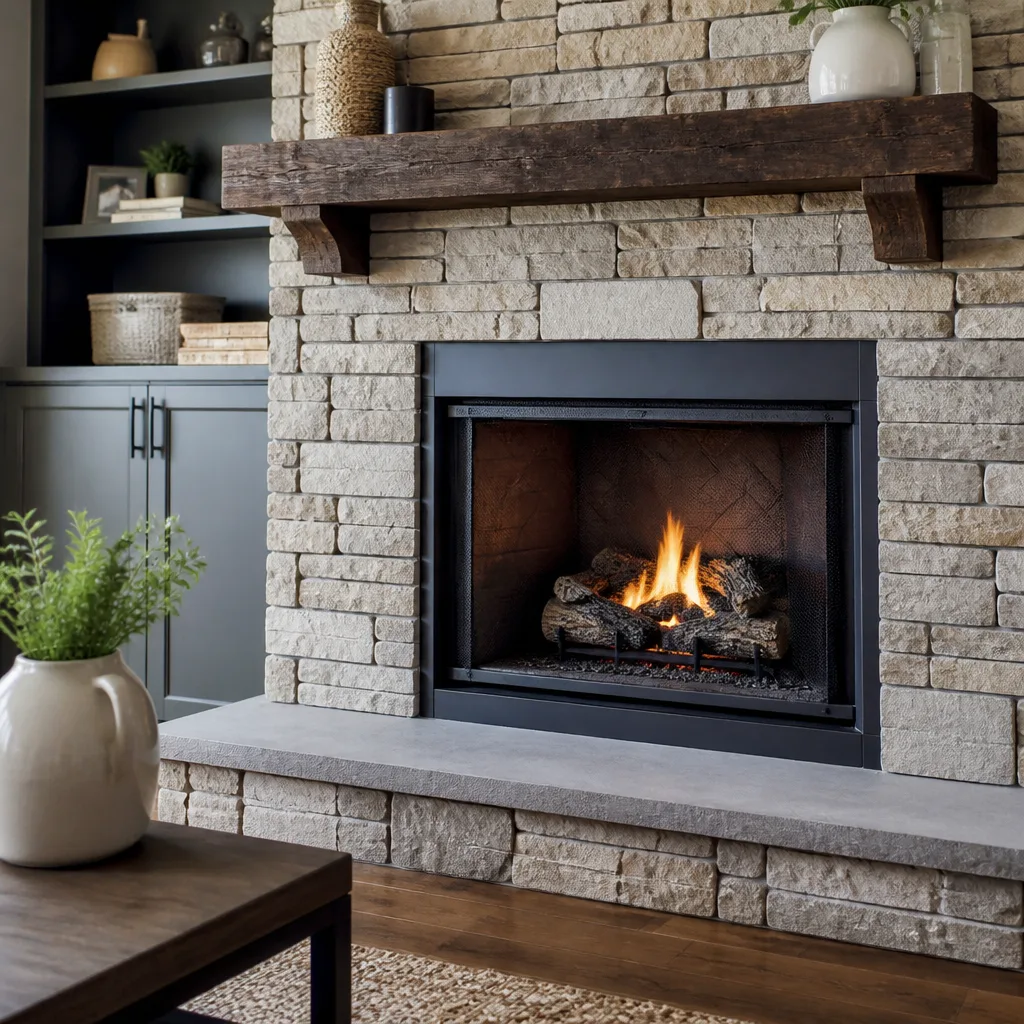
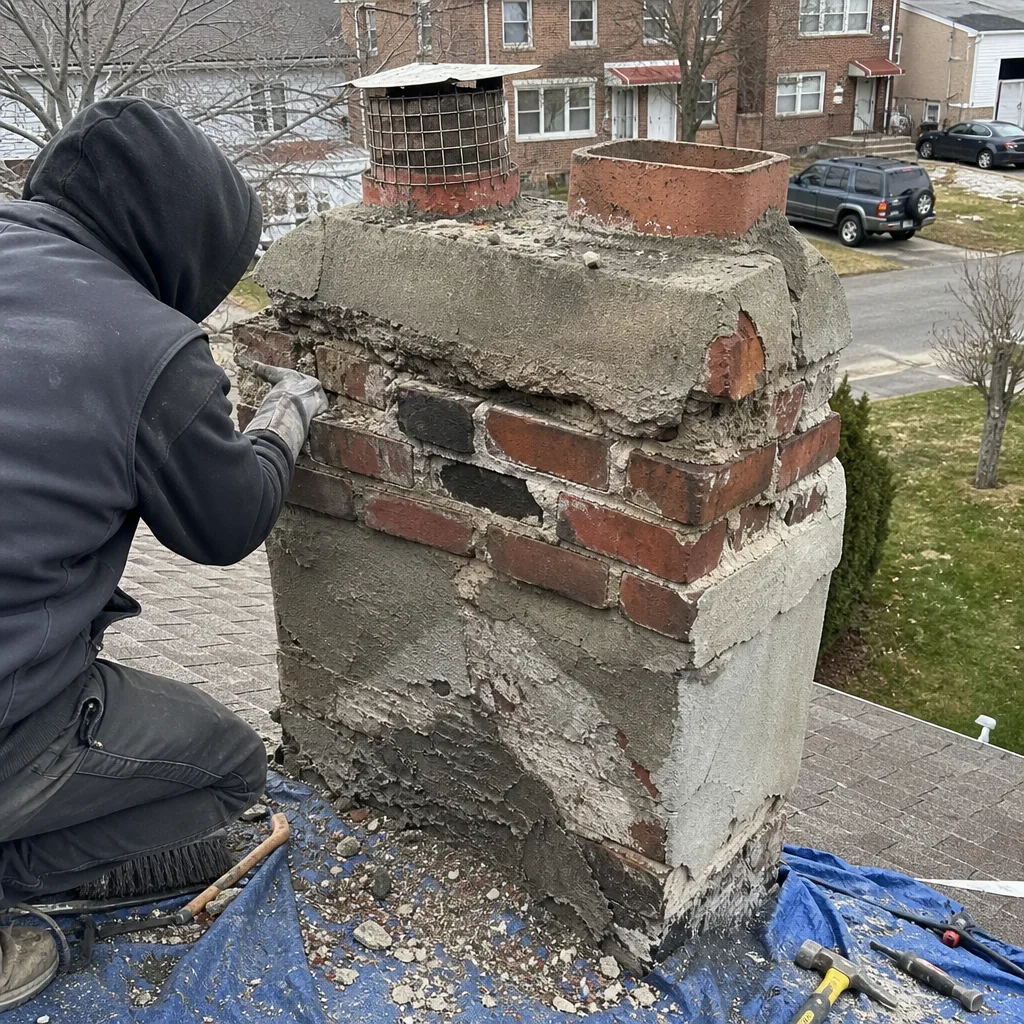 Before
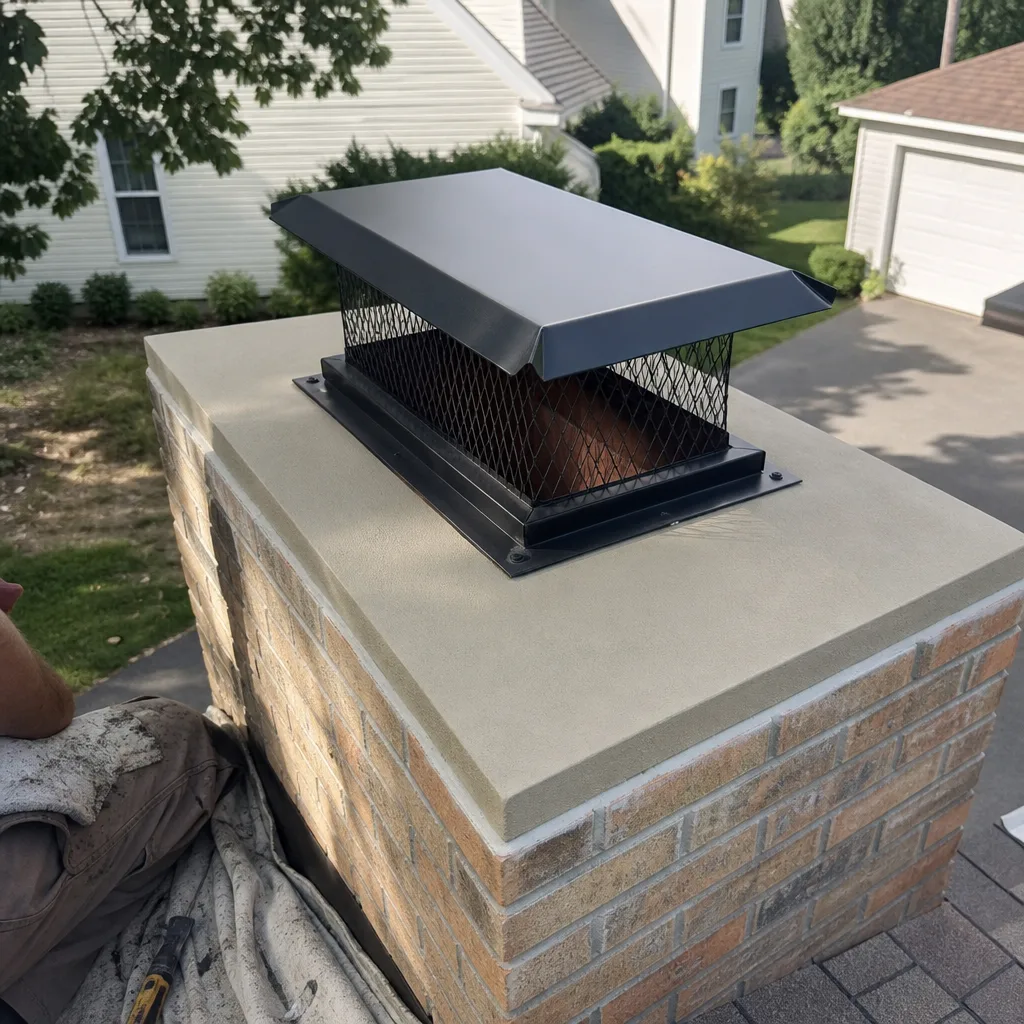 After
After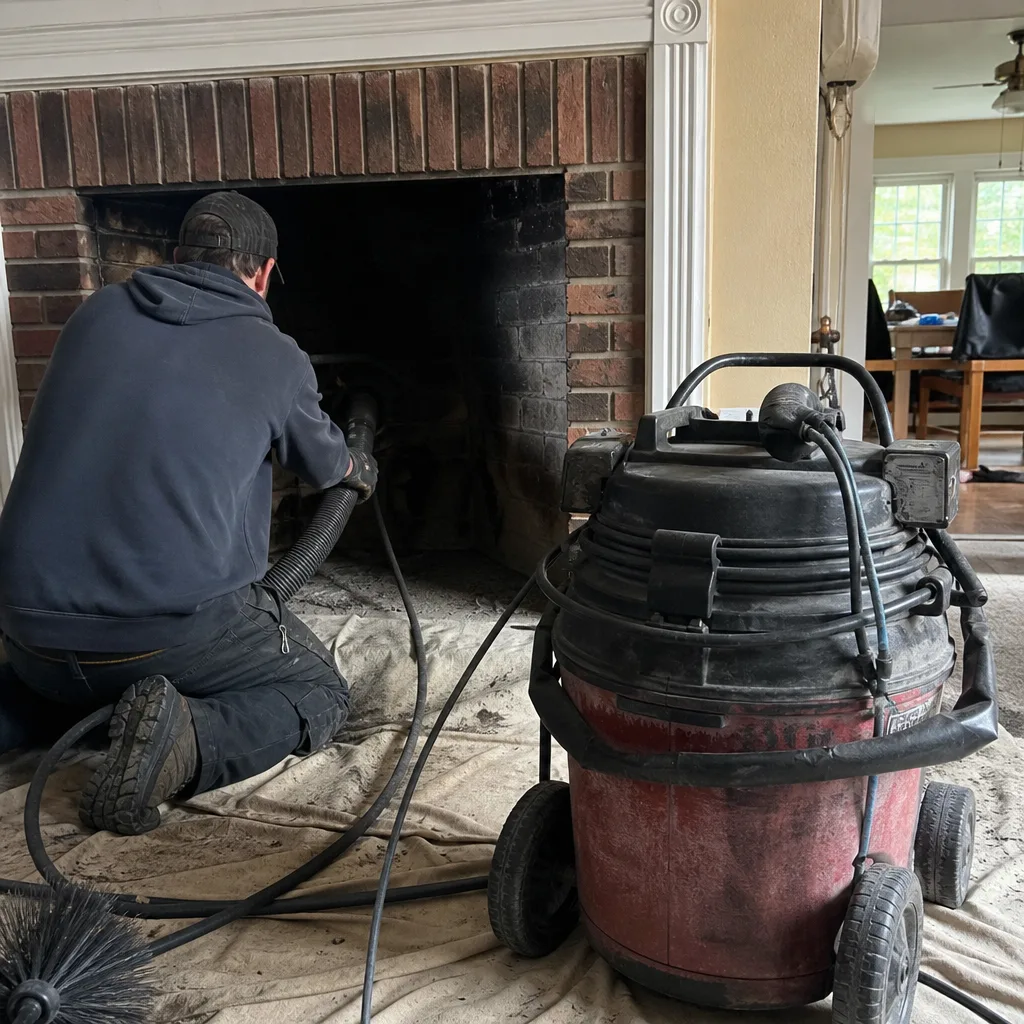 Before
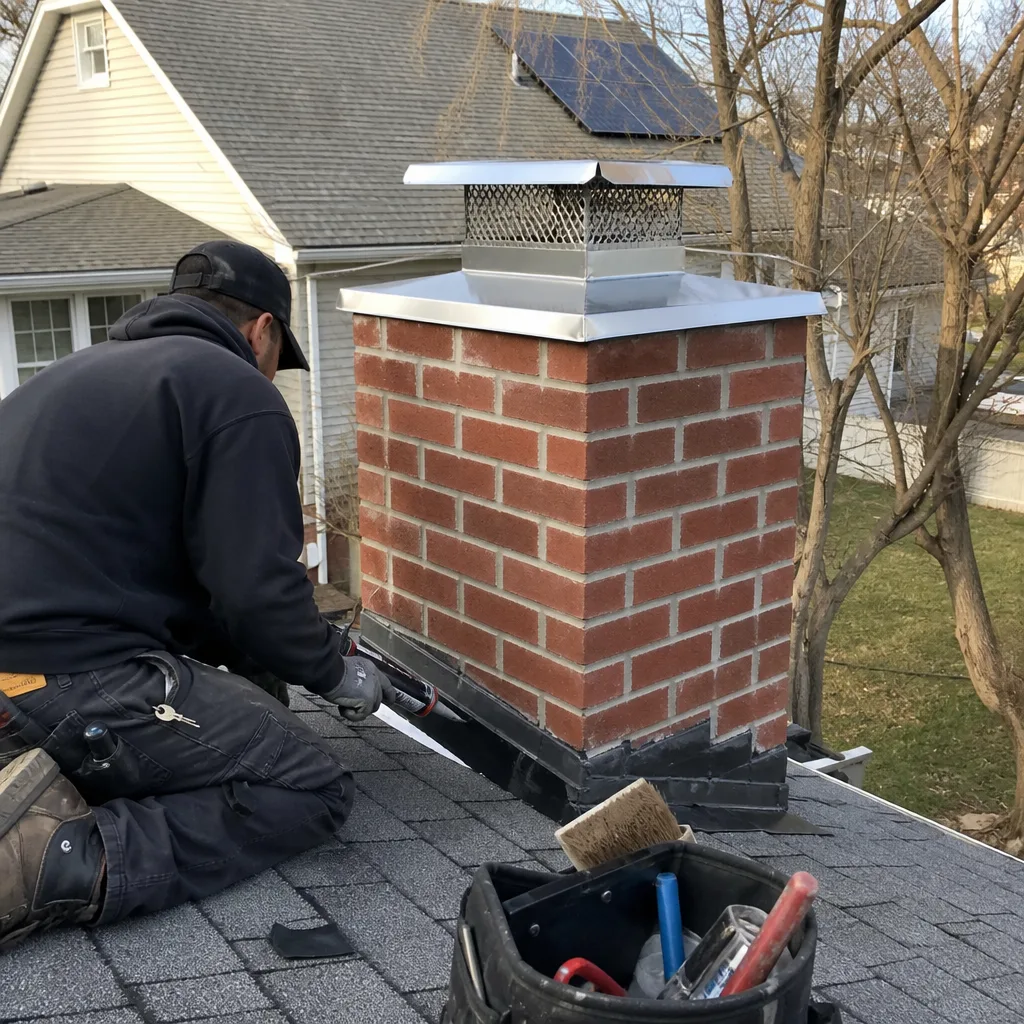 After
After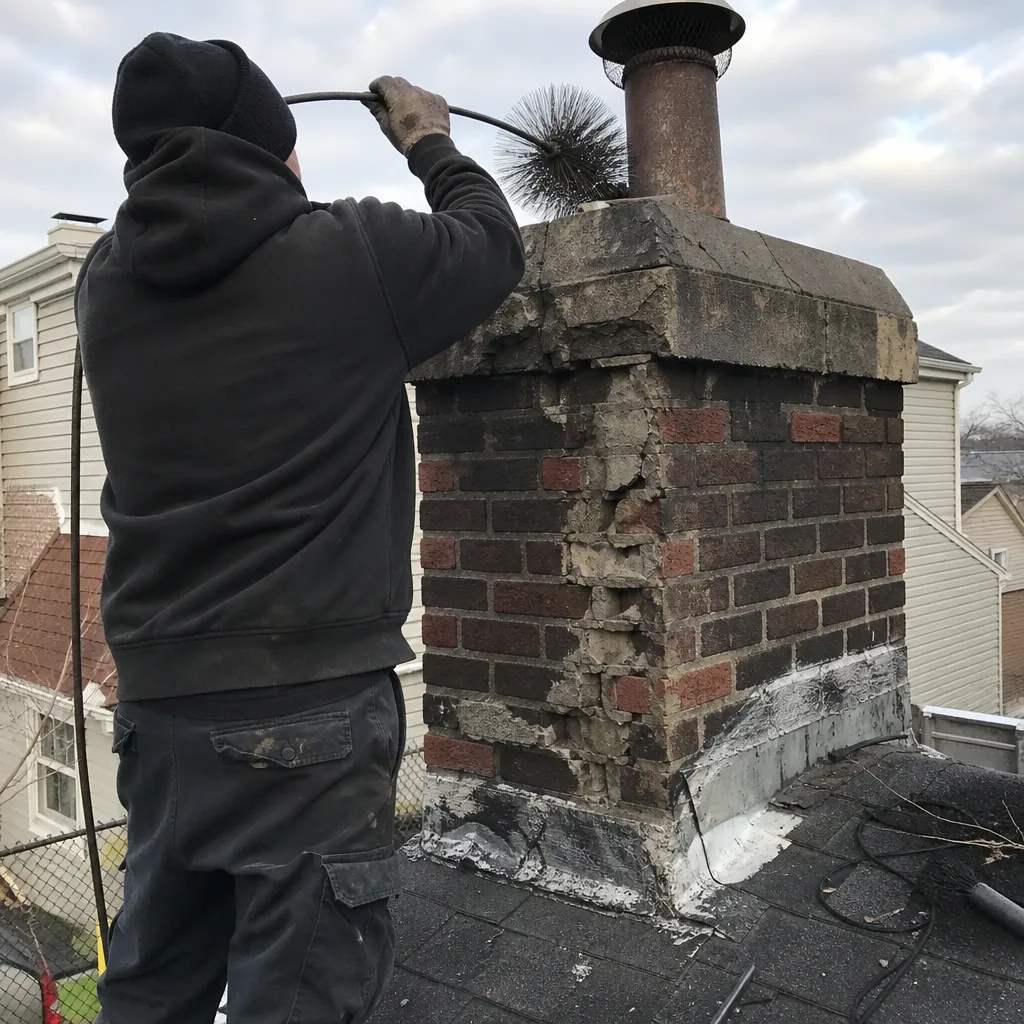 Before
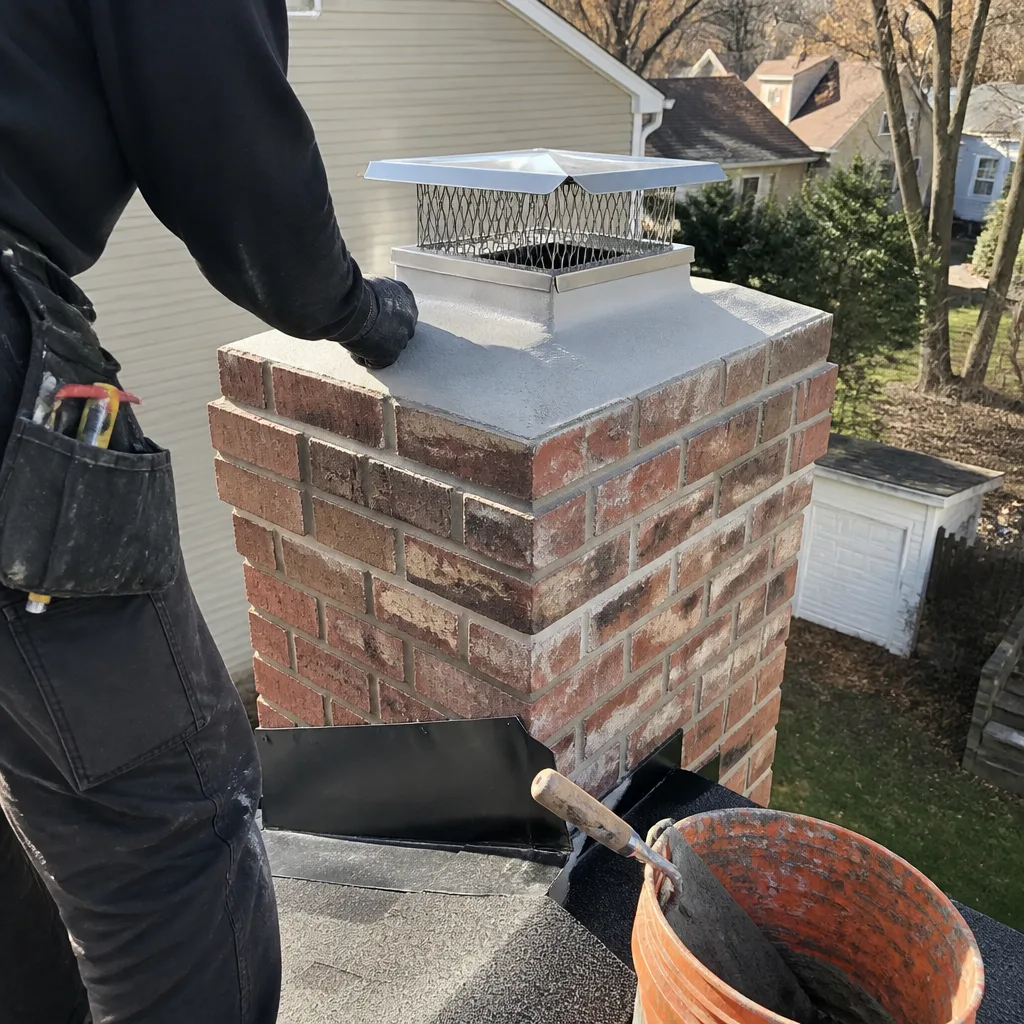 After
AfterDIY vs Professional Chimney Cleaning: The Camden Homeowner’s Decision Guide
The brush kit on Amazon costs $60. What it can’t produce is the before-and-after camera record that your insurance carrier will ask for if you ever file a smoke or fire claim. In Camden, where the housing stock runs heavy on pre-war brick rowhomes and 1960s split-levels with masonry fireplaces, we’ve completed more than 38,000 chimney inspections since 2009. We’ve seen what a homeowner’s brush can reach, and more importantly, what it leaves behind. This guide walks you through exactly when DIY cleaning makes sense, when it doesn’t, and why documentation, not cost, is the real decision point for most Camden homeowners. For how to hire a chimney cleaning contractor in Camden, see our step-by-step guide.
Quick Answer
DIY chimney cleaning is technically possible for Stage 1 (loose, sooty) creosote in a straight, single-story flue with safe roof access - but it produces no documented inspection record that satisfies insurance adjusters, real estate buyers, or the NFPA 211 standard that most Camden insurers reference. Professional cleaning includes a camera-scan inspection, creosote classification, and written documentation that protects your coverage and your home’s resale value. For Stage 2 or Stage 3 creosote, or any flue with bends, offsets, or clay tile liners, DIY brushing is unsafe and can worsen blockages.
Table of Contents
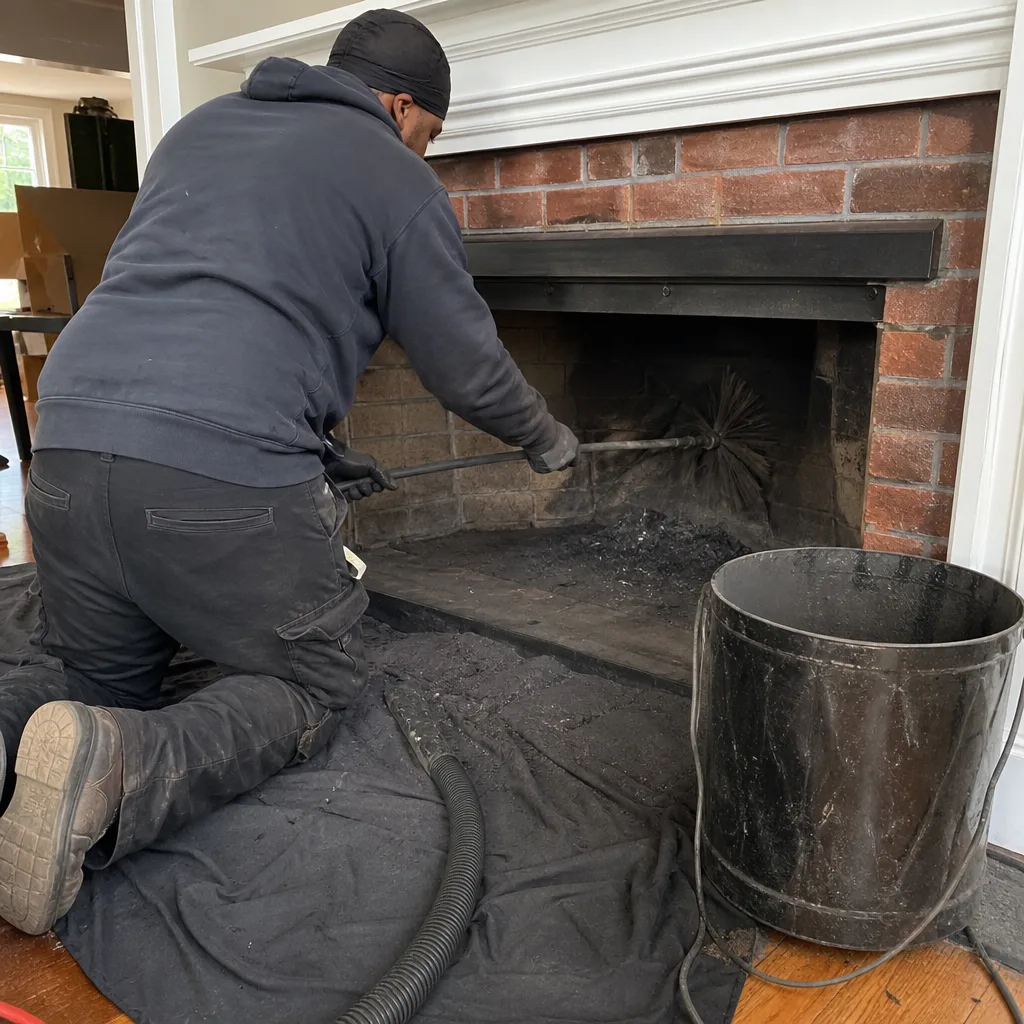
- What DIY Chimney Cleaning Can Actually Accomplish
- What DIY Cleaning Cannot Do: The Four Hard Limits
- Understanding Creosote Stages: The Safety Threshold
- Camden’s Housing Stock: What You’re Actually Working With
- Insurance and Real Estate: The Documentation Problem
- Decision Matrix: Four Variables That Determine Your Best Option
- Cost Comparison: Real Numbers for Camden
- Common Mistakes to Avoid
- When to Call a Professional
- Frequently Asked Questions
- The Bottom Line
 Before
 After
AfterWhat DIY Chimney Cleaning Can Actually Accomplish
Let’s be direct about what a homeowner with a poly brush, extension rods, and a shop vacuum can achieve. In our experience across Camden and the surrounding Camden County market, DIY cleaning works in a narrow set of conditions that cover roughly 15-20% of local housing stock.
Here’s when it can work:
- Straight flue, no offsets: A single vertical run from fireplace to crown, common in some 1960s-70s ranch-style homes in the Cherry Hill and Pennsauken border areas. The brush travels in a straight line; no navigation required.
- Stage 1 creosote only: Loose, powdery, black soot that brushes off easily. This is typical of well-maintained gas fireplaces or wood-burning units cleaned annually with dry hardwood.
- Safe roof access: Low-slope roof, stable footing, clear weather. Camden’s freeze-thaw cycles make roof work hazardous from November through March; we won’t send our own crews up in ice without proper anchoring.
- Metal or stainless flue liner: Smooth interior that releases debris predictably. Clay tile flues can fracture under brush pressure, especially in homes built before 1940 with lime mortar that’s degraded from decades of condensation.
What you can reasonably expect: removal of loose surface deposits, improved draft if creosote was the blockage, and a cleaner firebox. What you will not get: any classification of what was removed, any assessment of flue integrity, any record of what the flue looked like before or after.
We’ve inspected Camden homes where the homeowner brushed diligently every fall for a decade. The flue looked clean to the naked eye from below. Our camera found a cracked tile at the second course, spalling (surface flaking) that had exposed the liner to direct flue gases, and a smoke chamber with corbeling joints that had never been properly parged. The brushing hadn’t caused damage, but it had created a false sense of security that delayed necessary repairs by years.
Chimney Cleaning & Sweep in Camden covers what professional-grade cleaning includes beyond what a homeowner can access.
What DIY Cleaning Cannot Do: The Four Hard Limits
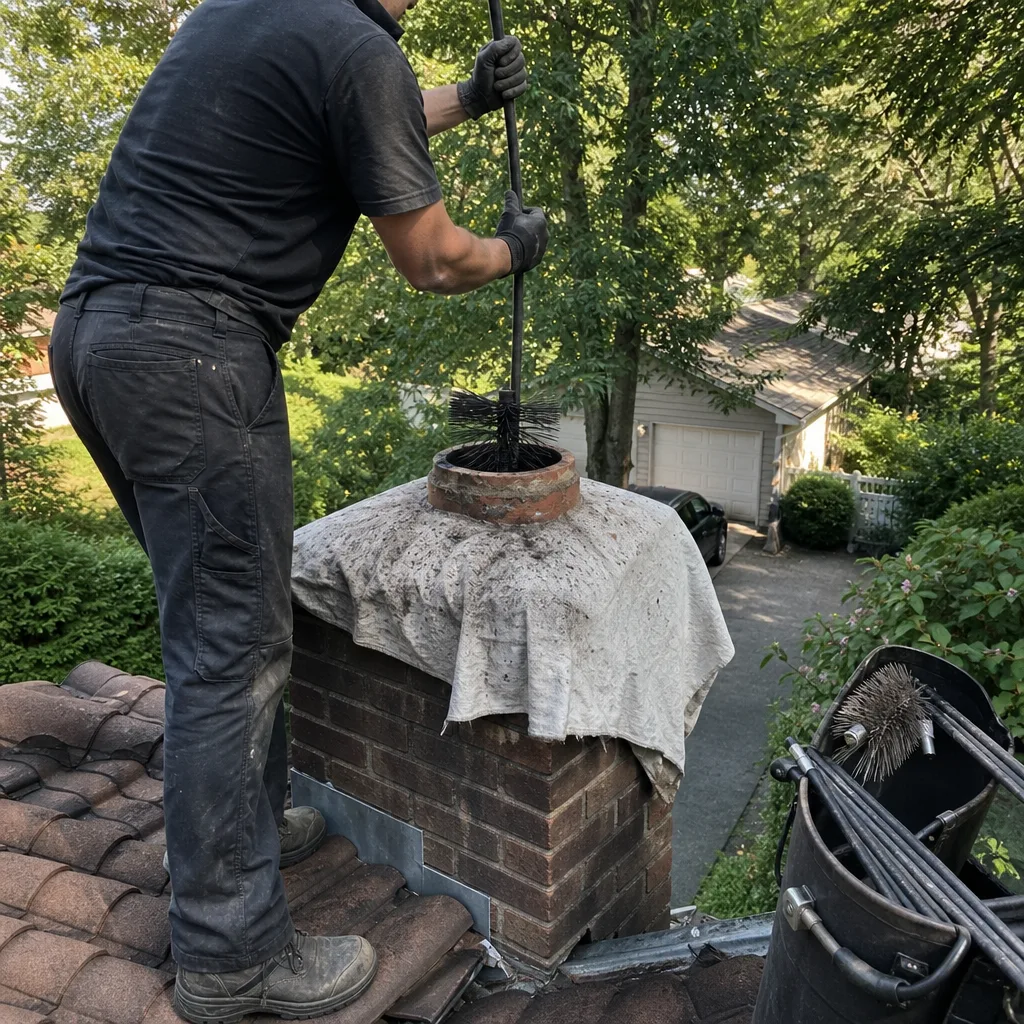
The gap between DIY and professional service isn’t skill or effort. It’s equipment, training, and documentation standards that are invisible until you need them. Here are the four hard limits we encounter in Camden homes.
1. Camera Inspection and Flue Documentation
A professional Level Two Chimney Camden home inspection deploys a high-resolution camera on a flexible rod the full length of the flue. We document every course of tile, every joint, every transition. Under Haven Standard Clause 4, which we’ve followed since 2009, this photo record is included on every visit, not sold as an upgrade. A homeowner with a brush has no camera, no image capture, and no archive. If your insurance company asks for “evidence of maintenance” after a chimney fire, a $60 Amazon receipt is not sufficient documentation.
2. Creosote Classification
Not all creosote is equal. NFPA 211 recognizes three stages:
- Stage 1: Loose, sooty, brushes off easily. DIY removal is possible.
- Stage 2: Shiny, hard, tar-like flakes. Requires chemical treatment before brushing; mechanical removal alone can dislodge chunks that obstruct the flue.
- Stage 3: Glazed, hardened, often glossy. Extremely combustible. Requires professional-grade chemical treatment, sometimes multiple applications, and specialized rotary equipment. Brushing Stage 3 creosote with a homeowner’s kit is dangerous; it can glaze further or create blockages that force carbon monoxide back into living spaces.
We’ve found Stage 3 creosote in Camden rowhomes where the homeowner burned softwood or unseasoned logs, unaware that the glossy black coating was not normal soot but a concentrated fuel load. No brush kit identifies this. Only camera inspection and trained observation do.
3. Smoke Chamber and Firebox Assessment
The smoke chamber, the area above the firebox that funnels gases into the flue, is where many chimney fires begin. Its walls should be smooth (pared) to prevent turbulence and creosote accumulation. In Camden’s older housing, we regularly find corbeling (stepped brickwork) with degraded mortar joints that create ledges where creosote collects. A brush never reaches this area properly. A camera inspection does.
4. Structural and Liner Integrity
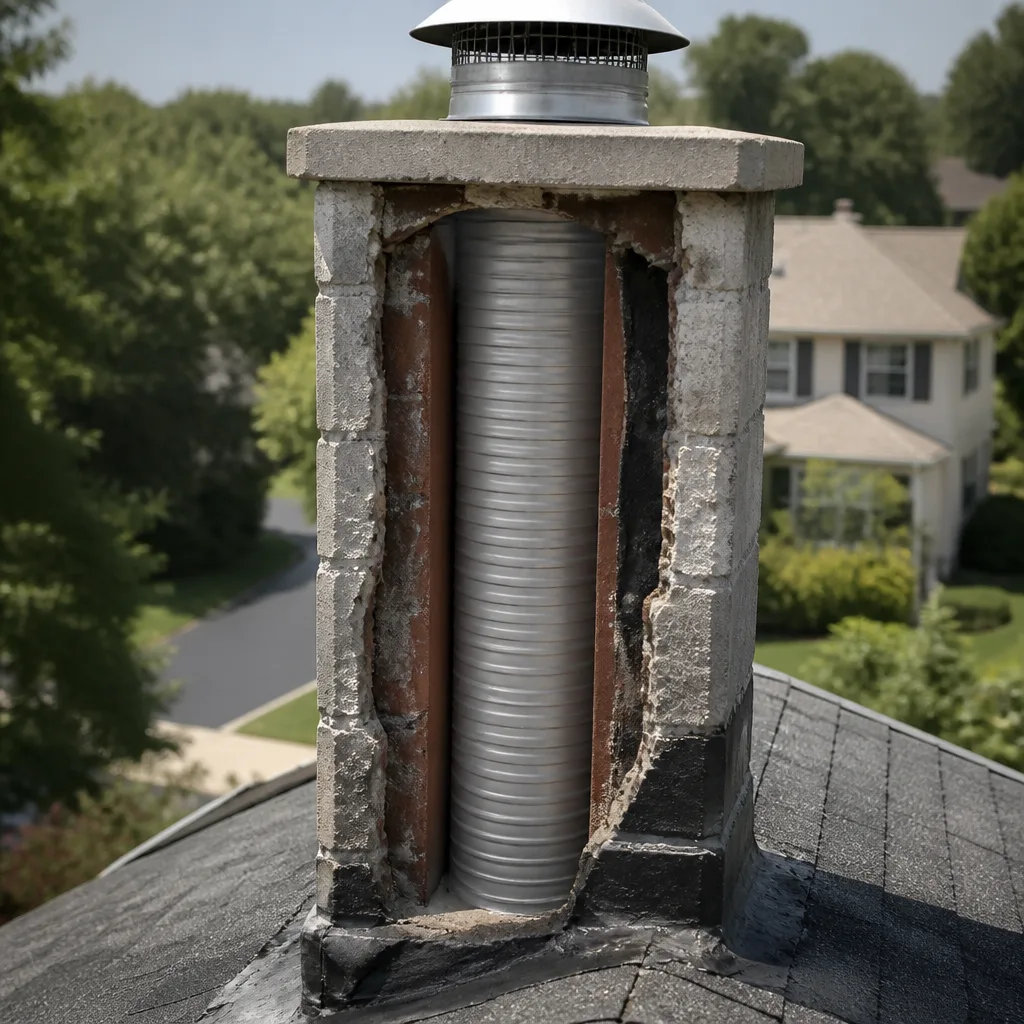
Clay tile liners crack from thermal shock, freeze-thaw cycling, or settling. In Camden’s climate, with summer humidity and winter temperatures that drop below 20°F, thermal expansion stresses are significant. A cracked liner exposes the masonry to acids and heat that degrade the chimney structure. A brush won’t find this. A camera does. And a documented finding with photos is what triggers an insurance-covered repair versus an out-of-pocket expense.
Chimney Repair in Camden addresses what happens when inspection finds damage that cleaning alone cannot fix.
Understanding Creosote Stages: The Safety Threshold
Seasonal chimney cleaning care for Camden matters because creosote formation depends on fuel moisture, burn temperature, and flue design. Camden’s older homes with exterior masonry chimneys (common in Cramer Hill and North Camden) run cooler than interior chimneys, which increases creosote accumulation. The Delaware River humidity doesn’t help; moist combustion air means incomplete burning and more deposits.
Here’s how to recognize what you’re dealing with, and why the stage matters for your decision:
| Stage | Appearance | DIY Viable? | Professional Action |
|---|---|---|---|
| Stage 1 | Loose, black, sooty; wipes off with finger | Yes, in straight flues | Brush and vacuum; camera confirm |
| Stage 2 | Hard, shiny flakes; brittle, breaks like obsidian | No | Chemical treatment, then rotary cleaning |
| Stage 3 | Glazed, glossy, rock-hard; may be brown or black | No - dangerous | Multiple chemical applications, rotary chains, possible liner replacement |
The critical safety point: Stage 2 and Stage 3 creosote cannot be safely removed with homeowner equipment. Attempting to brush glazed creosote can polish it to a harder glaze, or break off chunks that fall and block the flue. A blocked flue in a heating season, with a furnace or water heater also venting into the chimney, is a carbon monoxide hazard. We’ve responded to emergency calls in Camden’s Whitman Park and Centerville neighborhoods where a blocked flue sent CO levels to dangerous thresholds.
Professional sweeps use products from suppliers like Olympia Chimney and Gelco for chemical treatment, applied with controlled dwell times and followed by rotary chains or whips that break the treated creosote without damaging the liner. This is not a process that translates to consumer tools.
Camden’s Housing Stock: What You’re Actually Working With
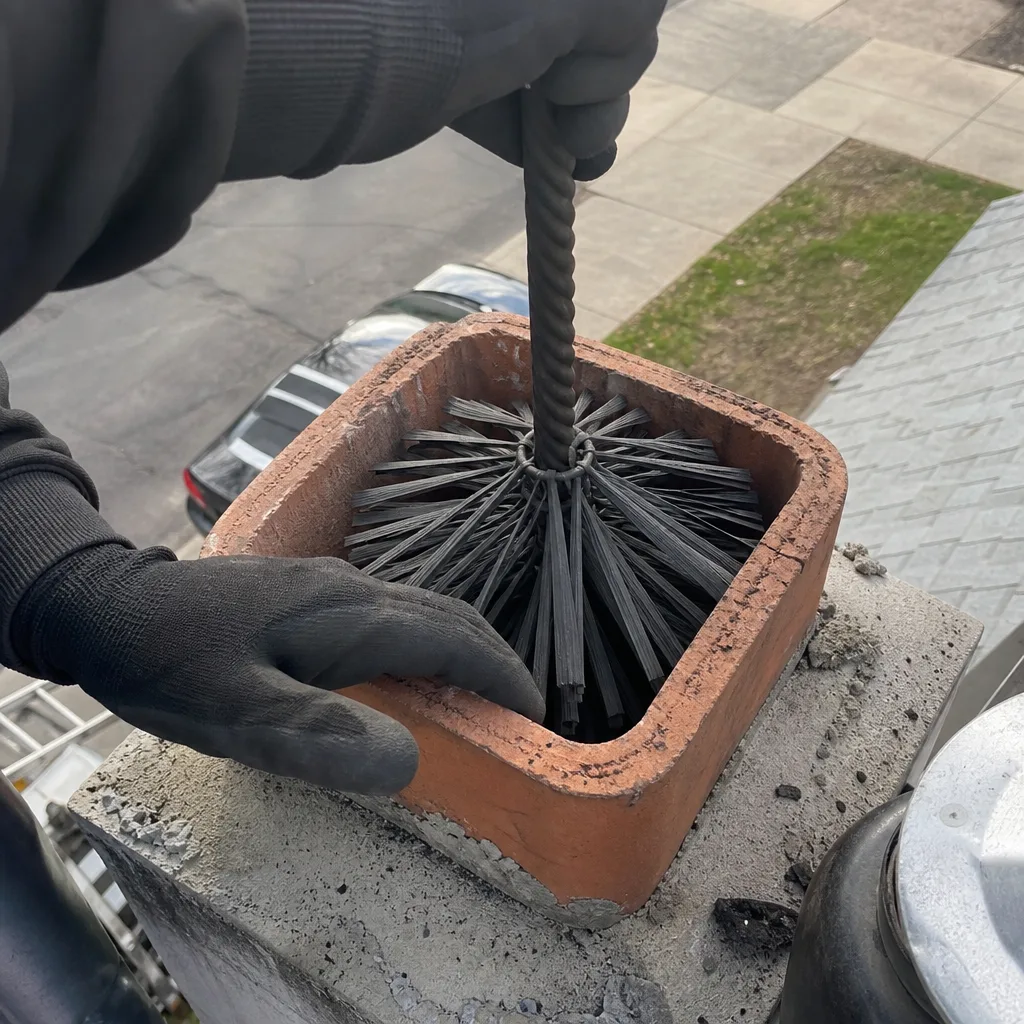
Camden’s built environment determines what’s realistic for DIY cleaning more than any other factor. Here’s what we encounter:
Pre-war brick rowhomes (1910-1940): Concentrated in Cramer Hill, North Camden, and the waterfront wards. These have clay tile liners, often 8×8 or 8×12, with lime mortar that’s soft and degradable. The flues are straight but the liners are old. Roof access requires navigating parapet walls or steep-pitched roofs with slate or asbestos shingles. We’ve found cracked tiles in roughly 40% of these properties during initial inspection. DIY brushing risks enlarging existing cracks or dislodging spalled tile fragments.
1960s-70s split-levels and ranches: Found in the suburban-style sections near Pennsauken and Collingswood borders. Often have metal factory-built chimneys or stainless liners. Lower rooflines, simpler access. These are the most plausible candidates for DIY maintenance, assuming Stage 1 creosote and safe ladder placement. Even here, though, the factory-built chimney needs inspection for joint separation and chase cover integrity, which a brush kit doesn’t address.
Post-1980s construction: Less common in Camden proper, more in surrounding Camden County. Factory-built fireplaces with listed clearances and metal chimneys. The manual specifies annual inspection; DIY cleaning may void the warranty if not performed to manufacturer specifications.
Converted heating appliance venting: Common in Camden’s older housing where original coal fireplaces were converted to gas inserts or where furnaces were retrofitted to vent through existing chimneys. These configurations often have sizing mismatches, inadequate liners, or multiple appliances sharing a flue. No scenario here is appropriate for DIY intervention.
Our assessment: the “DIY-viable” profile - straight flue, Stage 1 creosote, safe access, modern metal liner - describes perhaps 15-20% of Camden’s housing stock. For the other 80-85%, professional service isn’t a luxury; it’s the only path to safe, documented maintenance.
Fireplace Services in Camden covers conversion, insert, and factory-built system work.
Insurance and Real Estate: The Documentation Problem
This is where the $60 brush kit reveals its true cost. Camden homeowners rarely think about chimney documentation until they need it. Then it’s too late to produce.
Insurance Claims
After a chimney fire or smoke damage, your insurer will ask for evidence of maintenance. Specifically, they’ll want:
- Dated service records from a qualified technician
- Documentation of what was found and what was done
- Proof that the chimney was in safe condition before the incident
A receipt for a brush kit proves purchase, not performance. A photo of your sooty hands proves nothing. What satisfies an adjuster is a written inspection report with camera images, creosote classification, and a technician’s signature. Under Haven Standard Clause 4, every Level Two Chimney Camden visit produces this record automatically. We’ve had Camden homeowners bring us their documentation for claim support years after service; the archive is maintained.
More critically: if inspection finds a pre-existing condition that contributed to the loss (cracked liner, missing cap, deteriorated crown), and you have no record of professional assessment, the insurer may deny coverage for “failure to maintain.” We’ve seen this outcome. It’s preventable.
Real Estate Transactions
Camden’s housing market has active turnover, with first-time buyers common in the $150,000-$280,000 range for rowhomes and small singles. Buyer’s inspectors routinely check chimneys. When they find creosote buildup, liner damage, or missing caps, the buyer demands a professional sweep and inspection with documentation.
If you’re the seller and your only “maintenance” is self-performed brushing, you have no documentation to offer. The buyer’s inspector will recommend professional service regardless. You’ll pay for it under transaction pressure, without the leverage of time to compare options. Worse, if damage is found, you’re now negotiating repairs with a buyer who has inspection evidence and you have none.
We’ve provided pre-listing inspections for Camden sellers who wanted documentation in hand before the buyer’s inspector arrived. This is strategic positioning, not just maintenance. A written report with camera images, produced by a recognized provider, becomes a negotiable asset rather than a discovered liability.
Decision Matrix: Four Variables That Determine Your Best Option
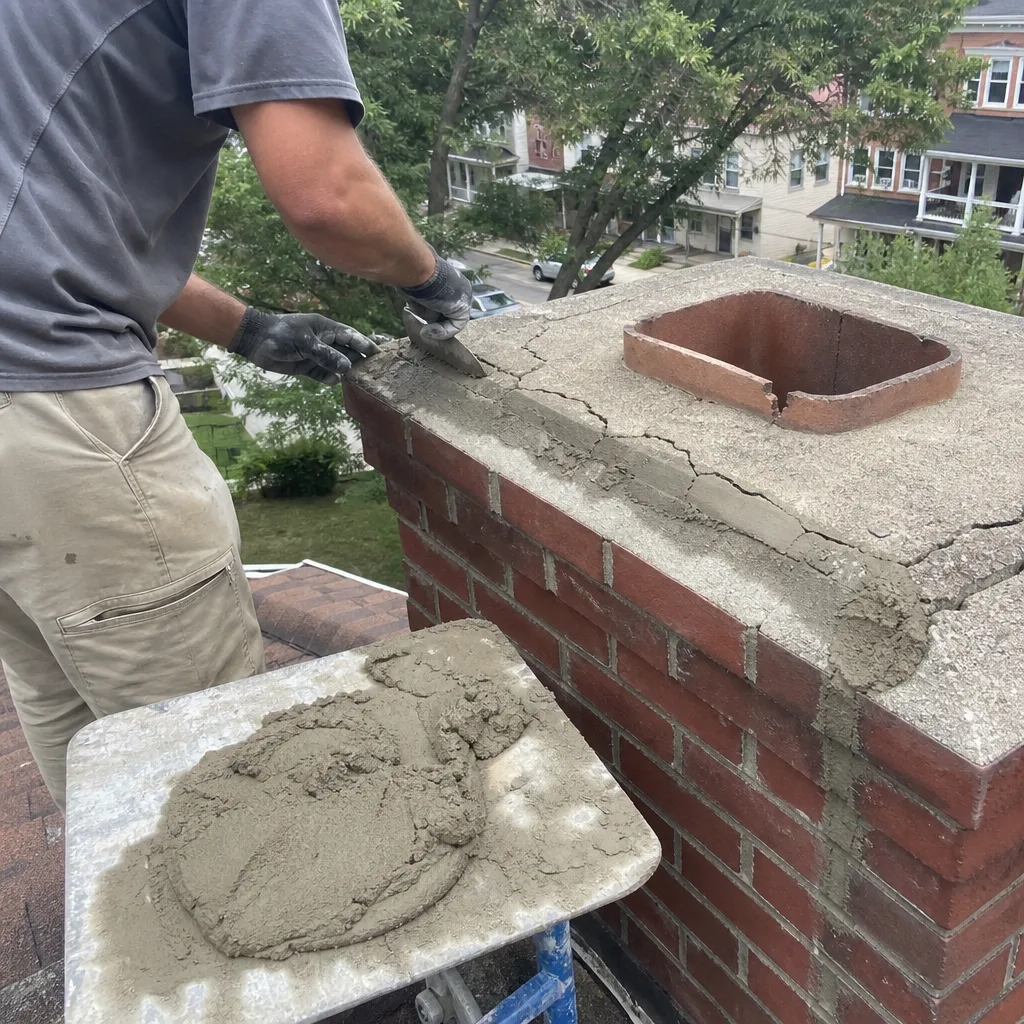
Use this framework honestly. “Yes” to all four leans DIY; “No” to any one pushes toward professional service.
| Variable | DII-Favorable | Professional Required |
|---|---|---|
| Flue type and path | Straight vertical, no offsets, metal or stainless liner | Clay tile, multiple bends, offset connections, shared flue |
| Creosote stage | Stage 1 only: loose, sooty, brushes off easily | Stage 2 or 3; unknown stage; first cleaning in 2+ years |
| Documentation need | No insurance requirement, no planned sale, no warranty terms | Insurance policy requires professional maintenance; home sale anticipated; factory warranty active; rental property |
| Roof access | Low slope, stable surface, clear weather, proper ladder | Steep pitch, parapet wall, slate/asbestos shingles, height over 20 feet, winter conditions |
Our observation from 38,000+ inspections: most Camden homeowners who consider DIY fall into the “two yes, two no” category. They have a straight flue but unknown creosote stage. Or they have Stage 1 creosote but need documentation for insurance. The matrix clarifies that “partial match” still means professional service for safe, complete maintenance.
Cost Comparison: Real Numbers for Camden
We name prices because “call for a quote” wastes your time and ours. Here’s what Camden homeowners actually spend, with a full chimney cleaning cost breakdown for 2026:
| Service / Item | Typical Cost Range | What It Includes |
|---|---|---|
| DIY brush kit (online) | $45-$85 | Poly brush, 3-6 extension rods, basic instructions |
| DIY supplemental tools | $30-$75 | Shop vacuum with HEPA filter, drop cloths, dust mask, ladder stabilizer |
| Professional chimney sweep with Level 1 inspection | $175-$275 | Brush cleaning, visual inspection, basic documentation |
| Professional sweep with Level 2 camera inspection | $275-$425 | Full cleaning, camera-scan documentation, written report, photo record |
| Chemical treatment for Stage 2/3 creosote | $150-$300 additional | Application, dwell time, follow-up cleaning with rotary equipment |
The price gap between DIY and professional service is $200-$350 for documented, inspected maintenance. Spread over a recommended annual cycle, that’s $17-$29 per month. For that, you receive:
- NFPA 211 Level 2 camera inspection with documented photo record (Haven Standard Clause 4)
- Creosote stage classification and appropriate treatment
- Written scope, written price, written warranty before work begins (Haven Standard Clause 1)
- 365-Day Done Right Promise: if it’s not done right, we make it right
- Archive of findings for insurance or real estate use
Materials for repairs, when needed, come through our buying network with HeatShield, Famco, and other suppliers, priced without retail markup. We disclose this because “honest prices” is the point of the Haven Standard, not a slogan.
Free Second Opinion on any written estimate: bring us a competitor’s quote. We’ll review it against what we find, no charge.
Common Mistakes to Avoid
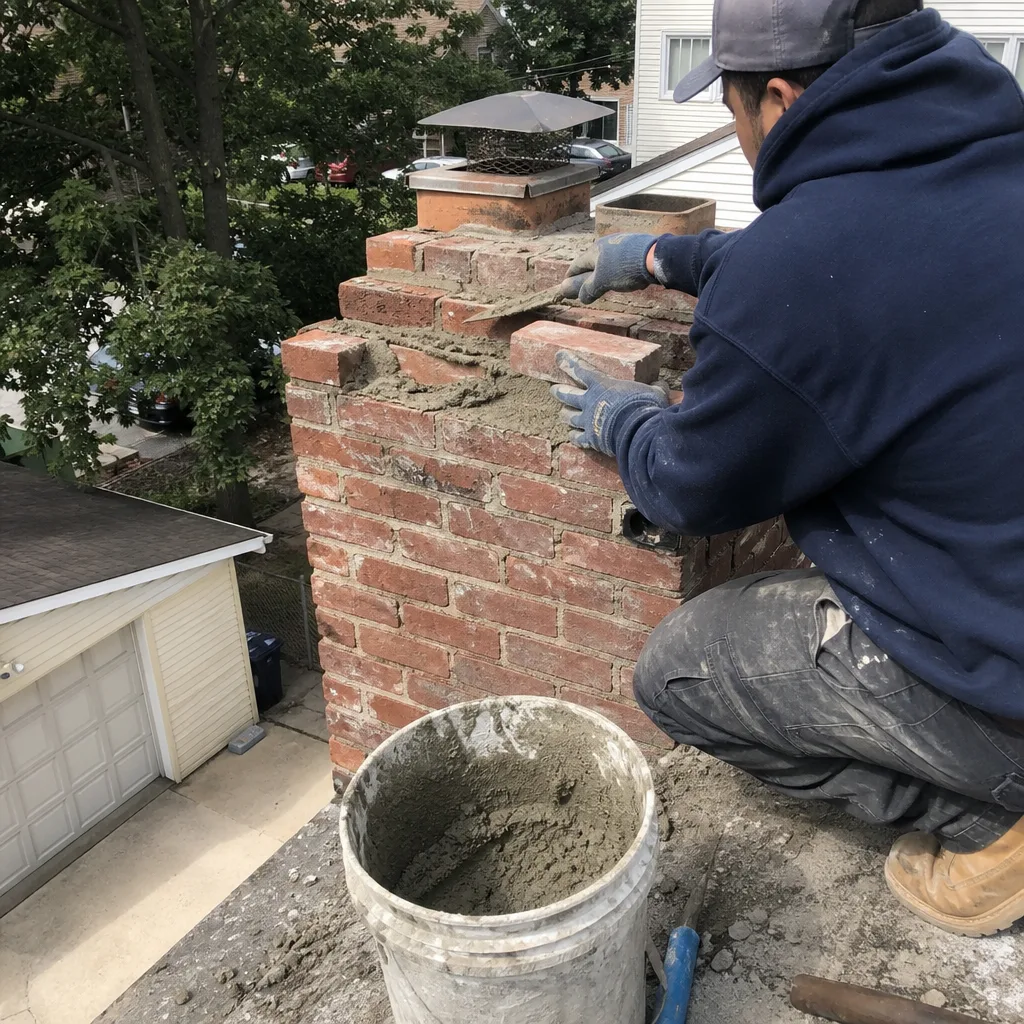
- Brushing without inspecting first. In Camden’s older housing, we’ve found bird nests, collapsed liner sections, and even active bee colonies that a brush would disturb dangerously. Always inspect before cleaning; this is why NFPA 211 sequences inspection before sweep.
- Assuming black soot means Stage 1 creosote. Stage 3 glazed creosote can appear black and glossy; brushing it without chemical pretreatment risks glazing it harder or creating dangerous blockages.
- Using a brush oversized for the flue. A brush too large for a clay tile liner can wedge, fracture tiles, or lodge so firmly that professional extraction is required. We’ve retrieved homeowner brushes stuck 15 feet up a flue in Cramer Hill rowhomes.
- Neglecting the smoke chamber and firebox. The flue is only part of the system. Creosote accumulation in the smoke chamber, where temperatures are highest, is a common fire origin point. No homeowner brush reaches this effectively.
- Cleaning without checking cap and crown condition. Camden’s freeze-thaw cycles degrade crowns rapidly. A clean flue with a cracked crown will refill with debris and water damage within a season. Professional inspection includes this assessment.
- Assuming gas fireplaces need no inspection. Gas appliances produce corrosive condensation and can vent into deteriorated liners. We’ve found blocked gas flues in Camden homes where the homeowner assumed “gas is clean” and skipped inspection for years.
- Working on roofs in winter without proper anchoring. Camden’s January temperatures and frequent icing make roof work hazardous. We’ve seen homeowners slip on frost-coated shingles. If you wouldn’t send an employee up there without harnessing, don’t send yourself.
When to Call a Professional
Call a professional sweep when: your flue has any offset or bend; you haven’t had professional inspection in two years; you’re burning softwood or unseasoned wood; you see shiny or glazed deposits; your chimney serves a heating appliance (furnace, boiler, water heater); you’re preparing to sell or refinance; your insurance policy requires documented maintenance; or you lack safe, stable roof access.
Level Two Chimney Camden offers free estimates in Camden - call (856) 741-9572. Every estimate includes a written price, written scope, and written warranty before any work begins. Camera-scan inspection and documented photo record are standard on every visit, not optional. Background-checked, uniformed technicians. Live person answers the phone, 24 hours a day.
Frequently Asked Questions
A professional chimney sweep with Level 2 camera inspection in Camden typically runs $275-$425, depending on flue accessibility, creosote stage, and whether chemical pretreatment is needed for glazed deposits. A basic sweep with Level 1 visual inspection starts around $175-$275. We deliver a written price before any work starts, with no surprise add-ons. Call (856) 741-9572 for an exact quote - estimates are free.
You can remove loose Stage 1 creosote from a straight, accessible flue if you have proper equipment and safe roof access. What you cannot do is classify the creosote stage, inspect liner integrity, assess smoke chamber condition, or produce documentation that satisfies insurance or real estate requirements. For most Camden homes, especially pre-war rowhomes with clay tile liners, professional service is the safer and more complete option. Explore more guides & resources on chimney maintenance and home safety.
NFPA 211 recommends annual inspection for all chimneys, with cleaning frequency determined by creosote accumulation. In Camden’s climate, with humid summers and cold winters that encourage condensation, we find that wood-burning fireplaces used regularly need sweeping every 1-2 cords of wood burned, typically annually. Gas appliance flues should be inspected annually for condensation damage and blockages, though cleaning needs are less frequent. Rental properties and homes with frequent use may need more frequent service.
Skipped maintenance allows creosote to progress from Stage 1 to Stage 2 or 3, increasing fire risk and making removal more expensive. In Camden’s older housing, deferred maintenance also means undetected liner damage, crown deterioration, or water infiltration that compounds repair costs. We’ve inspected chimneys where five years of neglect turned a $300 sweep into a $3,000 liner replacement. The documented inspection catches problems while they’re still manageable.
You need a new liner when the existing one is cracked, spalled, or improperly sized for the appliance it serves - conditions that cleaning cannot fix. We never recommend liner replacement without camera evidence you can see yourself. If inspection shows intact tile with minor spalling, parging (smoothing) the smoke chamber and continued monitoring may suffice. If the liner is cracked or the flue is unlined masonry, replacement with a stainless steel liner from Olympia Chimney or similar is necessary for safe operation. The camera record shows you exactly why.
Many Camden-area insurers require “professional maintenance” or “qualified technician service” for chimney-related coverage, though policy language varies. After a loss, adjusters routinely request service records with technician credentials and scope documentation. Self-performed cleaning without professional inspection and written record rarely satisfies this requirement. If you’re unsure of your policy terms, we can review what documentation standard applies and ensure our service meets it.
The Bottom Line
The $60 brush kit can handle Stage 1 creosote in a straight, accessible flue - a profile that fits perhaps 15-20% of Camden’s housing stock. For everything else, and for the documentation that protects your insurance coverage and resale value, professional service is the only complete solution. The real cost of DIY isn’t the brush; it’s the gaps it leaves: no camera inspection, no creosote classification, no written record, and no recourse if something goes wrong.
Since 2009, Level Two Chimney Camden has completed more than 38,000 inspections and cleanings, every one with a written price before work started and a documented photo record on completion. The Haven Standard requires this. Our customers benefit from it.
Call (856) 741-9572 for a free estimate. Written price, written scope, written warranty - always, before any work begins.
Written by Corrine Halstead, Owner at Level Two Chimney Camden, serving Camden since 2009.