
Last updated September 21, 2026
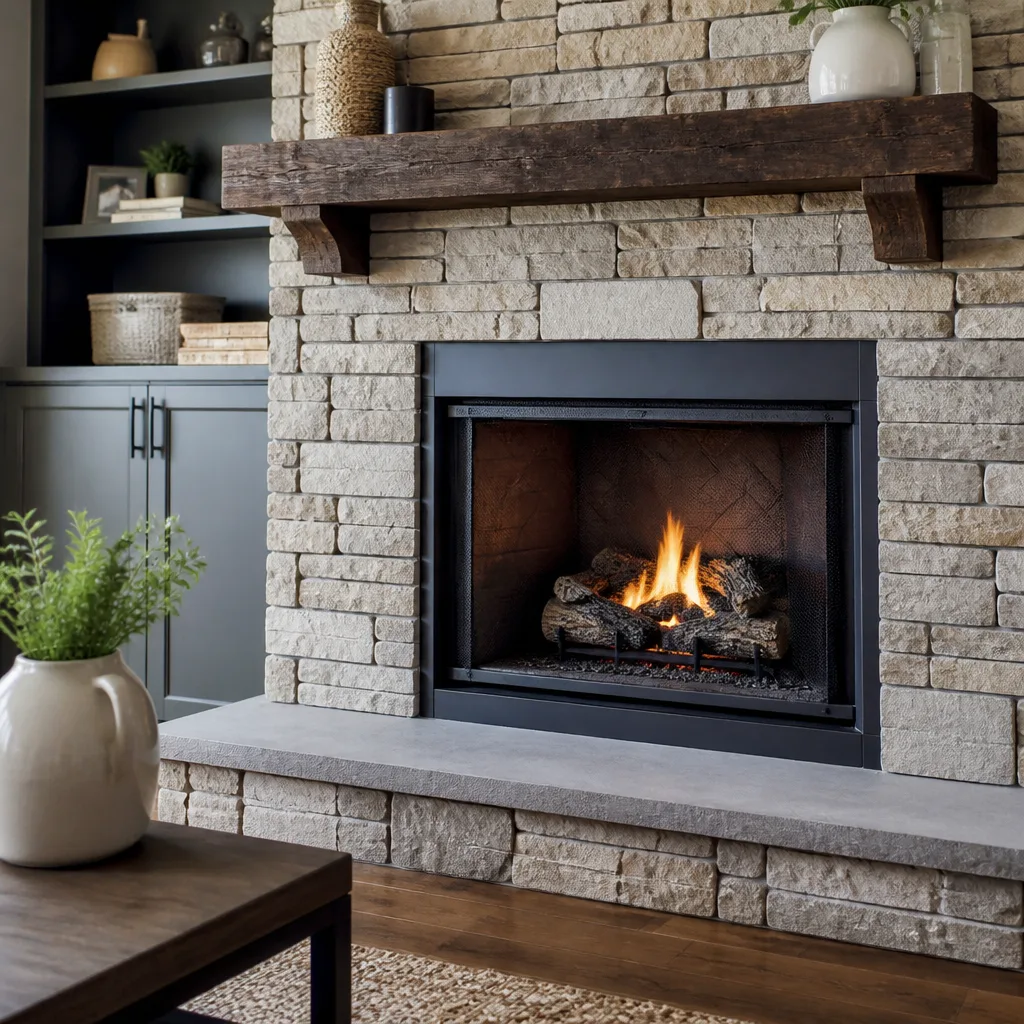
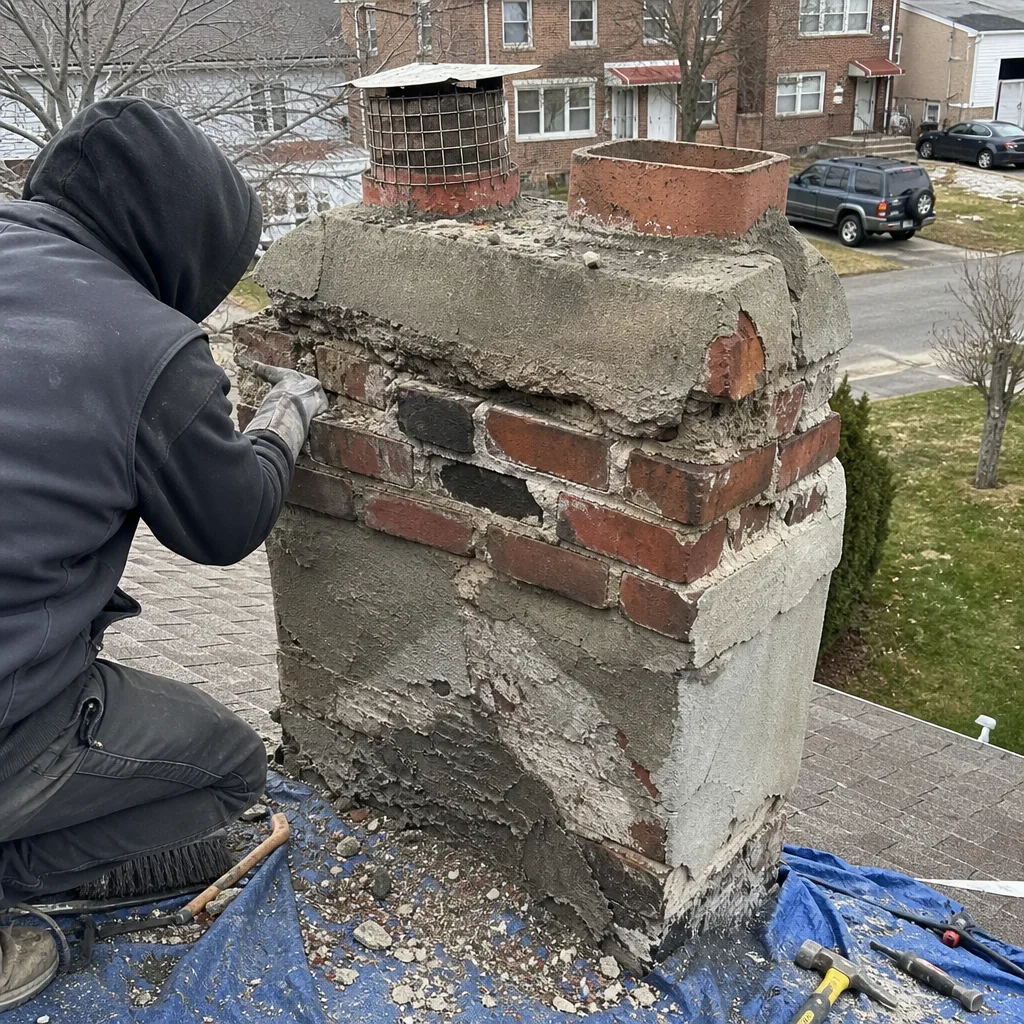
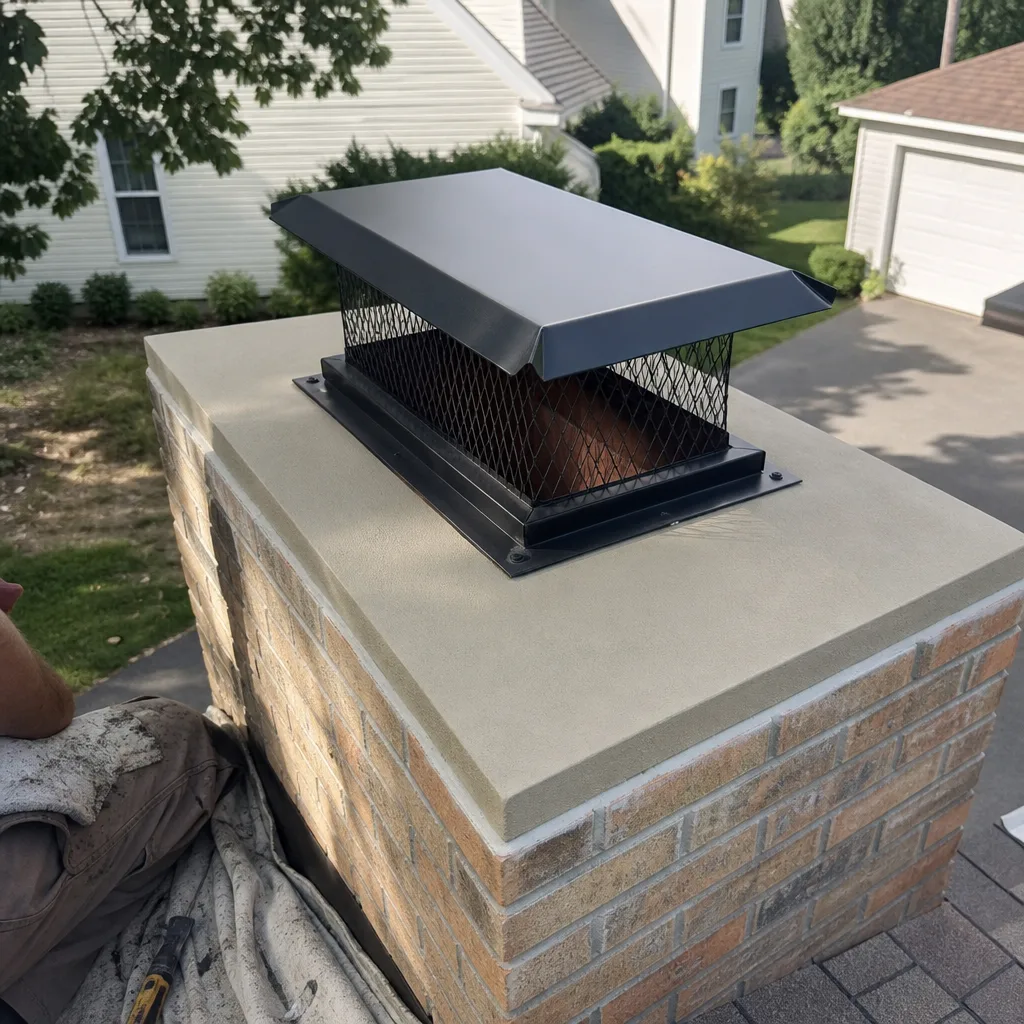
Level 1 sweep and inspection to the NFPA 211 annual standard - flue, crown, cap, and flashing checked and photographed
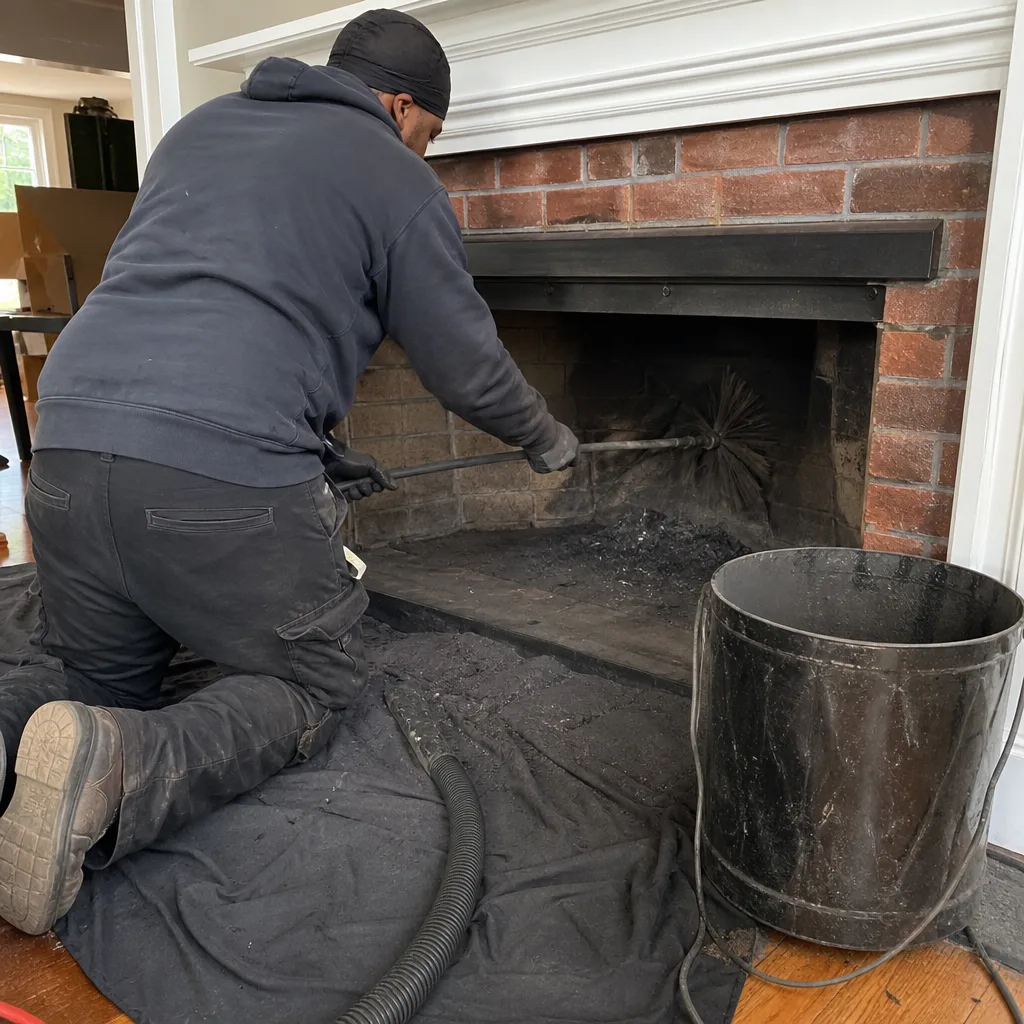
Chimney sweep logs do not sweep chimneys. They loosen some creosote - which then falls where a brush and vacuum still have to collect it.
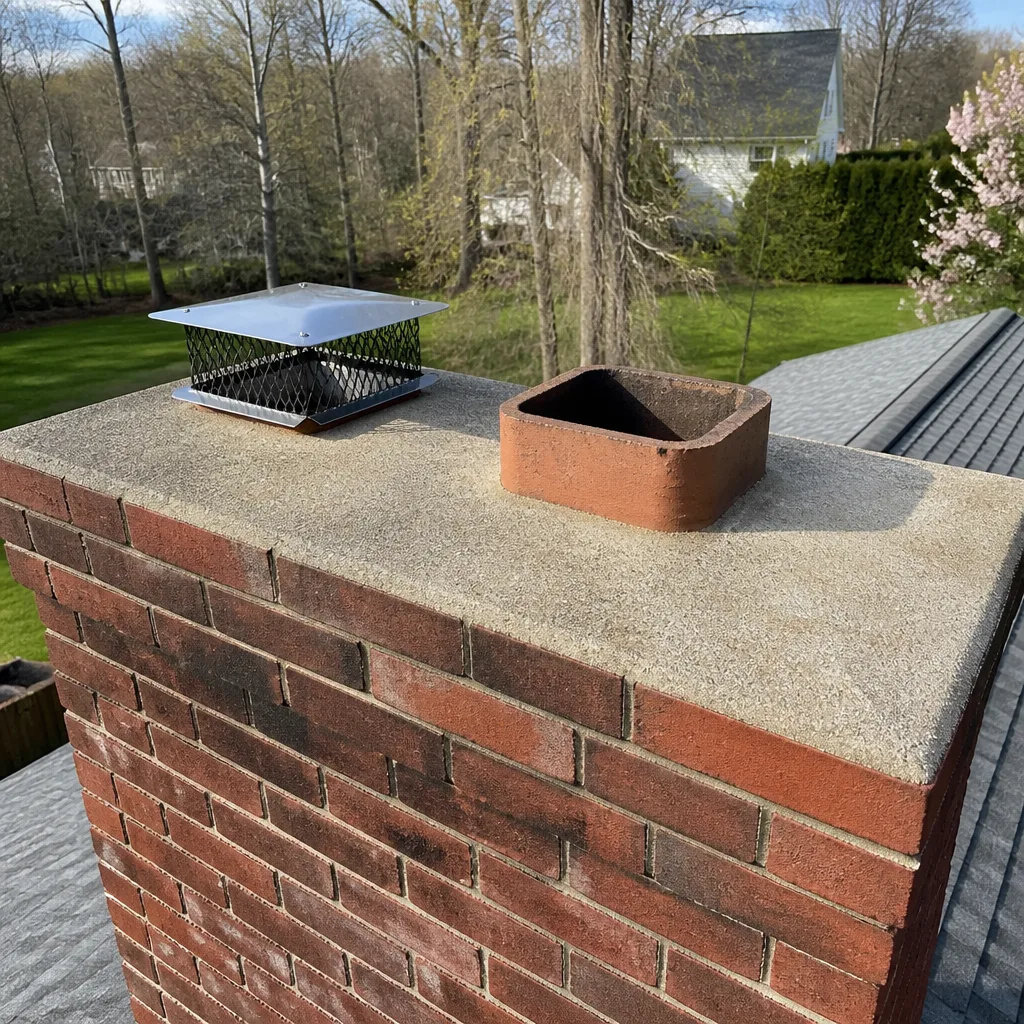
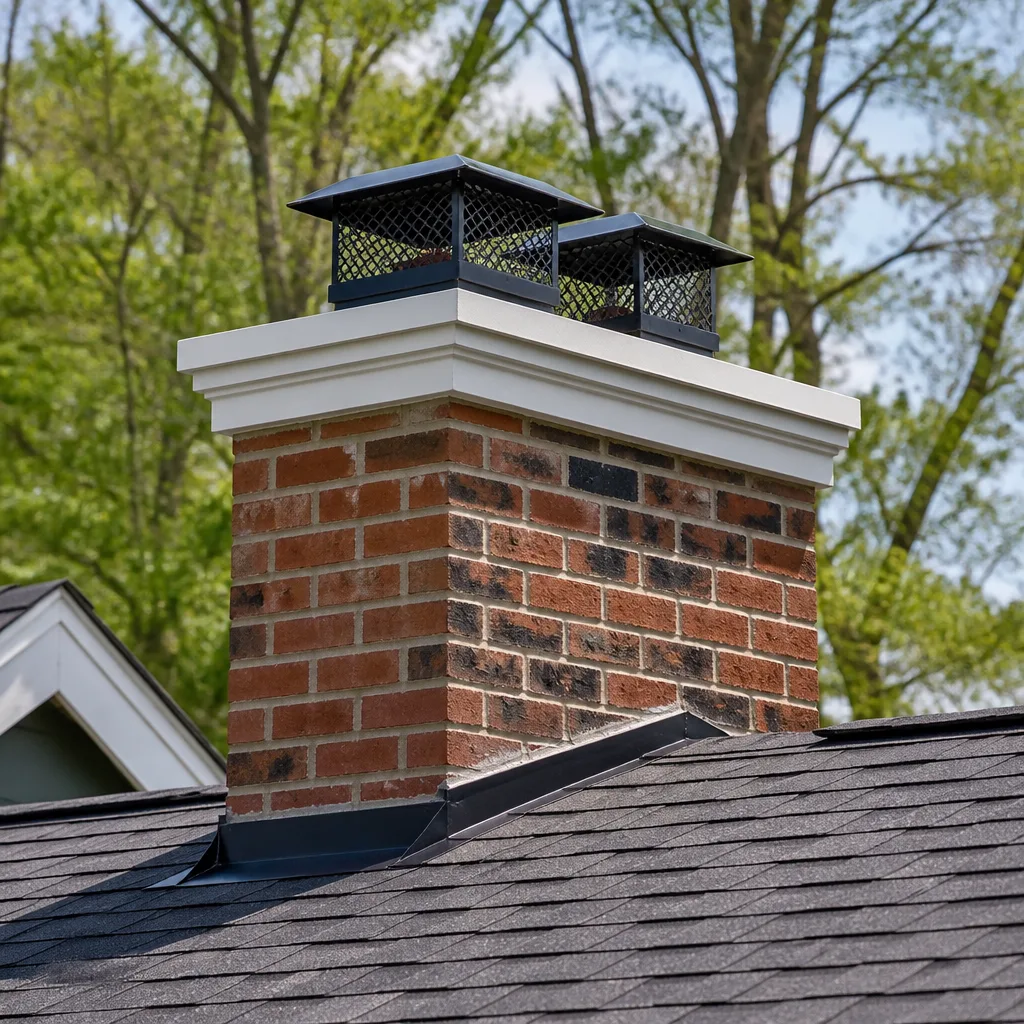
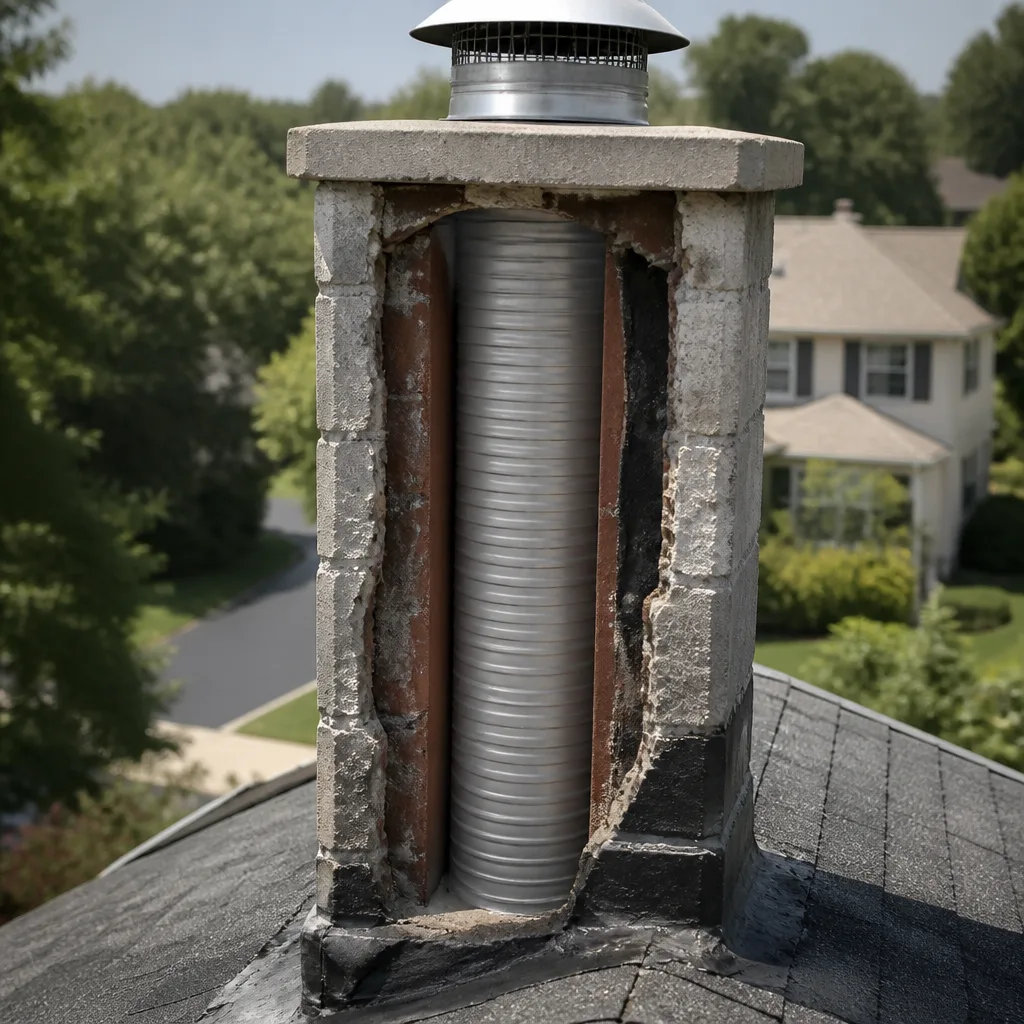
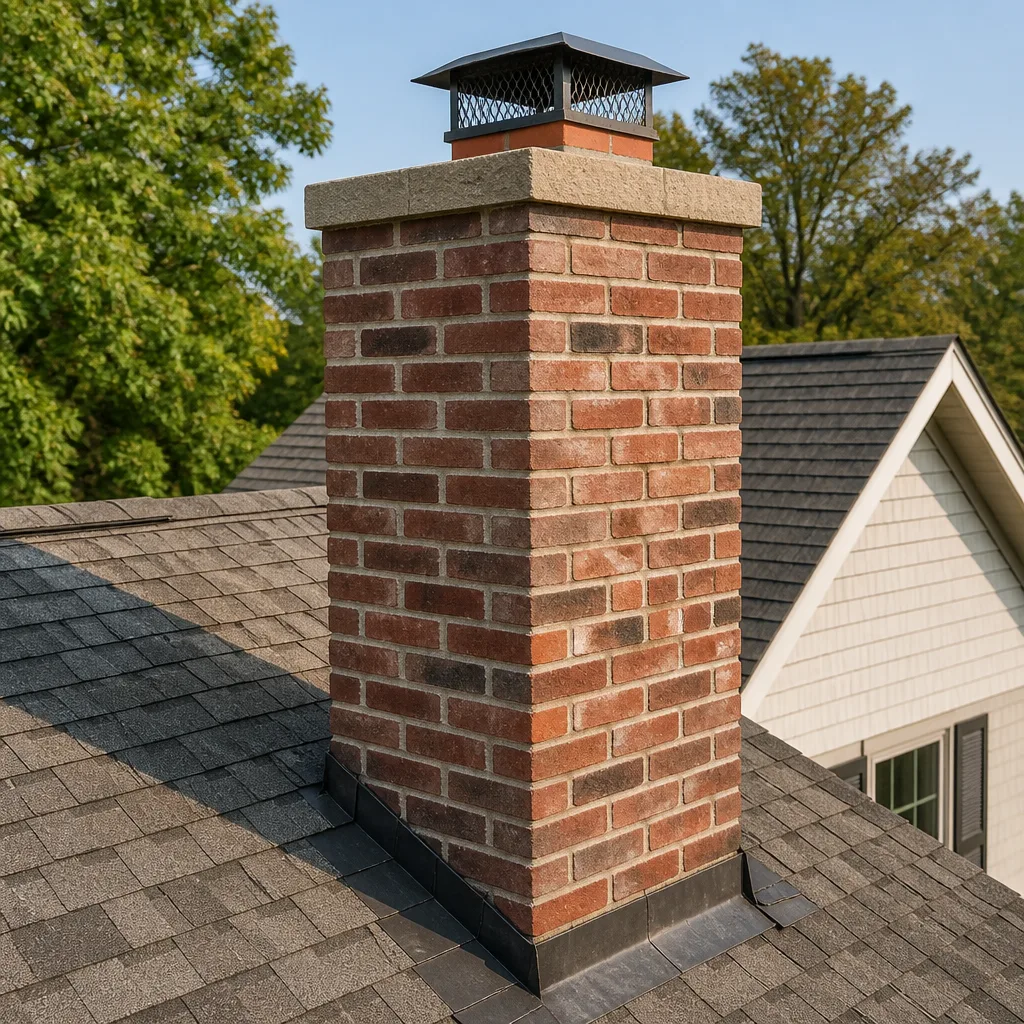
 Before
 After
After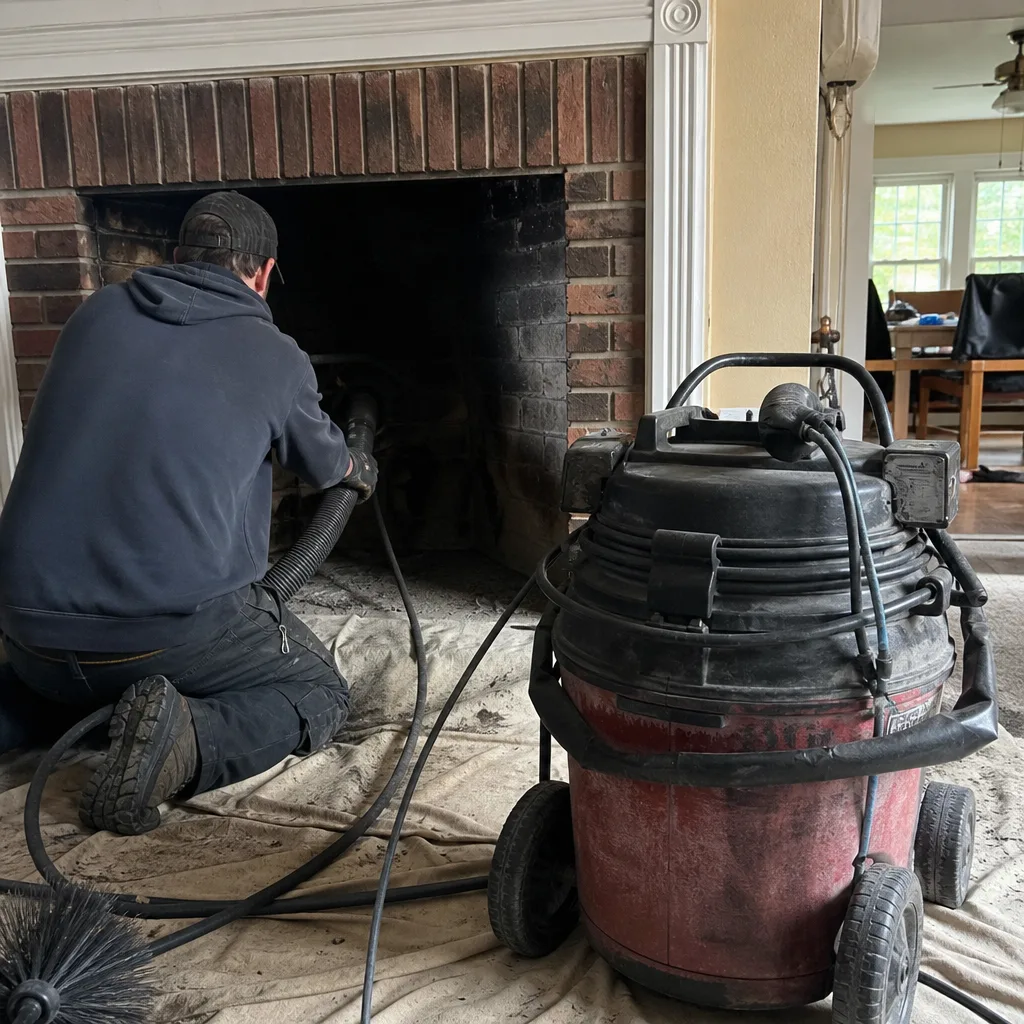 Before
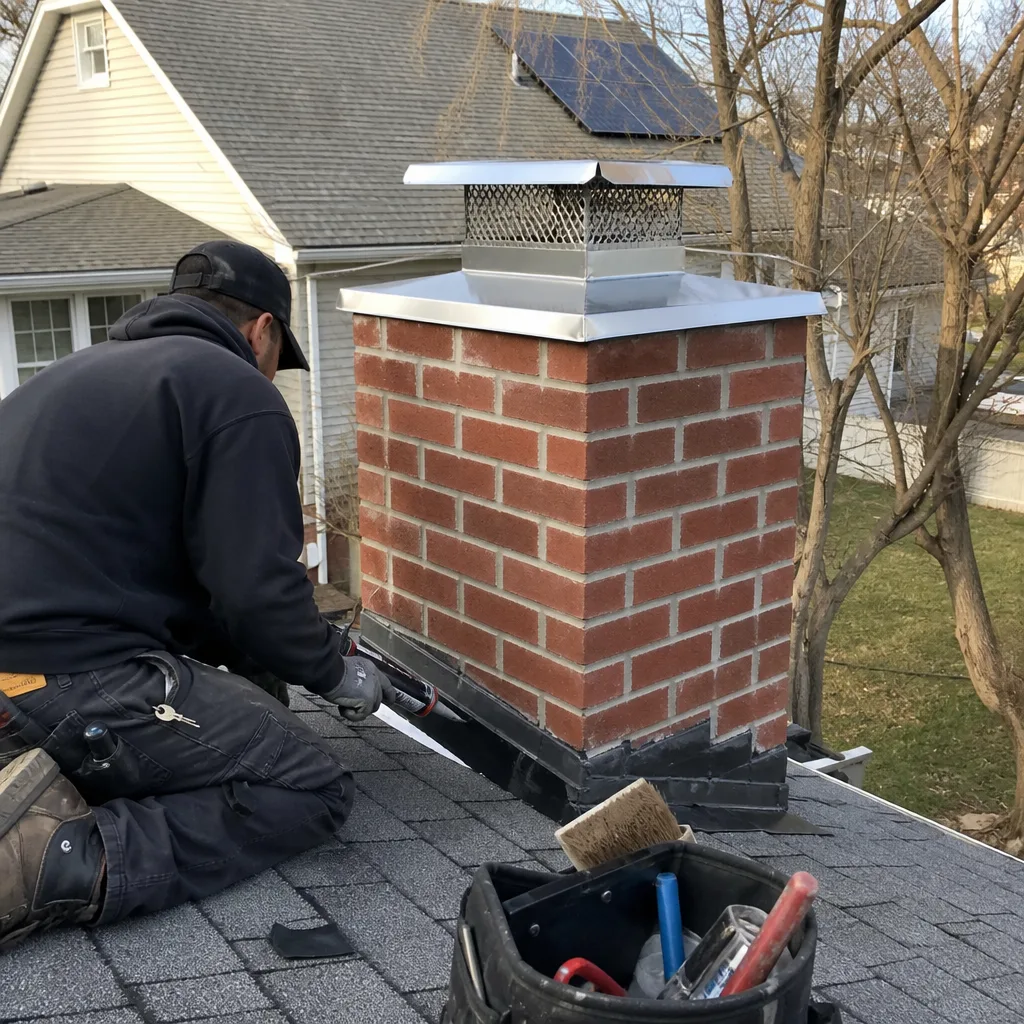 After
After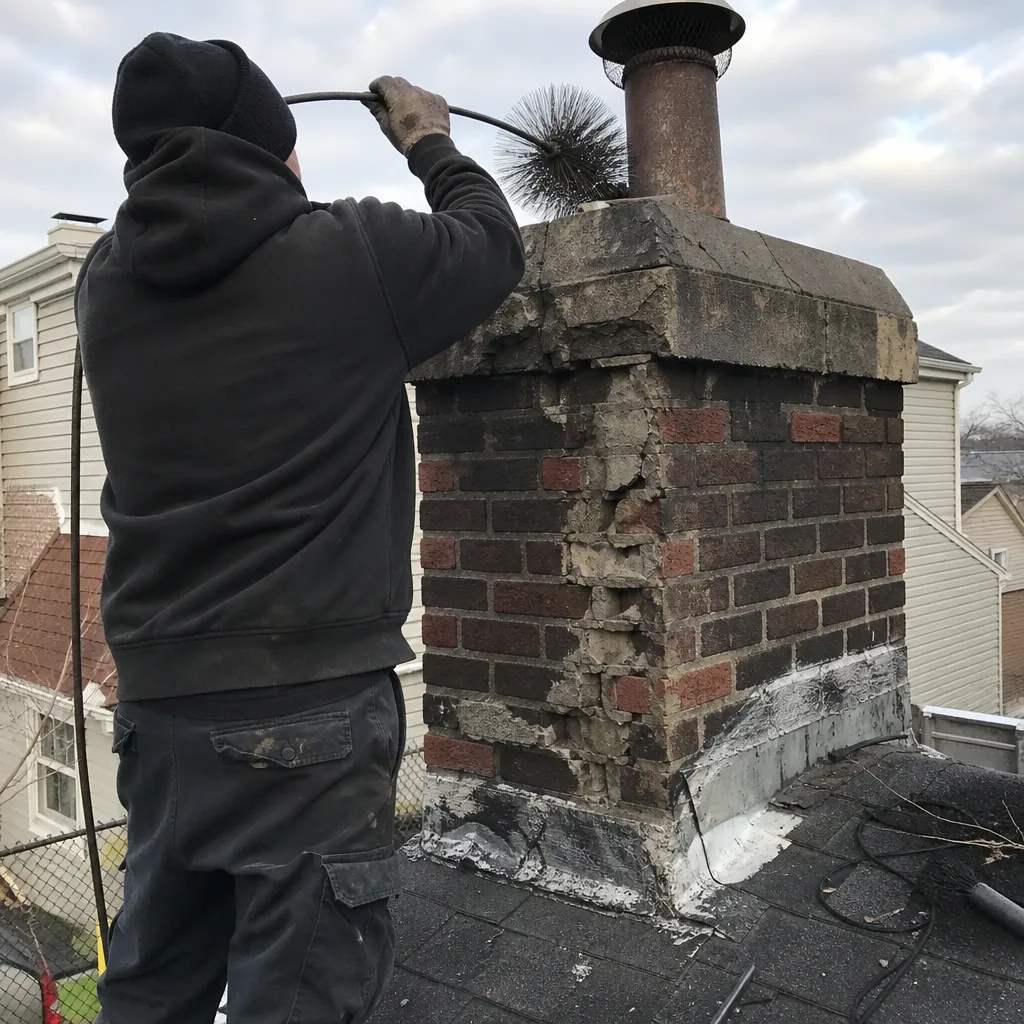 Before
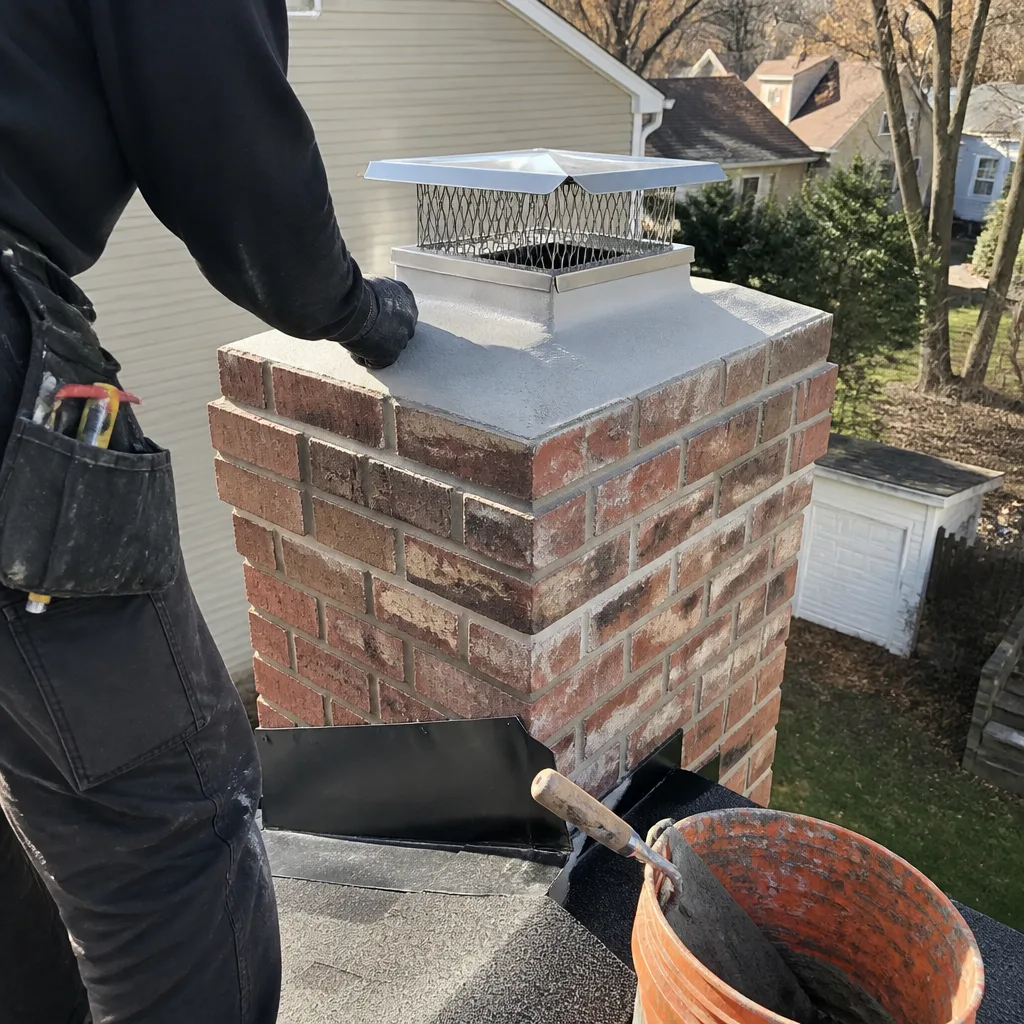 After
AfterHow to Hire a Chimney Cleaning Contractor in Camden: A Step-by-Step Guide
In New Jersey, chimney sweeping requires no state license. A brush, a shop vacuum, and a magnetic van sign are enough to start advertising tomorrow morning. That is not a hypothetical - we’ve met homeowners in Camden’s Cramer Hill and Parkside neighborhoods who hired contractors who had been in business for less than a week, and who left with cash in hand and no documentation behind. The credential that actually matters is not a license. It is whether the contractor hands you a written record when they leave: price before work, scope before payment, photos before departure. This guide will show you how to demand that evidence at every stage, what specific questions filter out operators from professionals, and how to read the documents they produce so you know what you actually bought. For more guides & resources, see our blog.
Quick Answer
Hiring a chimney cleaning contractor in Camden means finding one who writes the price before touching your chimney, carries a camera down the flue on every job, and delivers a documented photo record when finished. Ask three questions before booking: Do you camera-scan every flue? Do you put the price in writing before work starts? What documentation do I receive when you leave? The answers separate a documented sweep from a flashlight-and-brush operator.
Table of Contents
- Why the Camden Market Makes This Harder
- The Three Questions to Ask Before Booking
- How to Read a Contractor’s Insurance Certificate
- CSIA Certification: What It Means and What It Misses
- The “Free Inspection” Trap vs. a Real NFPA 211 Level 2 Inspection
- A Sample Scope-of-Work Checklist to Send Any Contractor
- What Proper Documentation Looks Like When They Leave
- Common Mistakes to Avoid
- When to Call a Professional
- Frequently Asked Questions
- The Bottom Line
 Before
 After
AfterWhy the Camden Market Makes This Harder
Camden sits in a specific regulatory gap. New Jersey does not license chimney sweeps at the state level. The city of Camden requires no municipal sweep permit beyond general business registration. For the full picture of Chimney Cleaning Permits, Codes & Inspections in NJ: What You Need to Know, see our dedicated guide. That means the barrier to entry is literally the cost of equipment plus a cell phone number.
The regional climate compounds this. Camden County sees freeze-thaw cycles from late October through March that accelerate spalling - the flaking of brick and mortar caused by water penetrating the masonry, freezing, and expanding. We’ve inspected chimneys in Fairview and East Camden where the crown had cracked so thoroughly that water was running down the flue liner every spring. A contractor with only a brush and vacuum will not find this. They will clean the flue, collect their fee, and leave the structural damage unaddressed until it requires a rebuild.
The local housing stock adds another layer. Many homes in Camden’s Cooper Grant and Lanning Square areas date to the early 20th century, with unlined brick chimneys or clay tile liners installed decades ago. These systems require evaluation, not just sweeping. A contractor who does not camera-scan cannot tell you whether your liner is cracked, whether the mortar joints between flue tiles have degraded, or whether the smoke chamber - the area above the firebox that funnels smoke into the flue - has corbelled brick that is collecting creosote in hidden pockets.
Finally, the market itself is fragmented. Camden homeowners may see advertisements from Philadelphia-based companies, South Jersey generalists, and single-van operators working from cell phones. Distance from headquarters matters less than documentation standards, but proximity matters for follow-up. If a sweep finds a cracked liner and you need a return visit for repair, a contractor without a local crew may schedule you weeks out.
The Three Questions to Ask Before Booking
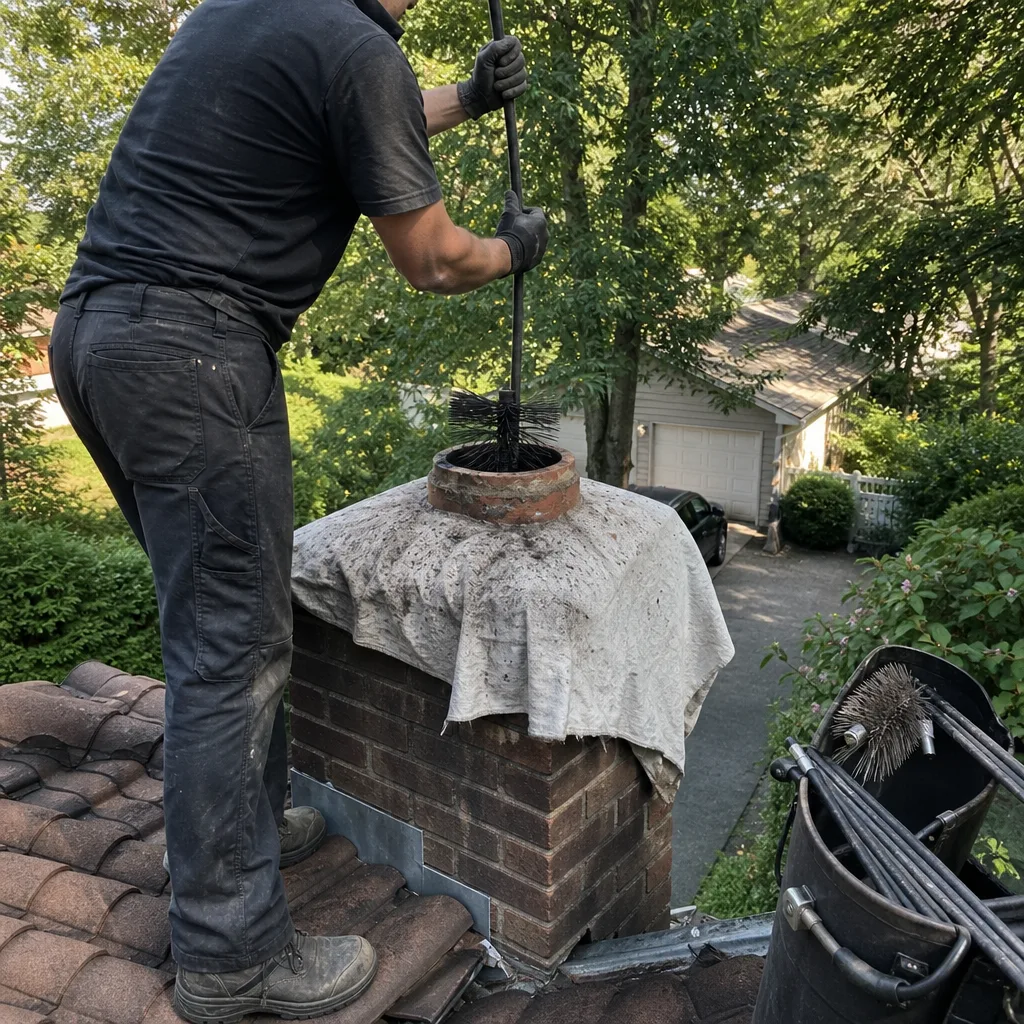
Every phone call to a chimney contractor should include these three questions, in this order. The answers will tell you whether you are speaking with an inspector or a cleaner.
1. Do you carry the camera down on every job?
A camera scan means a video borescope or chimney camera is run the full length of the flue, from firebox to crown, recording the condition of the liner, joints, and any obstructions. This is the defining practice of an NFPA 211 Level 2 inspection, and it is non-negotiable for any flue that has experienced a chimney fire, any real estate transaction, or any system that has not been inspected in the past twelve months.
We made camera-scan documentation the default on every job starting in 2009. That practice became Clause 4 of the Haven Standard. If a contractor says they “inspect visually” or “look with a flashlight,” they are performing a Level 1 inspection only. That is adequate for a chimney that was inspected within the past year and has had no changes. It is not adequate for a first visit, a home purchase, or any system with unknown history.
2. Do you write the price before touching the chimney?
The answer must be yes, and the price must be itemized. A written price that says “chimney cleaning: $299” without specifying what is included - sweep of the firebox, smoke chamber, flue, and damper; debris removal; camera scan; documentation - is not a quote. It is a placeholder for upselling.
At Level Two Chimney Camden home, we deliver a written price, written scope, and written warranty before any work begins. This is Haven Standard Clause 1: H.A.V.E.N., “Have it in writing.” The customer knows exactly what is included, what is excluded, and what the total will be before the technician enters the home. No exceptions.
3. What do I receive when the job is done?
The minimum acceptable answer: a written report with the scope performed, findings from the camera scan, and photos of the flue interior. The better answer: a documented photo record with timestamped images, a condition assessment of the liner and crown, and recommendations prioritized by safety urgency with prices attached.
If a contractor says “I’ll tell you if I find anything” or offers a verbal summary only, you have no record for your insurance, your home sale, or your own maintenance planning. Documentation is the product. Cleaning is the procedure.
How to Read a Contractor’s Insurance Certificate
Insurance is where many homeowners stop asking questions too early. “Are you insured?” gets a yes. The certificate of insurance (COI) tells the real story, and most homeowners have never seen one.
Request a COI before booking. A legitimate contractor emails it within hours. The certificate shows three coverages that matter for chimney work:
- General liability: Covers damage the contractor causes to your property - a dropped tool through a roof, a scratched floor, a fire started by improper cleaning. Standard policies run $1 million per occurrence. What general liability does not cover: injury to the contractor’s own workers.
- Workers’ compensation: Covers medical costs and lost wages if a technician is injured on your property. This is essential for chimney work, which involves roof access, ladder work at height, and exposure to hazardous materials. If a contractor has no workers’ comp and a worker falls from your roof, your homeowner’s policy may be drawn into litigation. In New Jersey, workers’ comp is required for businesses with employees, but sole proprietors may exempt themselves. A contractor working alone on your roof with no workers’ comp is a liability exposure you should understand before they arrive.
- Automotive liability: Covers the company vehicle. Relevant if equipment is stolen from a van on your street, or if a truck damages your driveway or landscaping.
Check the dates. The COI should be current and should list your property address as a certificate holder or additional insured for the date of service. If the contractor hesitates or says “my insurance guy is slow,” that is a signal to pause.
We carry general liability, workers’ compensation, and automotive coverage on every technician and vehicle. License information is displayed on every page of our site, and we provide COIs on request without delay.
CSIA Certification: What It Means and What It Misses
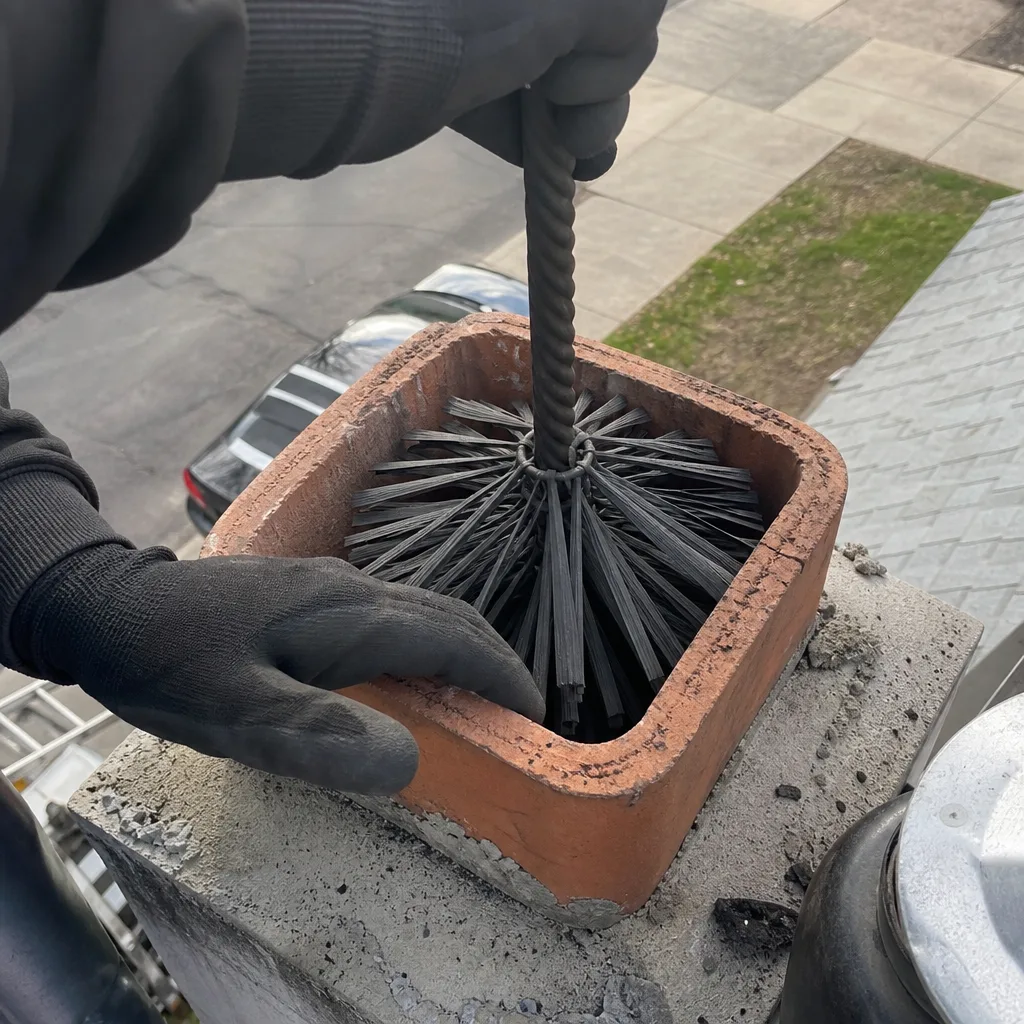
The Chimney Safety Institute of America (CSIA) Certified Chimney Sweep credential is the most recognized in the industry. It is also widely misunderstood.
What CSIA certification tests: knowledge of chimney physics, building codes, NFPA 211 standards, and safe work practices. The exam is proctored, requires continuing education for renewal, and establishes a baseline of technical competence. A CSIA-certified sweep knows the difference between Class I, II, and III creosote - the tar-like combustion byproduct that accumulates in flues - and understands when mechanical removal is required versus standard brushing.
What CSIA certification does not test: business practices, documentation standards, pricing transparency, or warranty fulfillment. A contractor can pass the CSIA exam, carry the patch on their sleeve, and still hand you a verbal quote that doubles once the brush is in the flue. Certification is a floor. It confirms technical knowledge. It does not confirm that the contractor will write the price before work starts, camera-scan your flue, or return your call if something goes wrong.
We’ve met CSIA-certified sweeps who do excellent work and CSIA-certified sweeps who do not own a camera. Use certification as one filter among several. Ask the three questions above regardless of credentials displayed.
The “Free Inspection” Trap vs. a Real NFPA 211 Level 2 Inspection
The “free chimney inspection” offer is common in Camden and surrounding markets. It is also a structural conflict of interest that almost always converts to an upsell.
Here is how the model works. A company offers a free inspection, sometimes valued at “$199” or “$249” in the advertisement. The technician arrives, performs a brief visual look, and finds “critical” issues - cracked crown, damaged liner, missing cap - that require immediate repair quotes of $2,000 to $8,000. The inspection was free because it was a sales call, not a documented evaluation. The technician is often compensated on commission for repair sales, not for accurate reporting.
An NFPA 211 Level 2 inspection, by contrast, is a defined standard with specific procedures:
- Visual inspection of accessible portions of the chimney exterior and interior
- Camera scan of the flue interior from firebox to crown
- Inspection of the attic, crawl space, or other accessible areas where the chimney passes
- Documentation of findings with photos or video
- Written report with condition assessment and prioritized recommendations
The Level 2 inspection takes 45 minutes to 90 minutes depending on system complexity. It requires equipment: a chimney camera, proper lighting, and access tools. It is not free because it is actual work with actual documentation.
At Chimney Cleaning & Sweep in Camden, we do not offer “free inspections” that convert to pressure sales. We perform NFPA 211 Level 2 camera-scan inspections as standard on every visit, with written findings and photos included. The price is quoted before we arrive, not discovered after we enter your home.
A Sample Scope-of-Work Checklist to Send Any Contractor
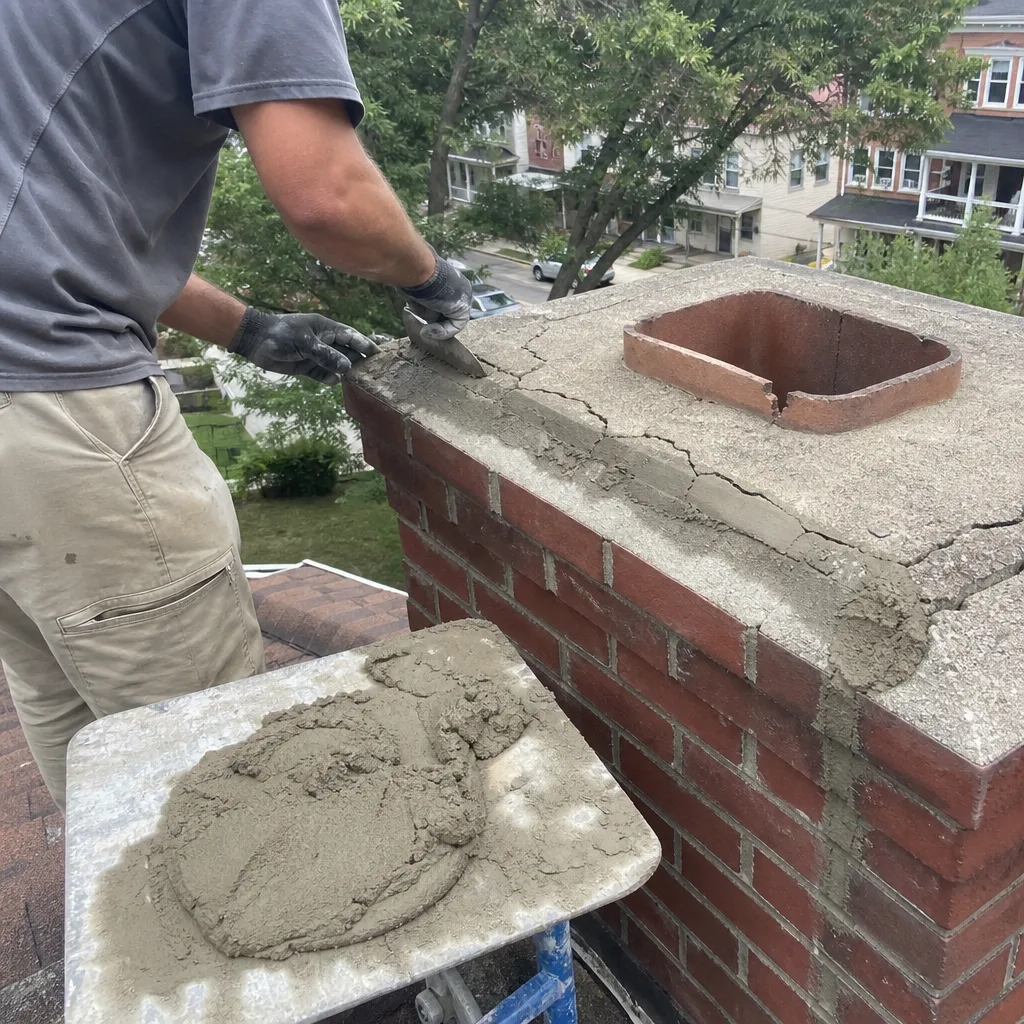
The most effective tool for comparing bids is a standardized scope. Send this checklist to any contractor before they quote. The itemized response lets you compare apples to apples, and a contractor who cannot or will not respond to each line is telling you something about their operation.
Pre-Work Requirements
- Written, itemized quote delivered before scheduling, with no obligation to book
- Certificate of insurance provided on request with current dates
- Technician name and license number provided before arrival
- Notification text or call when technician is en route
Inspection Scope
- NFPA 211 Level 2 inspection performed, including camera scan of full flue length
- Condition assessment of: flue liner (clay tile, stainless steel, or cast-in-place), mortar joints, smoke chamber, damper assembly, firebox brick, crown, cap, and flashing
- Photo or video documentation of flue interior provided to homeowner
- Written report with findings, prioritized by safety urgency, delivered before departure
Cleaning Scope (if applicable)
- Mechanical sweep of flue from firebox to crown
- Smoke chamber and damper cleaning
- Debris removal and HEPA containment
- Final camera verification that flue is clear of obstructions and deposits
Post-Work Documentation
- Written invoice matching pre-work quote, with no additions without homeowner approval
- Photo record of completed work
- Written warranty or guarantee terms
- Recommended maintenance schedule based on system condition and usage
A contractor who returns this checklist completed is demonstrating organizational capacity. A contractor who responds with “we just clean it, don’t worry” is demonstrating the opposite.
What Proper Documentation Looks Like When They Leave
The documentation you receive is the only proof of what was done. Here is what a properly documented chimney service produces, and why each piece matters.
Written Price and Scope (Before Work)
This is your contract. It should list every procedure, every material specification, and the total price including tax. At Level Two Chimney Camden, this is Haven Standard Clause 1. We do not start work without it.
Camera-Scan Photo Record (During Inspection)
Timestamped images or video of the flue interior showing liner condition, joint integrity, and any anomalies. This is Clause 4 of the Haven Standard, practiced continuously since 2009. The photo record protects you if damage is discovered later - you have baseline documentation. It protects the contractor from false claims. It is the central piece of evidence in any insurance or real estate transaction.
Written Findings Report (After Inspection)
A plain-language summary of what was found, prioritized by urgency:
- Immediate safety concern: Cracked flue liner, Class III glazed creosote, blocked flue - requires action before next use
- Maintenance item: Minor spalling, deteriorated mortar - schedule repair within season
- Monitoring item: Early-stage wear - note for next annual inspection
Completed Invoice Matching Pre-Work Quote
The final invoice should match the pre-work quote exactly unless you authorized additional work in writing. Any discrepancy is a red flag.
Warranty Documentation
Our 365-Day Done Right Promise is stamped on every job: if it’s not done right, we make it right. The warranty terms are written, not verbal, and include the specific coverage period and contact procedure.
Materials used in any repair should be specified by brand. We source from HeatShield for crown repair and resurfacing, Gelco for caps and accessories, and Olympia Chimney for liner systems - procured through Haven’s buying network to keep customer prices honest. Generic “stainless steel liner” language is insufficient; the brand and specification matter for warranty and performance.
Common Mistakes to Avoid
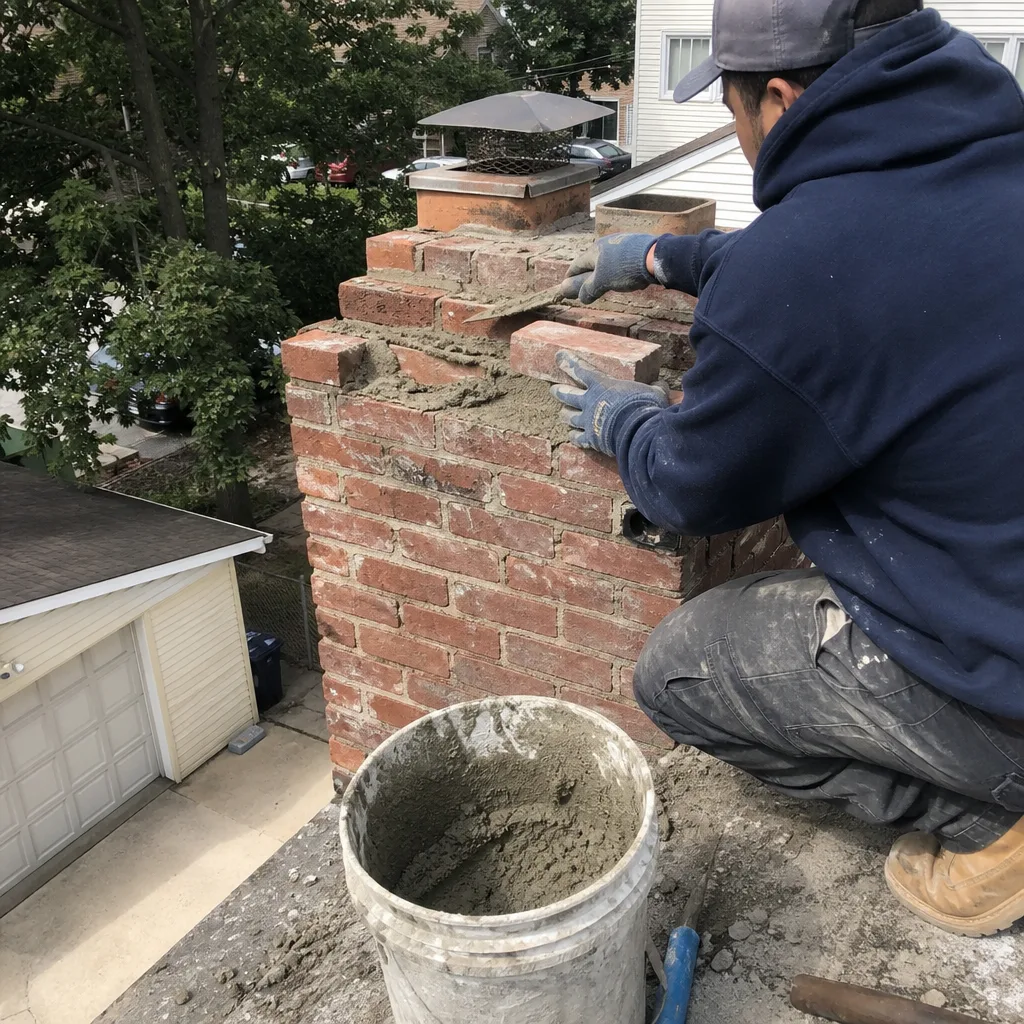
- Booking based on lowest price alone. A $149 sweep that finds $4,000 of “urgent” repairs was never $149. The low price is the entry point for a sales presentation. Compare itemized scopes, not headline numbers.
- Accepting verbal quotes. Without written documentation, you have no recourse if the final bill differs, if damage is claimed, or if the work is substandard. Every price, scope, and promise belongs in writing.
- Assuming CSIA certification guarantees business integrity. Certification tests technical knowledge, not pricing honesty or documentation standards. Use it as one filter among several.
- Ignoring workers’ compensation coverage. In Camden’s older neighborhoods with steep roofs and limited access, ladder work is hazardous. A contractor without workers’ comp exposes you to liability.
- Confusing “free inspection” with documented evaluation. Free inspections are sales calls. Real inspections require time, equipment, and expertise. They are priced accordingly because they have value.
- Not requesting the photo record. If a contractor claims your liner is cracked, you should see the crack. If they claim the crown is failing, you should see the spalling. Photos are evidence, not optional extras.
- Skipping annual service because “it looks fine.” Creosote accumulation, liner degradation, and crown damage are not visible from the firebox. Camera inspection is the only verification.
When to Call a Professional
Call a chimney professional before burning season begins, before purchasing a home with a fireplace, after any chimney fire or unusual event (smoke backup, loud cracking sounds, visible sparks), or if your last inspection exceeds twelve months. In Camden’s climate, freeze-thaw damage progresses through winter; an inspection in September identifies crown and masonry issues before they worsen. Our Seasonal Chimney Cleaning Care for Camden: Year-Round Homeowner’s Guide breaks down the full maintenance calendar.
Level Two Chimney Camden offers free estimates in Camden - call (856) 741-9572. Every estimate includes a written price before work starts, a camera-scan inspection with documented photo record, and the 365-Day Done Right Promise. We serve homes throughout Camden, from the waterfront districts to the residential neighborhoods of Fairview, Cramer Hill, and beyond.
Frequently Asked Questions
A professional chimney sweep in Camden typically ranges from $180 to $350 for a standard cleaning with NFPA 211 Level 2 camera inspection included. Prices vary based on system accessibility, creosote accumulation level, and whether the flue is lined or unlined. See our Chimney Cleaning Cost Breakdown: The Camden Homeowner’s Reference for 2026 for detailed pricing factors. Call (856) 741-9572 for an exact quote - estimates are free, and the price is written before any work begins.
You should not accept a liner replacement recommendation without seeing camera evidence of the damage. A cracked clay tile liner, corroded stainless steel liner, or unlined masonry flue are legitimate safety concerns that can allow heat transfer to combustible framing or carbon monoxide leakage. But the condition must be documented with photos you can see, and the explanation should specify whether the damage is localized (repairable) or systemic (requires replacement). At Level Two Chimney Camden, nothing is recommended without camera evidence, and we will plainly tell you when work can safely wait.
The National Fire Protection Association recommends annual inspection for all chimney systems, with cleaning frequency determined by use and fuel type. Wood-burning systems in regular use typically require annual sweeping; gas systems may extend to every two to three years if inspection shows clean operation. Camden’s older housing stock and seasonal heating patterns mean many systems benefit from annual evaluation regardless of apparent condition.
Skipped maintenance leads to creosote accumulation, which is the primary fuel for chimney fires - over 25,000 occur annually in the United States. Degraded liners can allow carbon monoxide, an odorless, lethal gas, to enter living spaces. Masonry damage from freeze-thaw cycles, left unaddressed, progresses from crown cracks to full rebuilds costing thousands. The risk is specific and documented, not theoretical.
New Jersey does not mandate chimney sweeping by state law for single-family residences. However, most homeowner insurance policies require “reasonable maintenance,” and a chimney fire in a system without recent inspection may affect coverage. Some municipalities in Camden County have local fire codes referencing NFPA 211 standards. Documentation of annual professional inspection is your best protection in any dispute.
A chimney sweep performs cleaning - mechanical removal of creosote and obstructions. A chimney inspector evaluates system condition against NFPA 211 standards. In practice, these should be the same person on the same visit: the sweep who cleans your flue should also camera-scan it, document findings, and explain what they mean. Separation of cleaning and inspection into different appointments or different companies often indicates a fragmented operation without integrated documentation standards.
The Bottom Line
Hiring a chimney contractor in Camden comes down to one principle: written evidence at every stage. New Jersey’s lack of state licensing means your protection is the documentation you demand and receive. Ask the three questions - camera, written price, documentation - before booking. Read the insurance certificate, not just the advertisement. Send the scope checklist and compare itemized responses. And never accept a finding you cannot see: the photo record is the product, not an extra.
We’ve completed more than 38,000 chimney inspections and cleanings since 2009, every one with a written price before work started and a documented record when finished. That practice became the Haven Standard because it was the only way we would operate. It remains the only way we do.
Written by Corrine Halstead, Owner at Level Two Chimney Camden, serving Camden since 2009.