
Last updated September 21, 2026
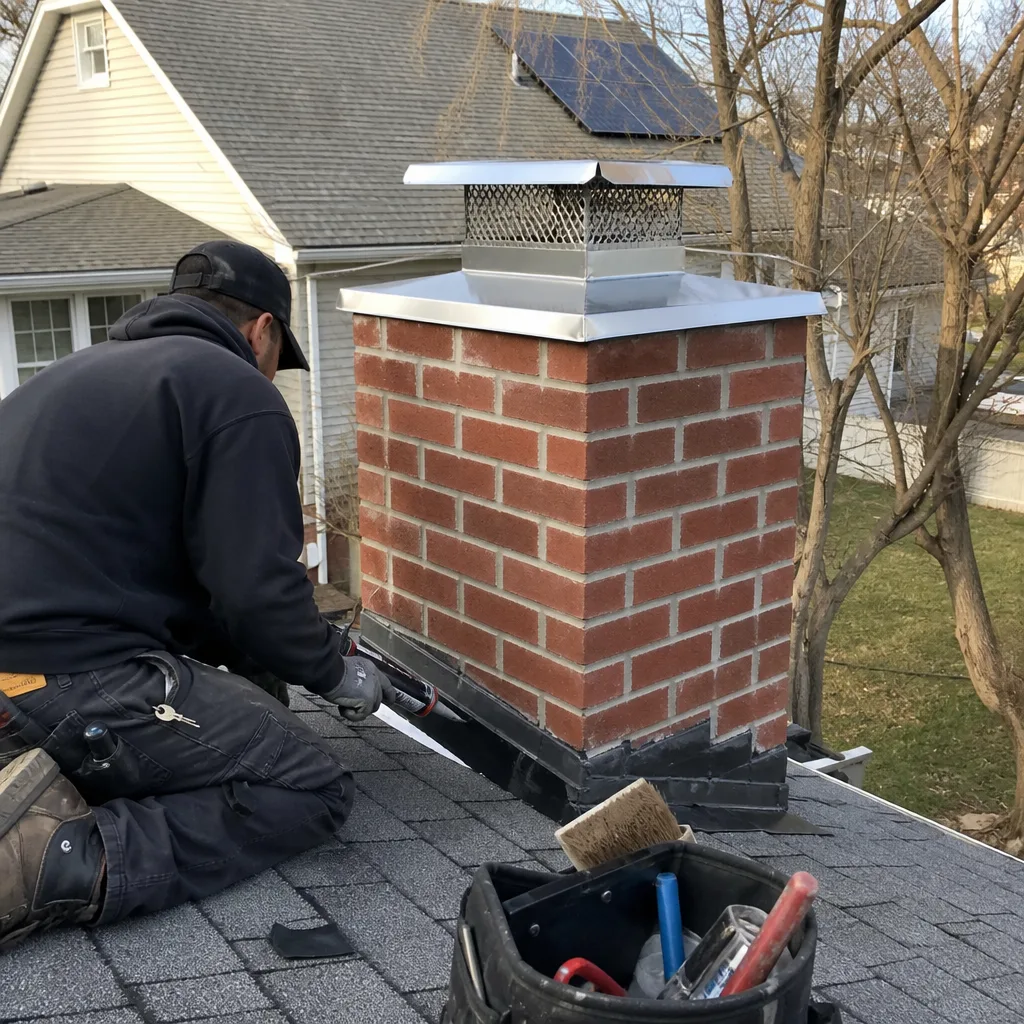
Level 1 sweep and inspection to the NFPA 211 annual standard - flue, crown, cap, and flashing checked and photographed
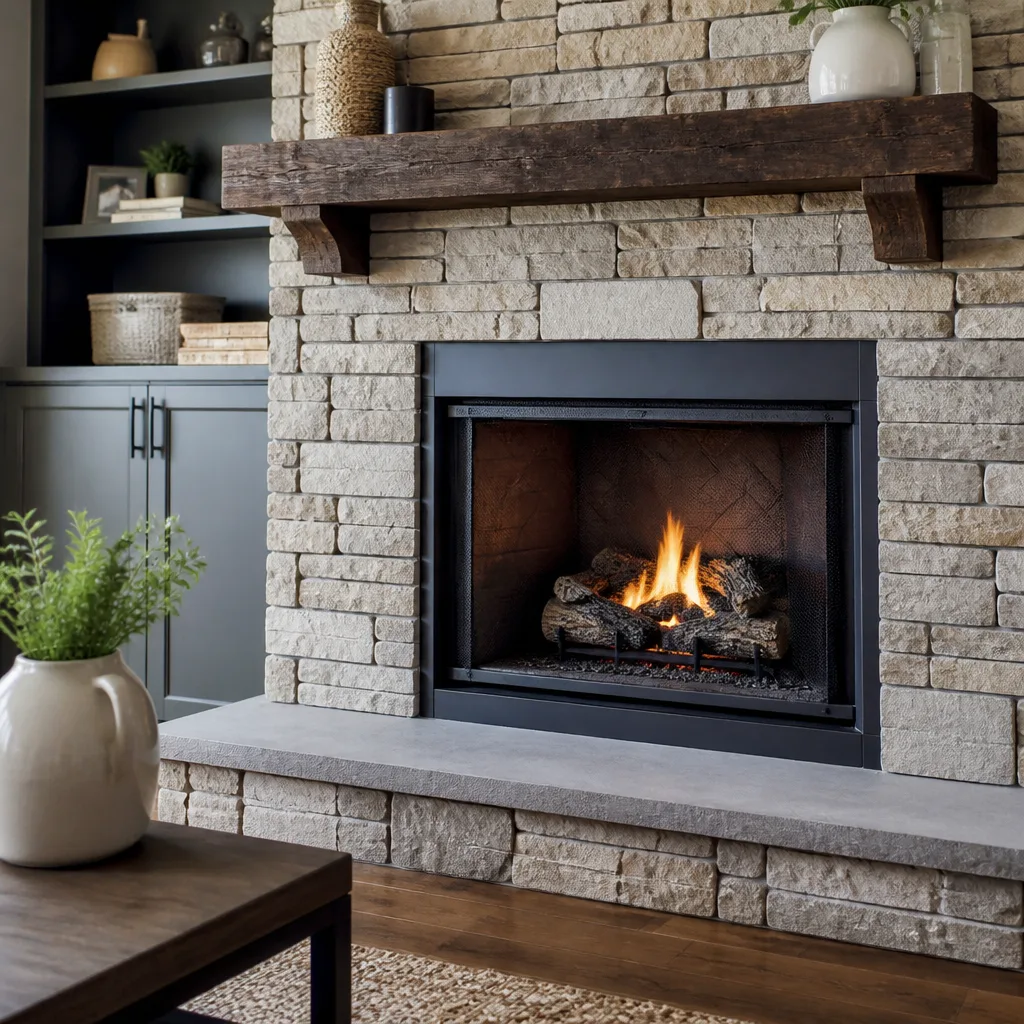
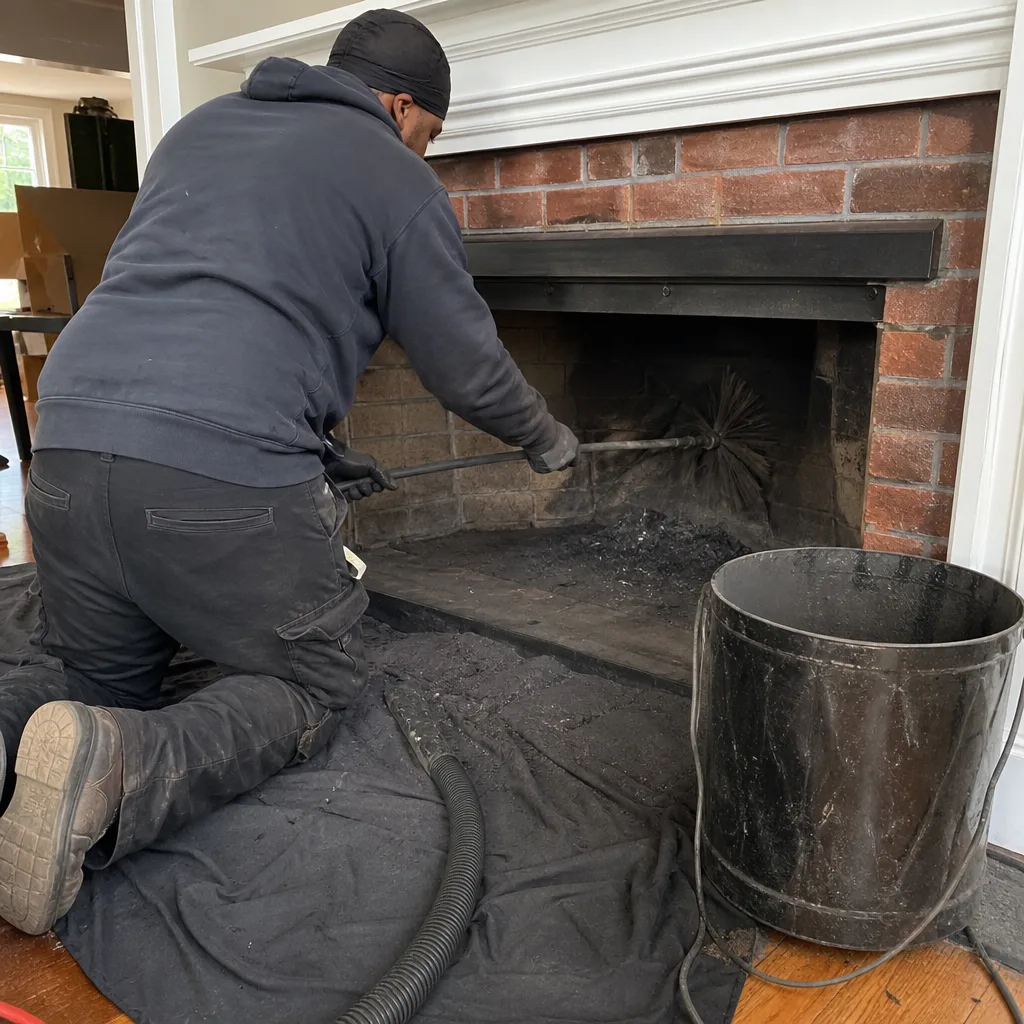
Chimney sweep logs do not sweep chimneys. They loosen some creosote - which then falls where a brush and vacuum still have to collect it.
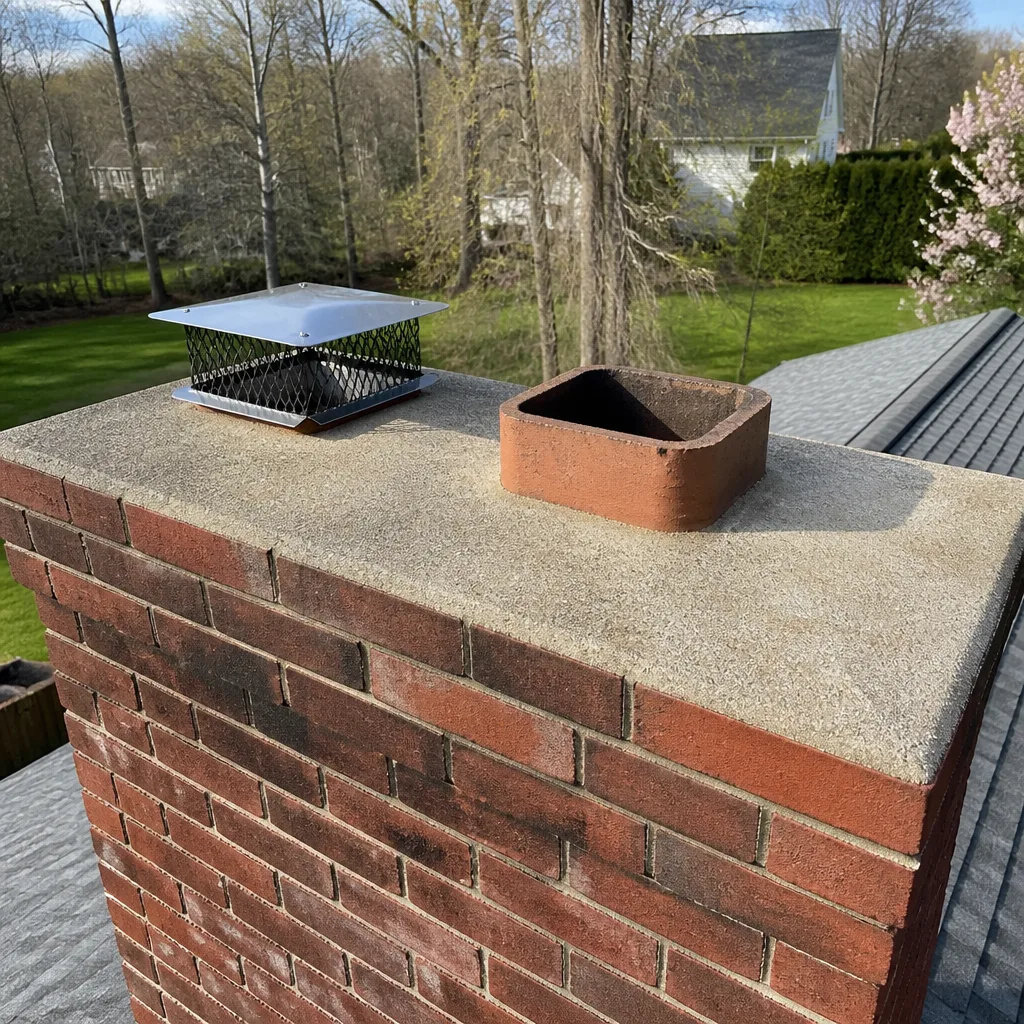
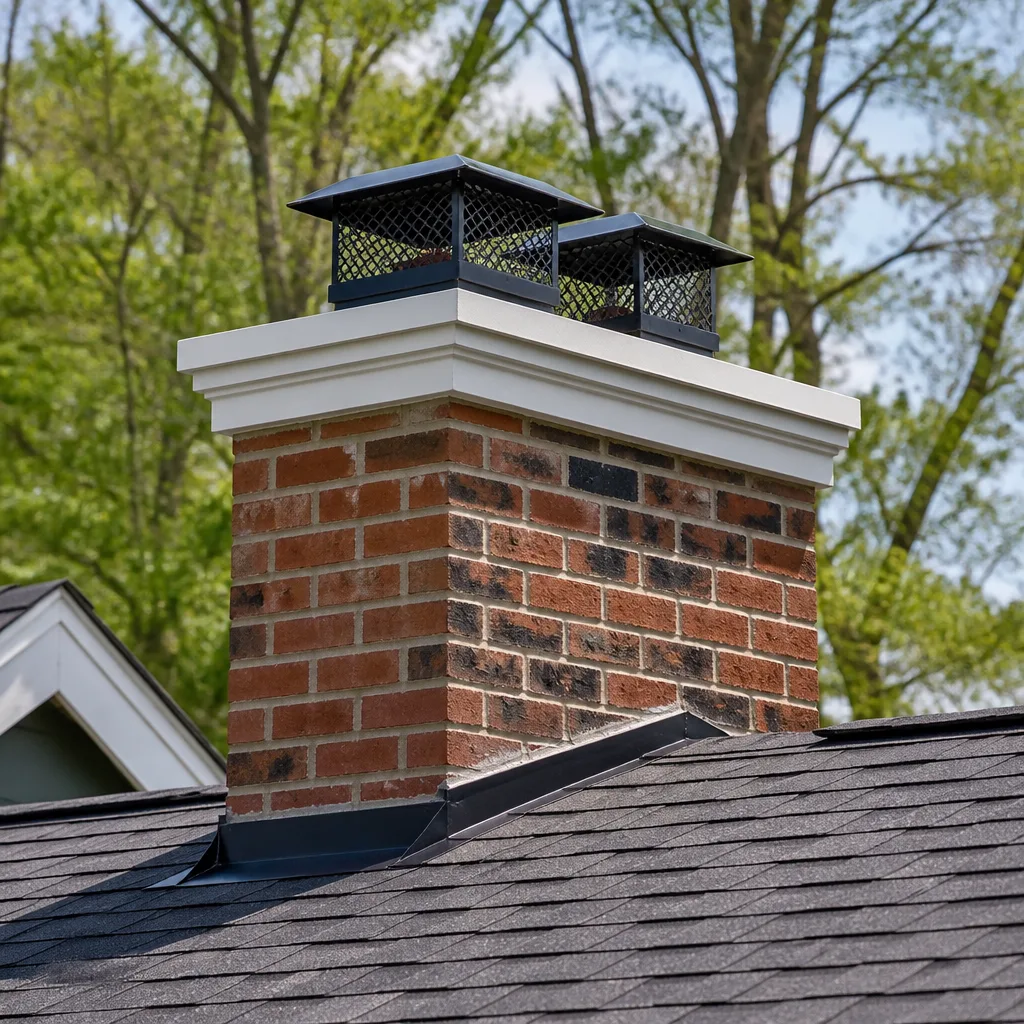
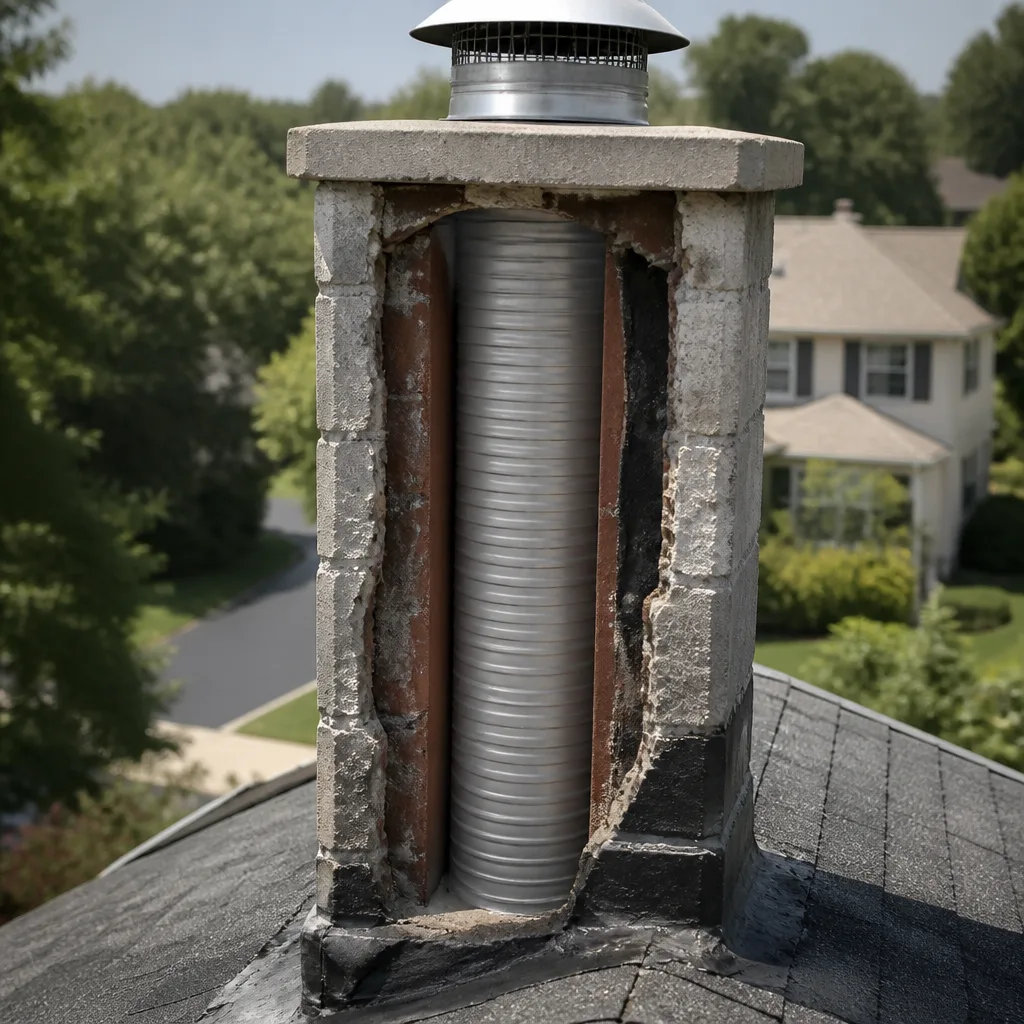
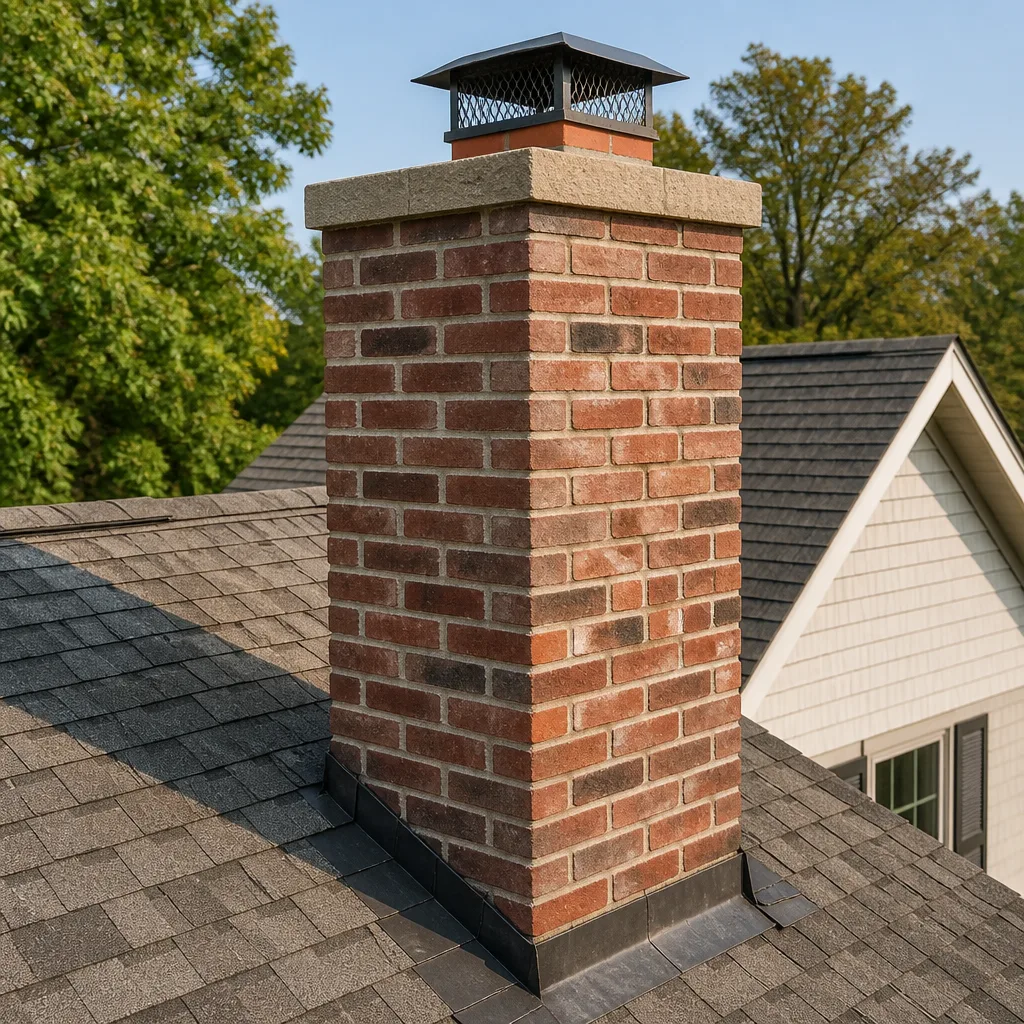
 Before
 After
After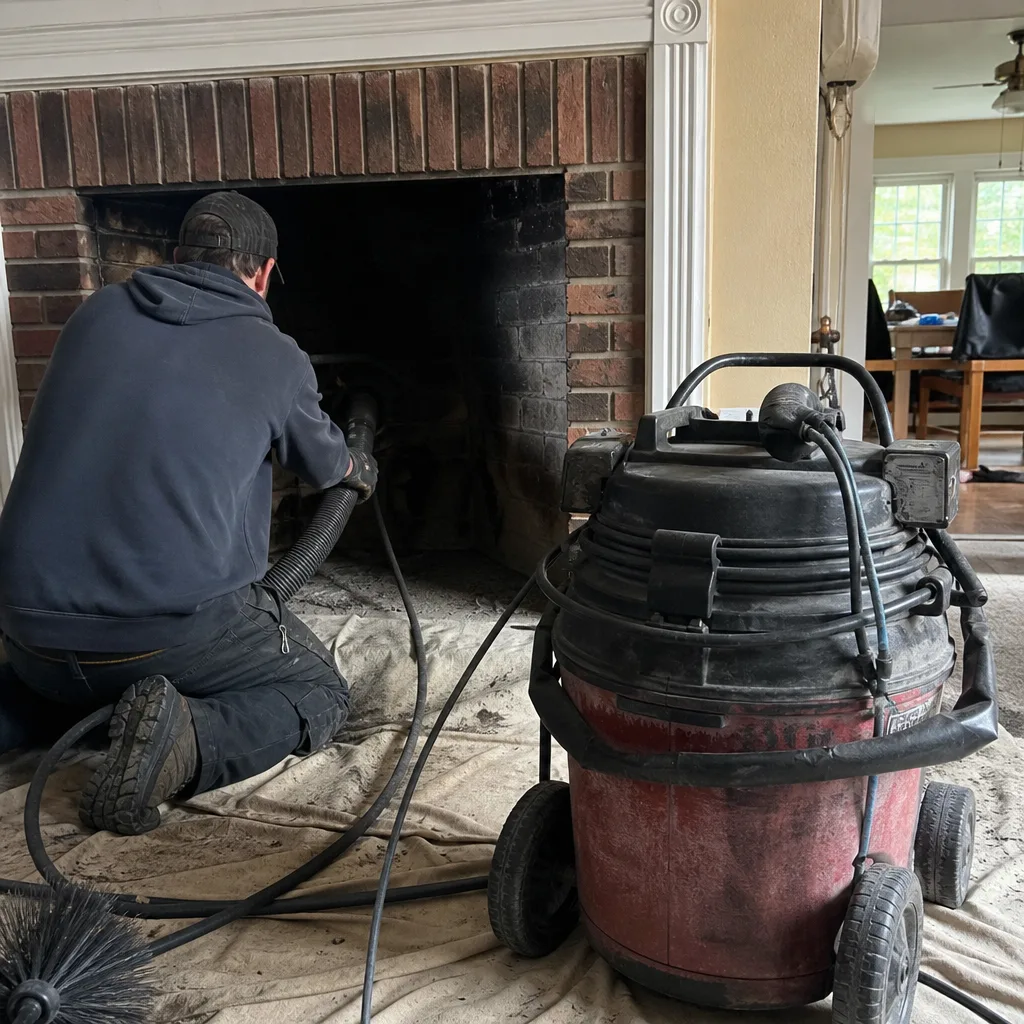 Before
 After
After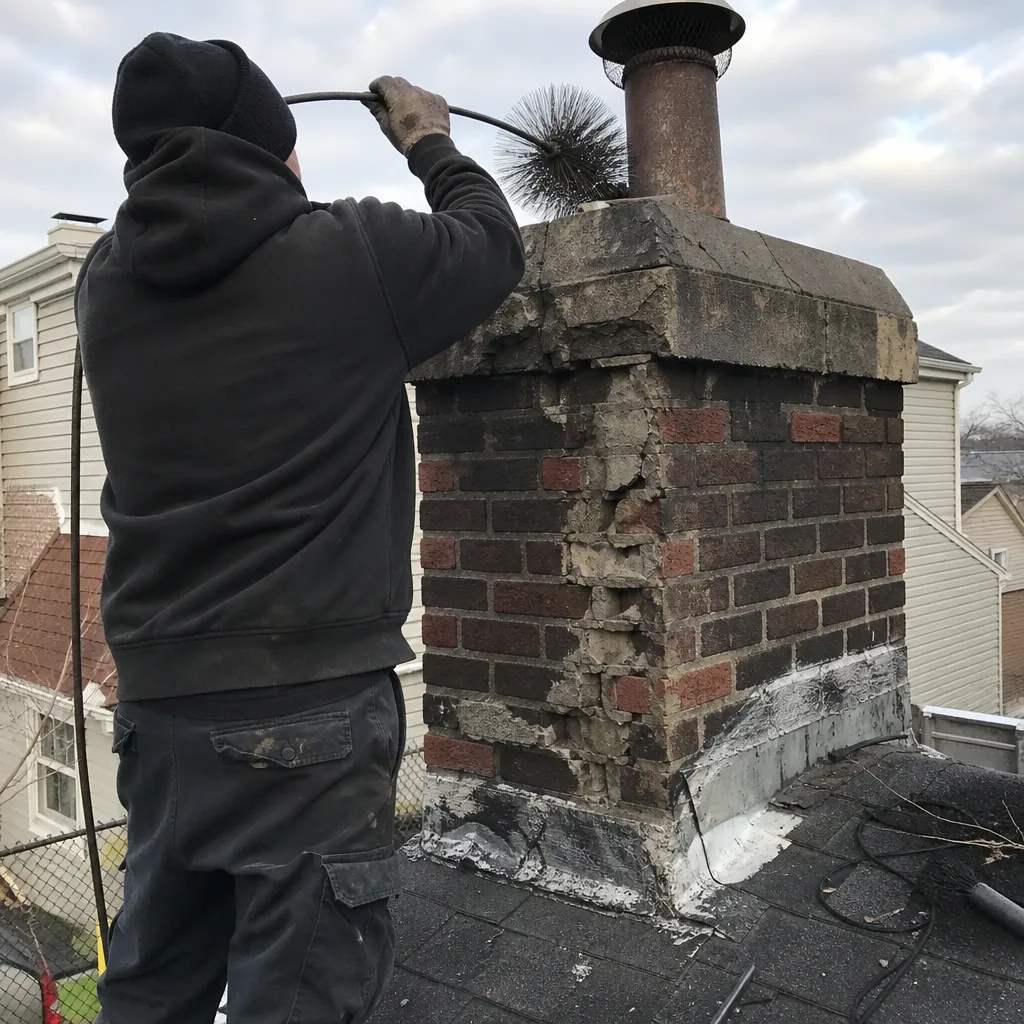 Before
 After
AfterSeasonal Chimney Cleaning Care for Camden: Year-Round Homeowner’s Guide
Most Camden homeowners schedule their chimney sweep in October, right before the first fire. Here’s the problem: by then, whatever winter left behind has been sitting in your flue since March, moisture from spring rains has had months to work through cracked mortar, and squirrels have likely finished nesting season in an uncapped flue. In our experience inspecting chimneys across Camden’s older neighborhoods like Cramer Hill and Parkside, the August inspection consistently reveals damage that would have been minor in spring but becomes costly by November. This guide breaks down what each season actually deposits in your chimney, when to look for it, and why the calendar matters more than most contractors admit - and for a complete seasonal checklist, see our dedicated Camden homeowner resource.
Quick Answer
Camden chimneys need attention four times per year, not one. The optimal inspection window is late August, when the flue is dry, nesting season ends, and repairs can be scheduled before winter urgency drives up pricing. A proper seasonal cycle addresses winter creosote buildup, spring moisture infiltration, summer animal intrusion, and fall damper and smoke chamber readiness.
Table of Contents
- What Winter Leaves Behind: Creosote, Condensation, and Hidden Damage
- Spring Moisture Infiltration: Camden’s Freeze-Thaw Cycle
- Summer Nesting Season: When Animals Move In
- Fall Pre-Season: The Inspection Most People Get Wrong
- Month-by-Month Camden Chimney Action Calendar
- Winterizing an Unused Chimney: Cap, Damper, and Flashing
- What Seasonal Care Costs in Camden
- Common Mistakes to Avoid
- When to Call a Professional
- Frequently Asked Questions
 Before
 After
AfterWhat Winter Leaves Behind: Creosote, Condensation, and Hidden Damage
Winter burning in Camden deposits three distinct materials in your flue, and each requires a different response.
Class I creosote is the flaky, sooty residue from complete combustion. It brushes off easily during a standard sweep. Class II creosote forms as tar-like flakes or puffy deposits when wood burns at lower temperatures, common in Camden’s drafty older homes where homeowners damper down overnight. Class III creosote is the dangerous one: a hardened, glazed layer that looks like black glass, often requiring rotary cleaning or chemical treatment to remove safely.
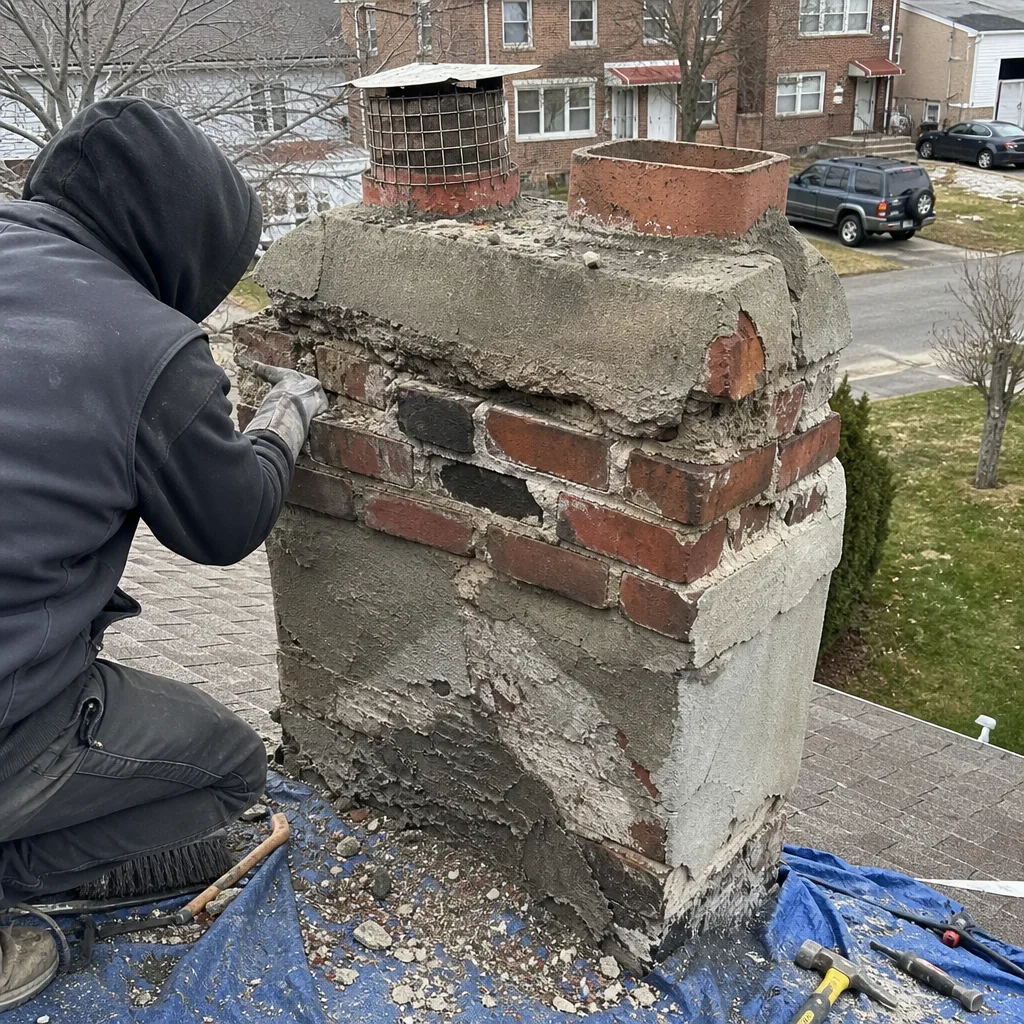
The bigger winter issue is condensation. Every time warm flue gases meet cold masonry, moisture forms inside the liner. In Camden’s January and February temperature swings, this cycle repeats nightly. Water combines with creosote to form acidic compounds that corrode metal liners and accelerate mortar deterioration in unlined brick chimneys. By March, we’ve often found flue tiles with spalled (flaking) inner surfaces that were intact in October.
Here’s what we look for in post-winter inspections:
- Glazed creosote thickness exceeding 1/8 inch (NFPA 211 calls for cleaning at this threshold)
- White efflorescence on exterior brick, indicating moisture migration through the masonry
- Rust streaks from the damper or firebox, signaling condensation pooling
- Cracked or missing flue tiles, often hidden until a camera inspection
The Chimney Cleaning & Sweep in Camden we perform includes NFPA 211 Level 2 camera documentation, so winter damage gets photographed and measured, not guessed at with a flashlight.
Spring Moisture Infiltration: Camden’s Freeze-Thaw Cycle
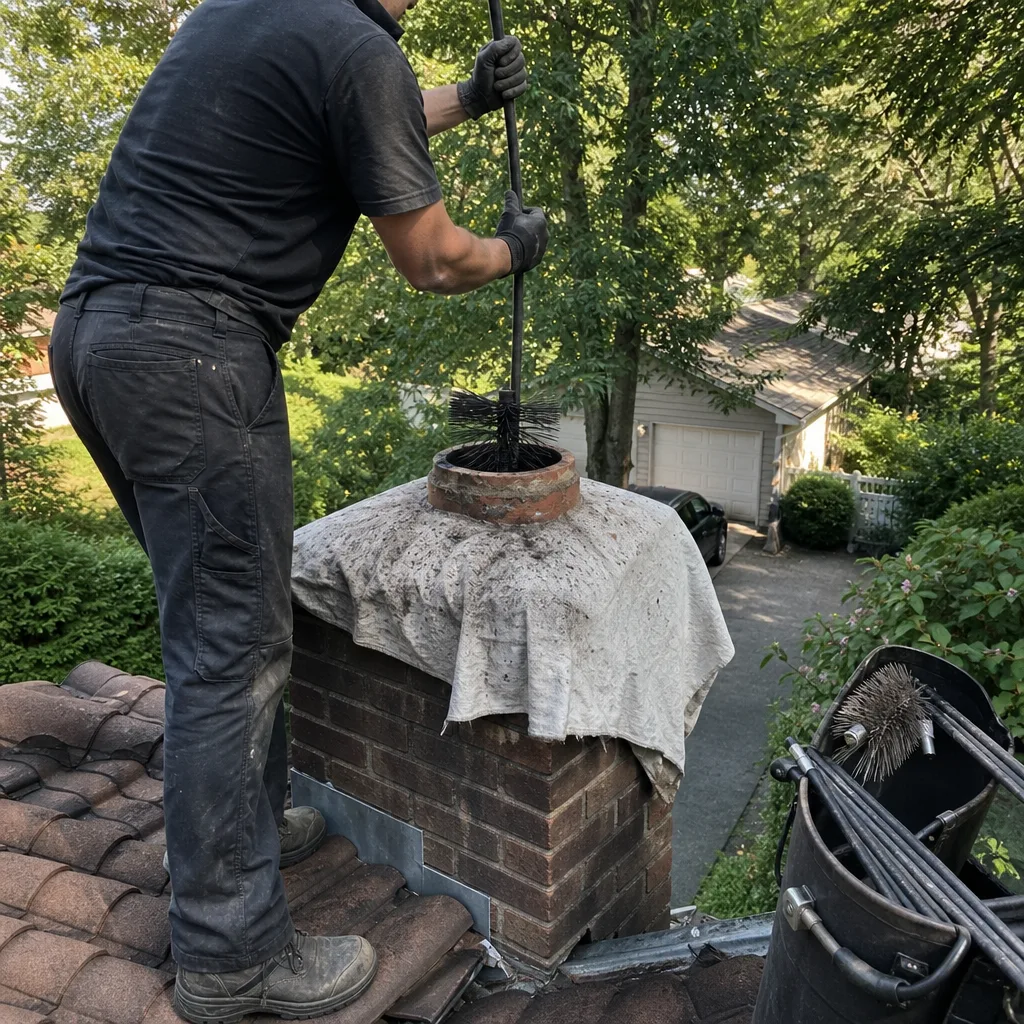
Camden sits at the edge of a humid continental climate zone, which means our shoulder seasons deliver repeated freeze-thaw cycles that destroy masonry. March through May 2024 brought fourteen freeze-thaw events to the Camden area. Each cycle, water trapped in brick or mortar expands by about 9 percent. Do that enough times, and the face of a brick pops off. That’s spalling, and it’s irreversible without replacement.
Spring rain finds its way in through three common entry points:
- Crown cracks. The concrete slab at your chimney top shrinks and cracks over time. A hairline crack in March becomes a water highway by April.
- Lifted flashing. The metal where chimney meets roof loosens in winter ice. Spring winds finish the job, creating gaps that channel water behind siding and into ceiling drywall.
- Deteriorated mortar joints. Repointing that was needed two years ago becomes urgent when freeze-thaw opens joints wide enough to slide a knife blade in.
In the Bergen Square and Lanning Square areas, we see a pattern: homes built 1910-1940 with original soft brick suffer accelerated spalling because the brick absorbs more water than modern hard-fired alternatives. The fix isn’t sealing the brick (traps moisture) but replacing spalled units and repointing with proper lime-based mortar that breathes.
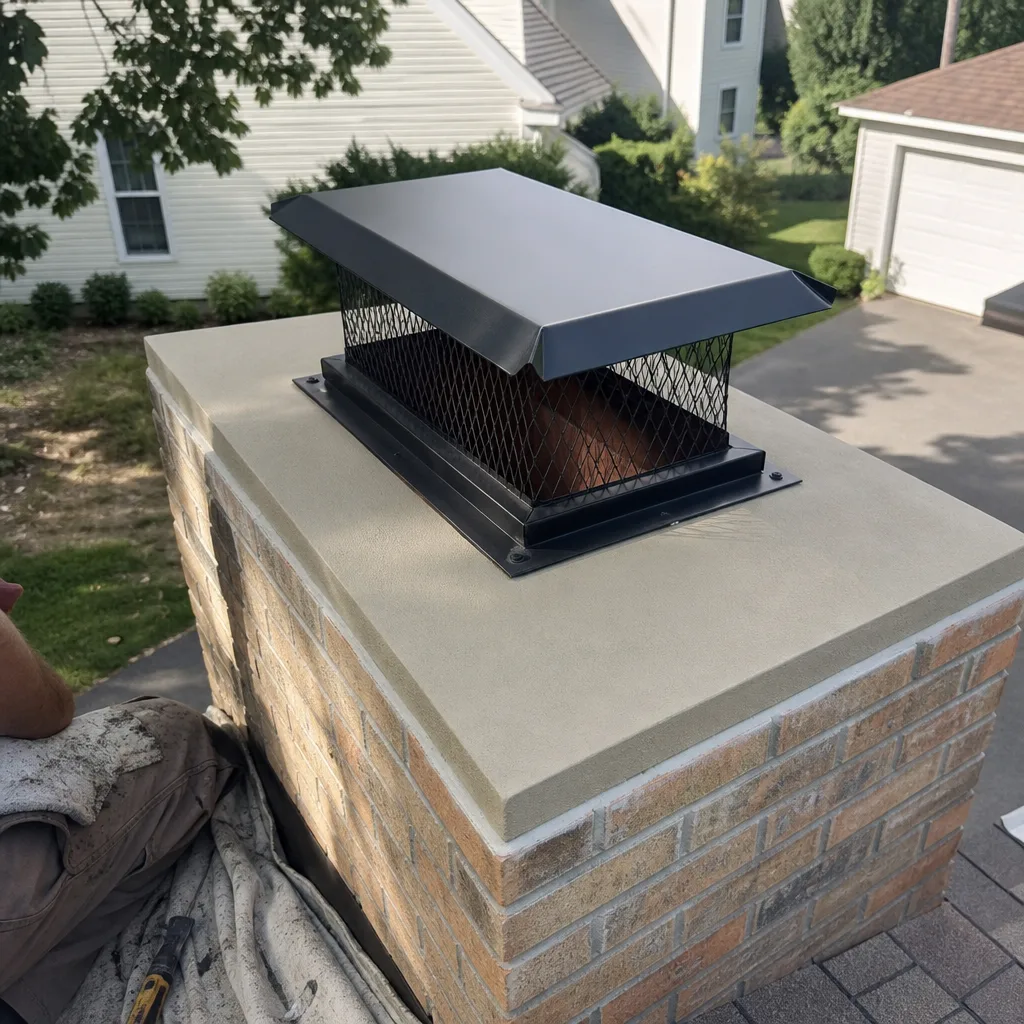
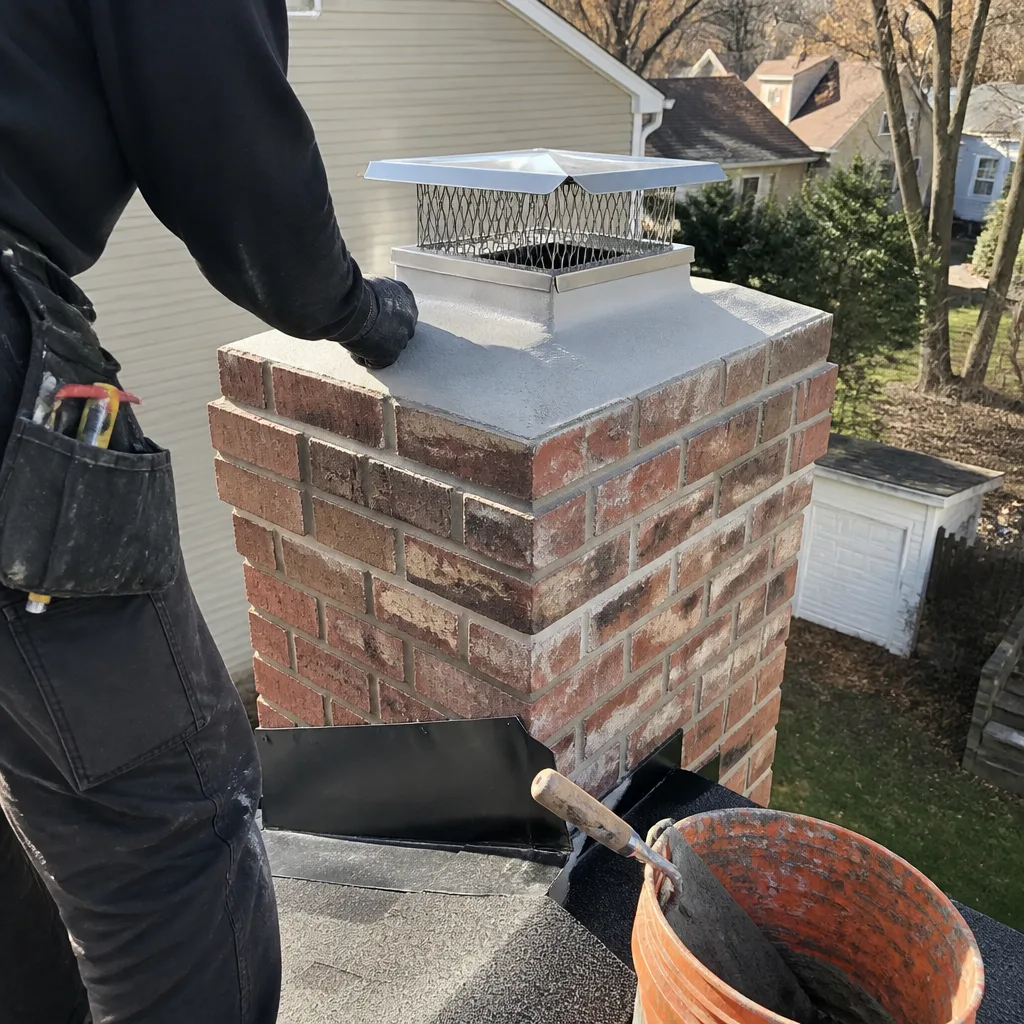
Spring is also when we document crown condition for our customers. A cracked crown won’t heal itself. HeatShield crown sealant or a poured concrete rebuild, depending on severity, stops the water before summer humidity compounds the problem.
Summer Nesting Season: When Animals Move In
May through August is nesting season for Camden’s squirrel, starling, and raccoon populations. An uncapped flue is a hollow tree to them. We remove nests from chimneys in Fairview and Pyne Point every summer, and the pattern is consistent: the nest goes in during late May, juveniles fledge or emerge by mid-July, and the flue is blocked with twigs, leaves, and often deceased young by August.
A nest doesn’t just block draft. It’s a fire hazard, and it’s often soaked with urine that accelerates liner corrosion. More critically, a blocked flue forces combustion gases into living space. Carbon monoxide doesn’t announce itself.
Here’s our summer protocol:
- Inspect cap and screen condition after nesting season ends (late July to early August)
- Camera-scan the flue to confirm no partial blockages remain
- Document liner condition with photos, since acidic nesting debris may have etched the surface
- Replace damaged screens with stainless mesh sized to exclude animals while maintaining draft
We source caps and screening through Famco and Copperfield, procured via Haven’s buying network. The point isn’t the brand name; it’s that the mesh gauge and cap design actually fit your flue size and local animal pressure. A big-box cap with 3/4-inch mesh won’t stop a determined starling in Camden.
Late summer inspection has another advantage: the flue is thoroughly dry after months of non-use. Moisture hides cracks. A dry flue shows everything.
Fall Pre-Season: The Inspection Most People Get Wrong
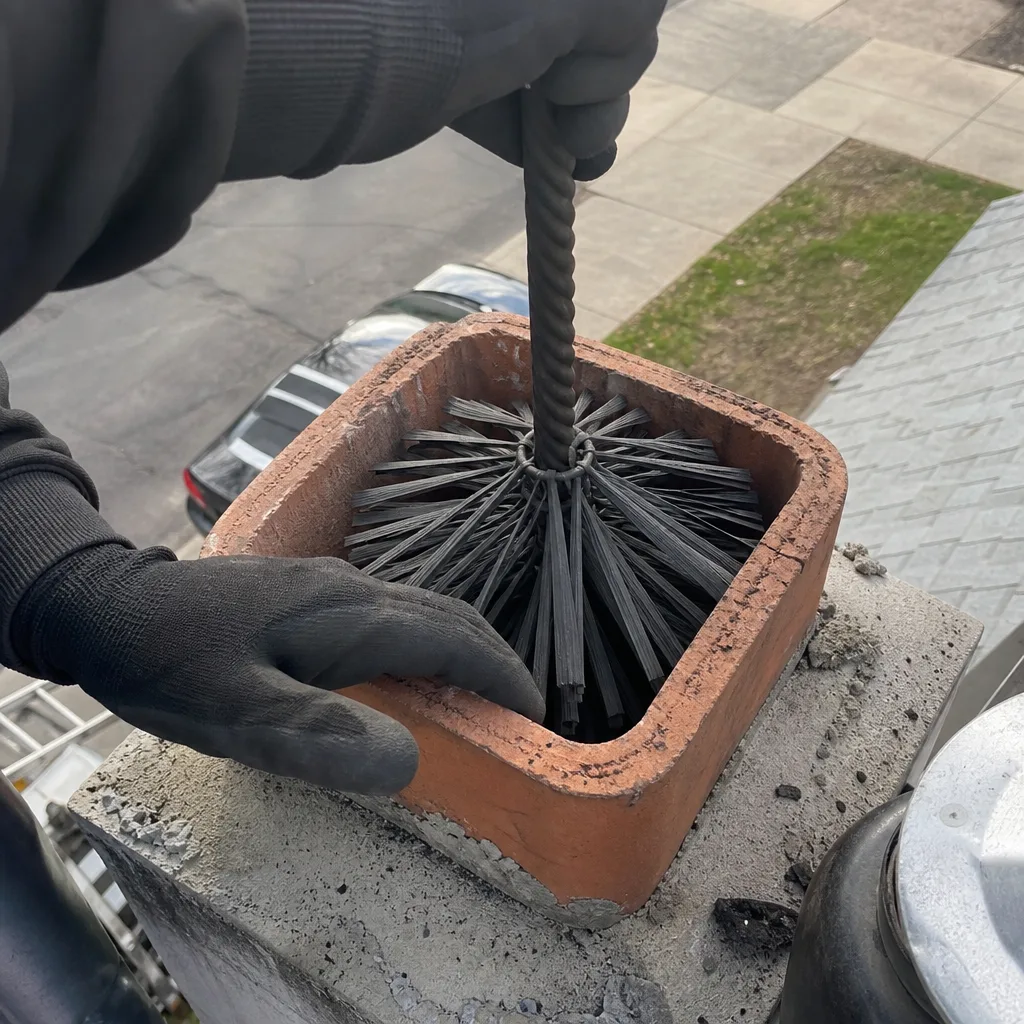
October is when every chimney company in South Jersey gets flooded with calls. The problem isn’t demand; it’s what happens to inspection quality when technicians are stacked six deep.
Here’s what a proper pre-season inspection covers, and what too many skip:
- Damper operation and seal. A warped or rusted damper leaks heated air all winter and won’t close fully to stop drafts in summer. We test seal with a smoke pencil and photograph the result.
- Smoke chamber condition. The area above the damper and below the flue liner should be smooth parged masonry. Corbelled brick or rough surfaces collect creosote and restrict draft. A proper inspection requires a light and a mirror, minimum; we use camera extension.
- Firebox integrity. Cracked refractory panels or missing mortar in a masonry firebox transfer heat to combustible framing. We measure crack width and location against NFPA 211 replacement criteria.
- Clearance to combustibles. Especially in Camden’s older housing stock, previous owners may have modified surrounds or installed aftermarket inserts without proper heat shields.
The fall inspection also sets your baseline for the burning season. We document creosote thickness, liner condition, and any needed repairs with dated photos. When you call next August, we compare. That’s how you catch deterioration before it becomes failure.
Our Fireplace Services in Camden include damper adjustment, smoke chamber parging, and firebox refractory replacement, all quoted in writing before work begins under Haven Standard Clause 1.
Month-by-Month Camden Chimney Action Calendar
This calendar assumes you’re burning wood through winter. If you have a gas insert or don’t use your fireplace, adjust accordingly.
January-February: Monitor while burning
- Check for smoke spillage when opening the loading door
- Note any unusual odors (moisture, animal, or chemical smells)
- Photograph the firebox interior monthly for comparison
March: Post-season assessment
- Schedule sweep and inspection after final fire, while creosote is fresh and easier to remove
- Request camera documentation of flue condition for your records
April-May: Address moisture damage
- Walk the exterior after heavy rain; look for new efflorescence or dripping at the cleanout
- Photograph any crown or flashing changes
- Schedule masonry repairs before summer humidity interferes with curing
June-July: Cap and animal vigilance
- Listen for animal activity (scratching, chirping, especially at dawn and dusk)
- Visually inspect cap from ground or roof edge if safely accessible
- Do NOT attempt to remove a live nest yourself; juvenile animals and protective mothers create legal and safety issues
August: Optimal inspection window
- Schedule comprehensive NFPA 211 Level 2 inspection
- Flue is dry, nesting season ended, contractor availability is highest
- Any needed repairs can be scheduled before October price pressure
September-October: Final pre-burn check
- Confirm all August recommendations were completed
- Test smoke and CO detectors
- Stock proper fuel: seasoned hardwood, not construction debris or painted wood
November-December: Burn season
- Maintain hot, complete burns rather than smoldering overnight
- Monitor for any changes from your established baseline
Winterizing an Unused Chimney: Cap, Damper, and Flashing
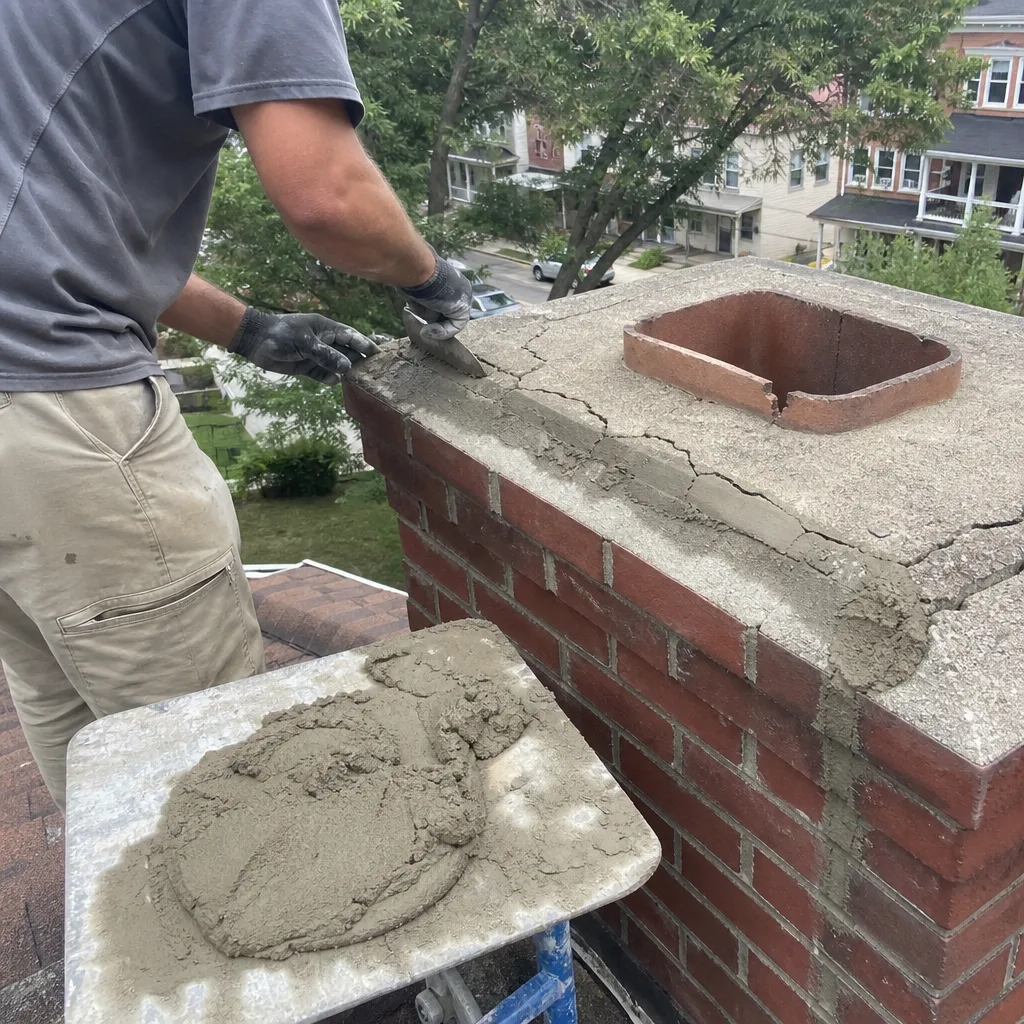
Some Camden homeowners stop using their fireplace entirely. The chimney still needs attention.
Closing the damper and forgetting it is not adequate. Dampers warp and seals degrade. A closed damper with a failed top seal still leaks heated air upward all winter, and still allows downdrafts that carry attic dust and odors into living space. More critically, a damper alone does nothing to stop water entry from above.
Proper winterization requires:
- Cap inspection and repair or replacement. The cap must have intact mesh sides and a solid top that overhangs the flue tile by at least 1.5 inches. We install caps sourced through Olympia Chimney and Famco with proper spark arrestor mesh.
- Damper seal test. If the damper won’t seal, we recommend a top-sealing damper installed at the flue top. It seals better than a throat damper and serves as a secondary rain barrier.
- Crown and flashing verification. An unused chimney suffers the same freeze-thaw damage as an active one. Water entry without regular drying fires actually accelerates deterioration.
- Documentation. Photos of the winterized state, so you know what was intact when you stopped using it.
For chimneys abandoned long-term, we sometimes recommend a flue liner cap with ventilation ports that allow minimal air exchange to reduce condensation, fully blocking the flue only if structural instability makes it unsafe. That’s a case-by-case determination based on camera inspection.
The Chimney Repair in Camden page details our masonry, crown, and flashing services for homeowners addressing seasonal damage.
What Seasonal Care Costs in Camden
Price transparency is Haven Standard Clause 1: written price, written scope, written warranty before any work starts. For a detailed Chimney Cleaning Cost Breakdown: The Camden Homeowner’s Reference for 2026, see our dedicated guide. Here’s what Camden homeowners should expect for seasonal chimney maintenance:
| Service | Typical Range in Camden Market | What’s Included |
|---|---|---|
| NFPA 211 Level 2 Inspection with Camera | $249-$349 | Interior flue scan, exterior condition assessment, documented photo record, written findings report |
| Chimney Sweep (Class I-II Creosote) | $189-$279 | Rotary or manual cleaning, debris removal, post-sweep camera verification |
| Class III Creosote Removal | $450-$750 | Chemical treatment or rotary restoration cleaning, multiple passes, extended documentation |
| Crown Seal (minor cracks) | $350-$550 | Surface prep, HeatShield or similar flexible sealant application, curing protocol |
| Crown Rebuild (severe deterioration) | $1,200-$2,400 | Form and pour new concrete crown, proper overhang and drip edge, mesh reinforcement |
| Stainless Chimney Cap with Screen | $285-$525 installed | Properly sized cap, storm collar, installation and seal |
| Top-Sealing Damper | $650-$950 | Damper assembly, cable or chain operation, seal test, documentation |
| Firebox Refractory Panel Replacement | $400-$800 | Factory-matched panels, proper clearances, heat-cure protocol |
These ranges reflect Camden’s market specifically. North Jersey and Philadelphia metro pricing runs 15-25 percent higher for equivalent scope. We maintain our pricing through Haven’s materials buying network and by scheduling efficiently in the August window.
Every estimate from Level Two Chimney Camden is free, written, and valid for 30 days. Our Free Second Opinion policy applies to any competitor’s written quote: bring it in, and we’ll review scope and pricing against what we find.
Common Mistakes to Avoid
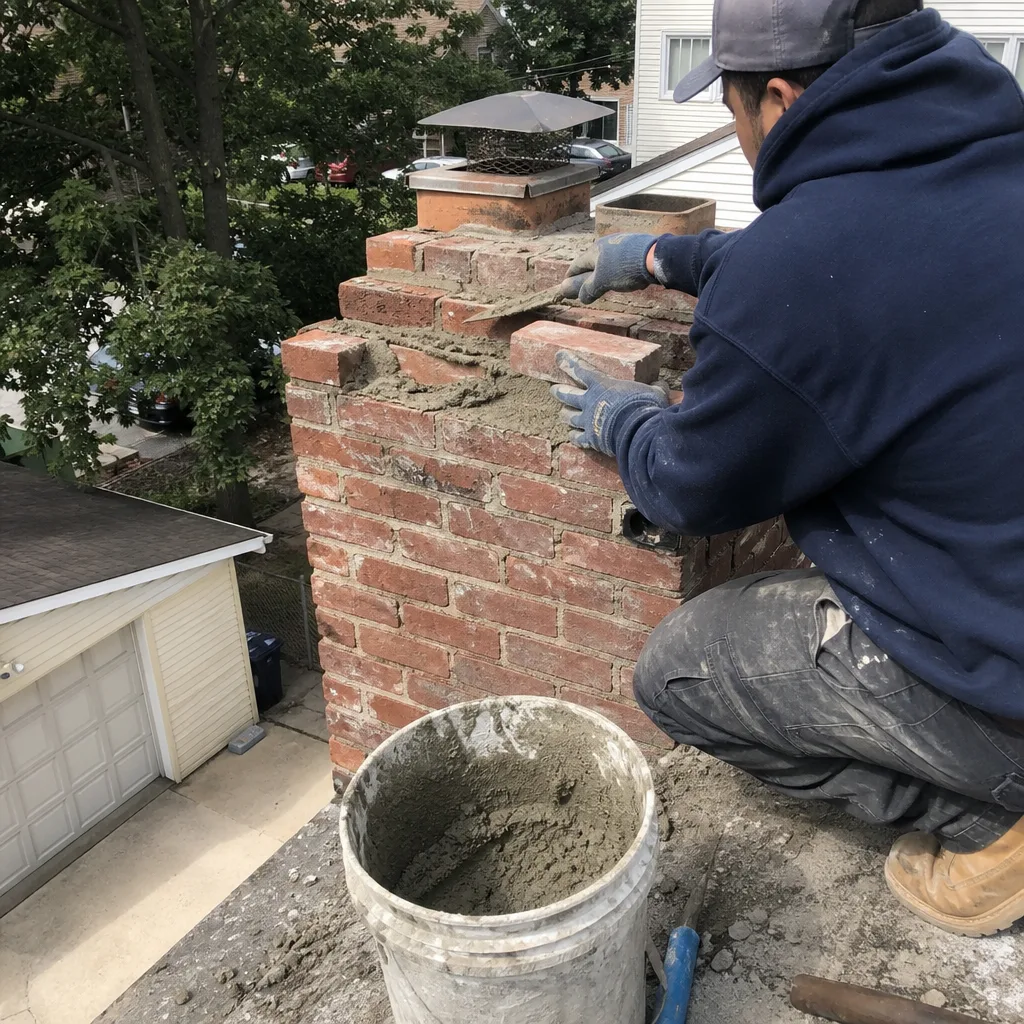
- Waiting for October to call. By then, Camden contractors are booked two weeks out, prices firm up, and you’re burning through whatever damage accumulated since March. August scheduling saves money and stress.
- Assuming no smell means no problem. Carbon monoxide is odorless. A blocked flue or cracked liner can vent silently into your home. Camera inspection is the only verification.
- DIY creosote removal with hardware store chemicals. Most consumer products contain salts that corrode stainless liners and provide false confidence. Class III glazed creosote requires mechanical removal; chemicals alone won’t do it.
- Installing a chimney cap without inspecting the flue first. Trapping an existing blockage or animal inside makes everything worse. Always inspect, then cap.
- Ignoring spalled brick “because it’s just cosmetic.” Spalling indicates active water infiltration. The face of the brick is gone; the interior is now exposed to accelerated freeze-thaw. Delay turns $800 repointing into $4,000 rebuild.
- Trusting a “sweep” that doesn’t use a camera. NFPA 211 Level 2 requires visual inspection of all accessible interior surfaces. A flashlight from the top or bottom is not sufficient. Clause 4 of the Haven Standard requires photo documentation precisely because verbal reports are unverifiable.
- Using unseasoned wood “because it was cheap.” Wood with moisture content above 25 percent burns incompletely, producing Class II and III creosote rapidly. In Camden’s humid summers, even stored wood may need 18-24 months to season properly.
When to Call a Professional
Call for inspection before the situation becomes urgent. Specifically: if you notice white staining on exterior brick, rust in the firebox, smoke entering the room on startup, animal sounds from the flue, or any change from your established baseline after a season of use. If your last inspection was more than 12 months ago, or if you’ve never had a camera inspection, schedule one.
Level Two Chimney Camden offers free estimates throughout Camden - call (856) 741-9572. Our technicians are background-checked, uniformed, and assigned by name; you’ll get a text when yours is en route. Every visit includes NFPA 211 Level 2 camera inspection and a documented photo record under Haven Standard Clause 4, running continuously since 2009.
Frequently Asked Questions
A standard chimney sweep in Camden typically runs $189-$279 for Class I or II creosote, while heavy Class III glazed buildup runs $450-$750 due to extended cleaning time and chemical treatment. Every job starts with a camera inspection so we know what we’re dealing with before quoting. Call (856) 741-9572 for a free written estimate - we’ll give you the exact price for your specific flue condition.
NFPA 211 recommends annual inspection for all chimneys, and cleaning when creosote exceeds 1/8 inch thickness. In Camden’s climate, wood-burning fireplaces used regularly through winter typically need sweeping annually; gas appliances need inspection but rarely cleaning. The critical factor isn’t calendar time alone - it’s what the camera shows. We’ve documented flues that needed cleaning after one heavy season, and others that stayed clean for two years with proper burning practices.
You need a new liner when the existing one is damaged beyond repair or absent entirely, which we determine by camera inspection and NFPA 211 criteria - not by sales pressure. Cracked clay flue tiles, deteriorated mortar between tiles, or gaps in a metal liner allow heat and combustion gases to reach combustible framing. We show you the camera footage, explain the specific failure mode, and provide a written scope with alternatives where they exist. Sometimes partial relining with DuraFlex stainless solves the problem; other times, full liner replacement is the only safe option. You decide after seeing the evidence.
Skipped maintenance leads to three predictable outcomes: creosote accumulation increases chimney fire risk (over 25,000 annual U.S. chimney fires, per NFPA data); moisture infiltration destroys masonry from inside, turning minor cracks into major rebuilds; and undetected liner damage can vent carbon monoxide into living space. In Camden’s older housing stock, the structural and health risks compound faster than in newer construction. The cost of prevention is consistently lower than the cost of repair after failure.
August offers four advantages: the flue is thoroughly dry after months of non-use, revealing cracks that winter moisture hides; animal nesting season has ended, so we’re not disturbing active nests; contractor availability is highest, allowing flexible scheduling and competitive pricing; and any needed repairs can be completed before October urgency drives demand and compresses timelines. We’ve offered this guidance to Camden homeowners since 2009, and the pattern holds: August callers get more thorough inspections and better repair pricing.
A Level 1 inspection is a visual examination of readily accessible portions of the chimney exterior and interior, appropriate when no changes have been made to the system and usage is consistent. A Level 2 inspection, which we perform as standard on every visit, includes camera examination of internal surfaces, inspection of accessible attics and crawl spaces for clearances, and documentation of all findings. In Camden’s market, most competitors charge extra for camera work or don’t offer it. Clause 4 of the Haven Standard makes it default - we’ve done it this way since 2009, because a flashlight inspection misses what a camera catches.
The Bottom Line
Camden’s four-season climate treats chimneys differently than milder regions. Winter deposits creosote and condensation, spring drives moisture through cracked masonry, summer invites animal intrusion, and fall demands verified readiness. The homeowners who protect their investment treat chimney care as year-round maintenance, not a single October appointment - explore more guides & resources to stay ahead of seasonal problems. Schedule your inspection in August, document everything with camera evidence, address findings before cold weather, and burn with confidence. The 38,000+ chimneys we’ve inspected since 2009 taught us this: the expensive repairs almost always trace back to something that was visible - and addressable - months earlier.
Written by Corrine Halstead, Owner at Level Two Chimney Camden, serving Camden since 2009.