
Last updated September 21, 2026
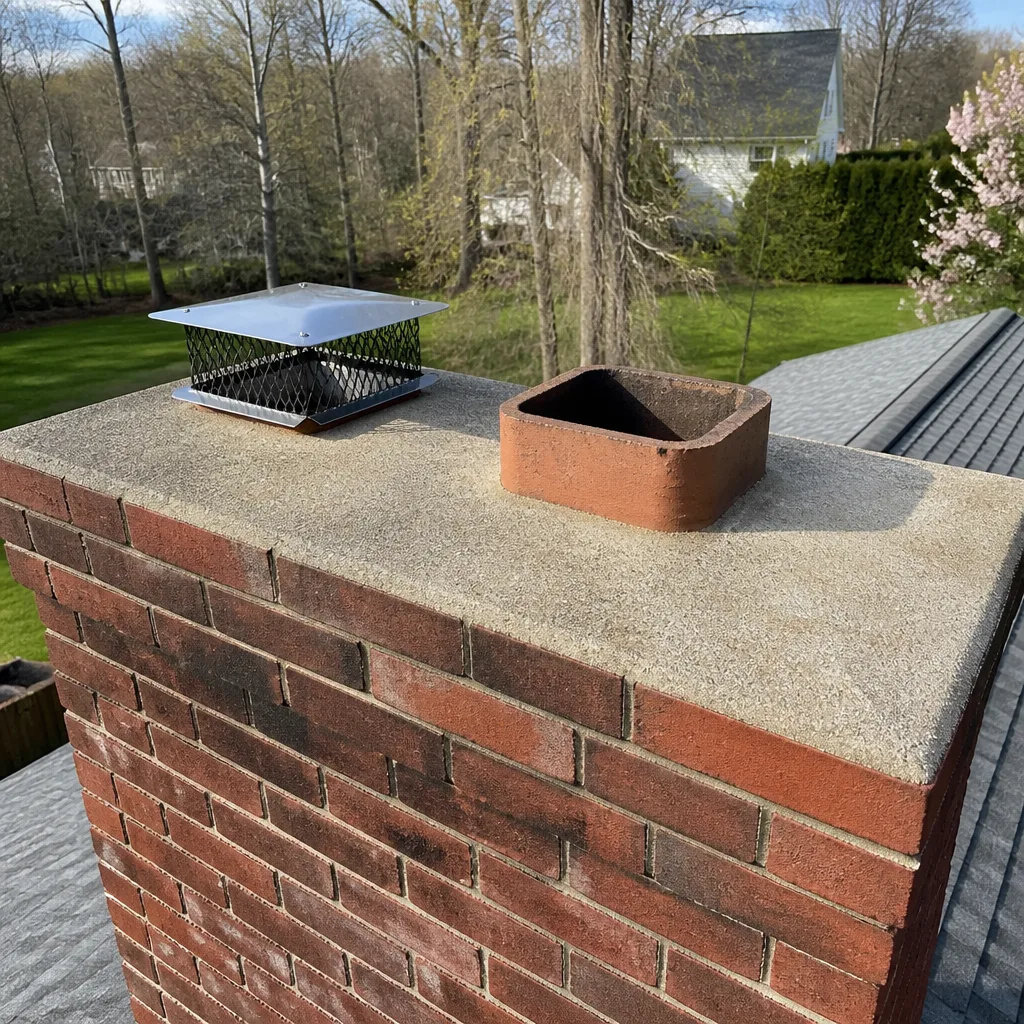
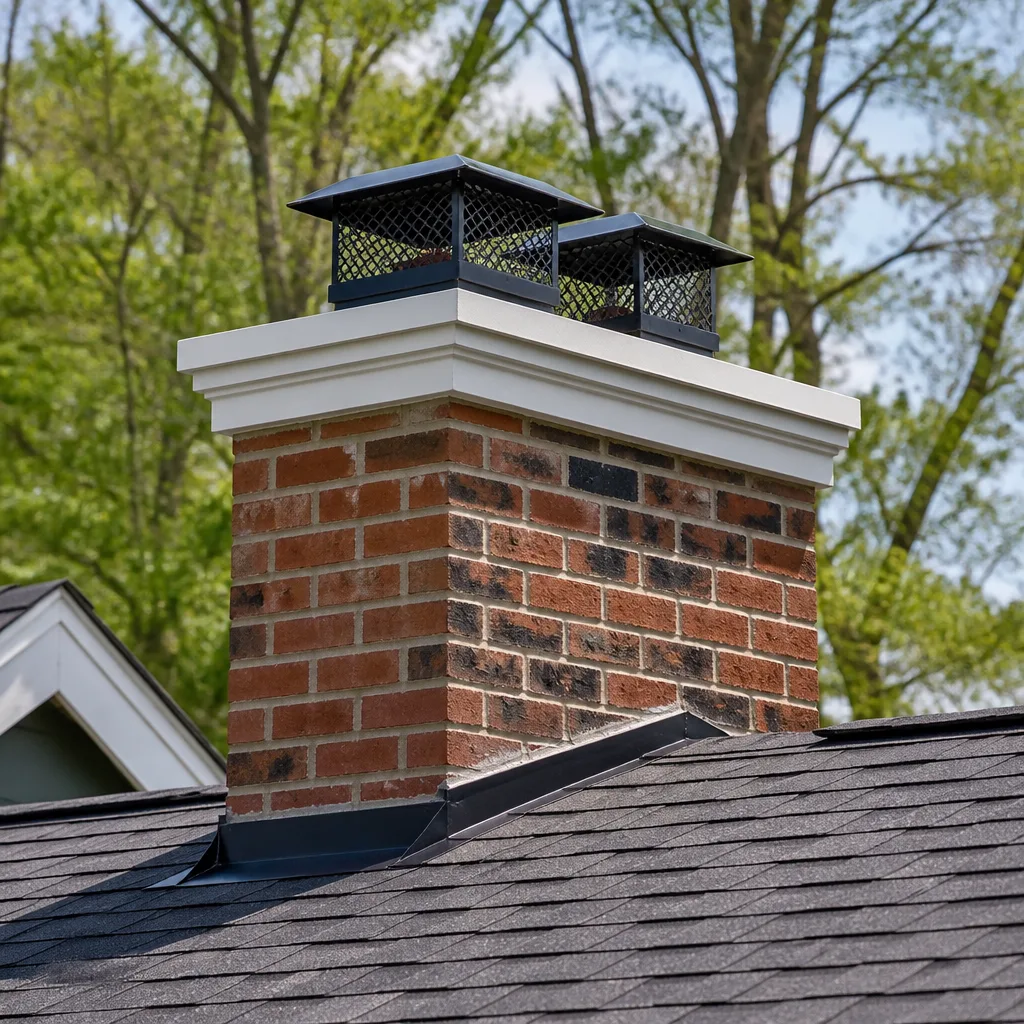
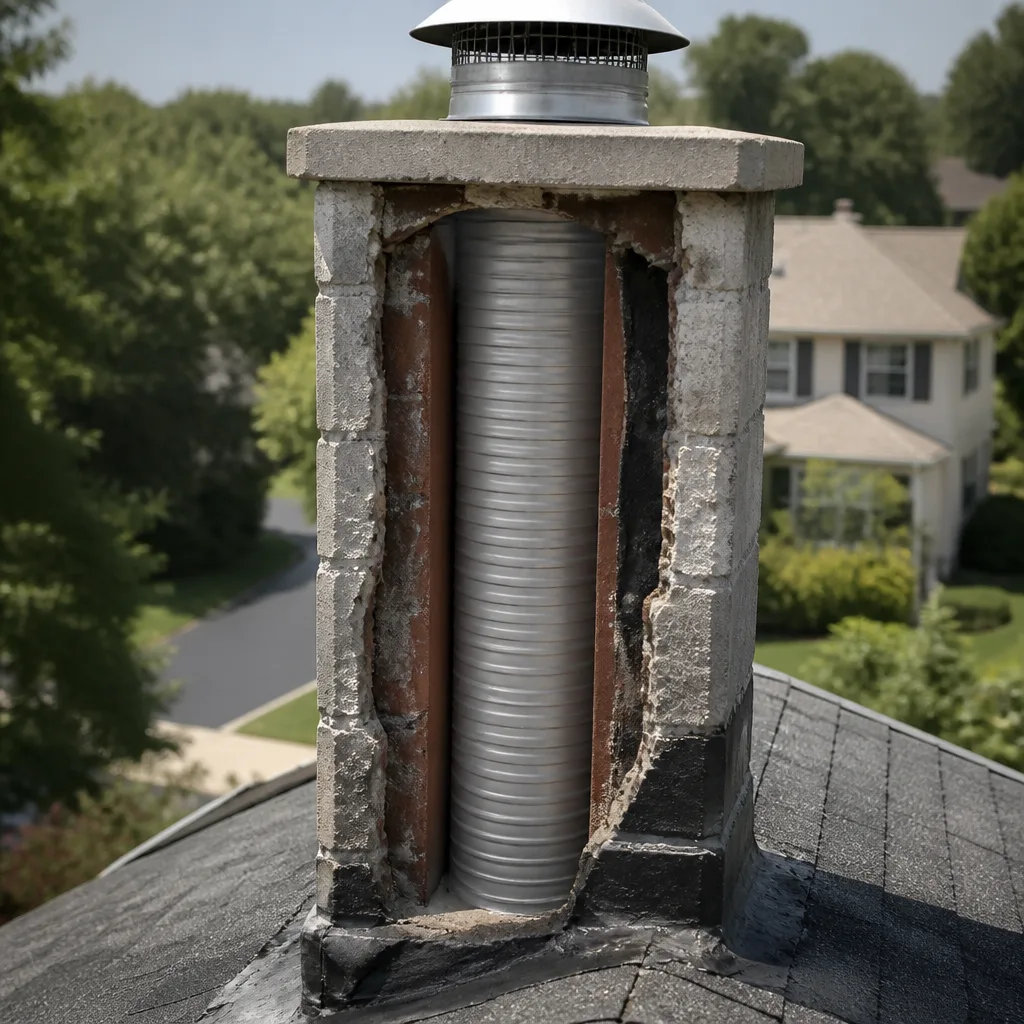
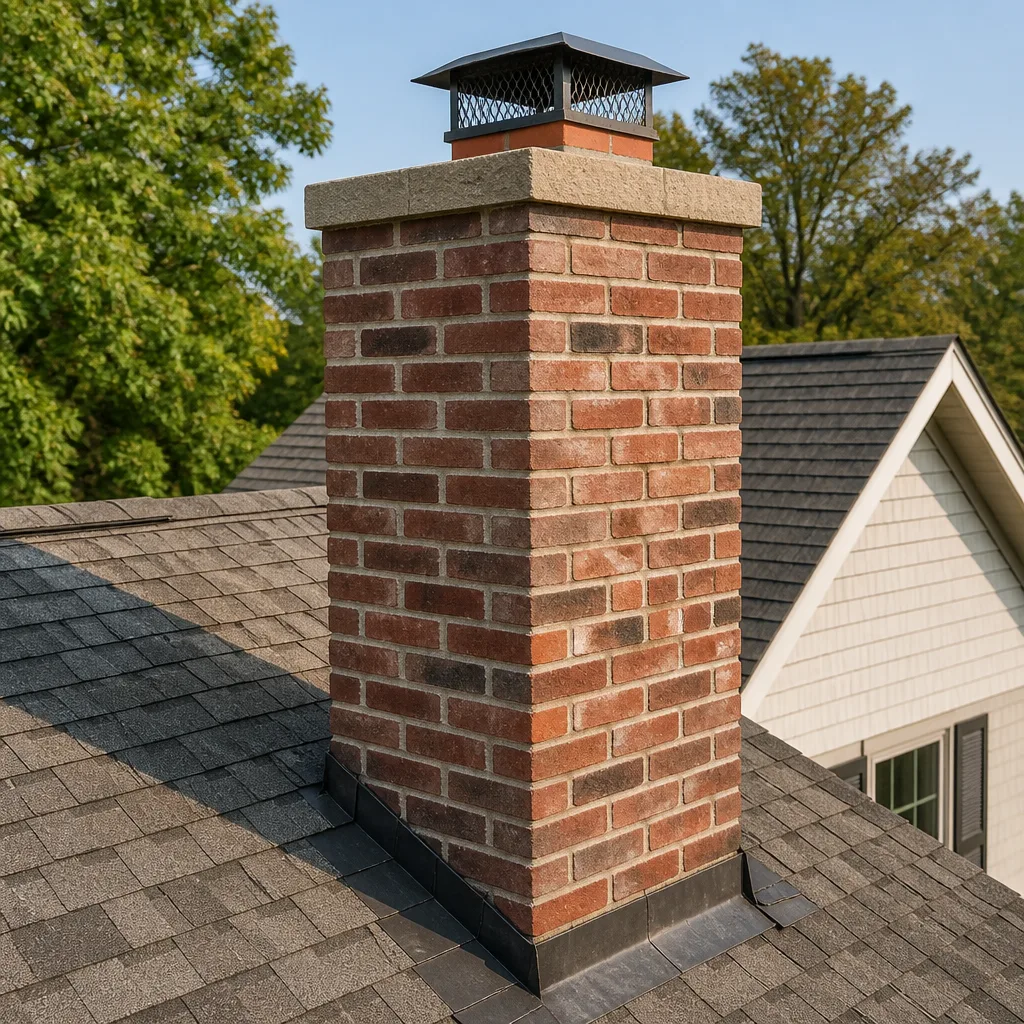
Level 1 sweep and inspection to the NFPA 211 annual standard - flue, crown, cap, and flashing checked and photographed
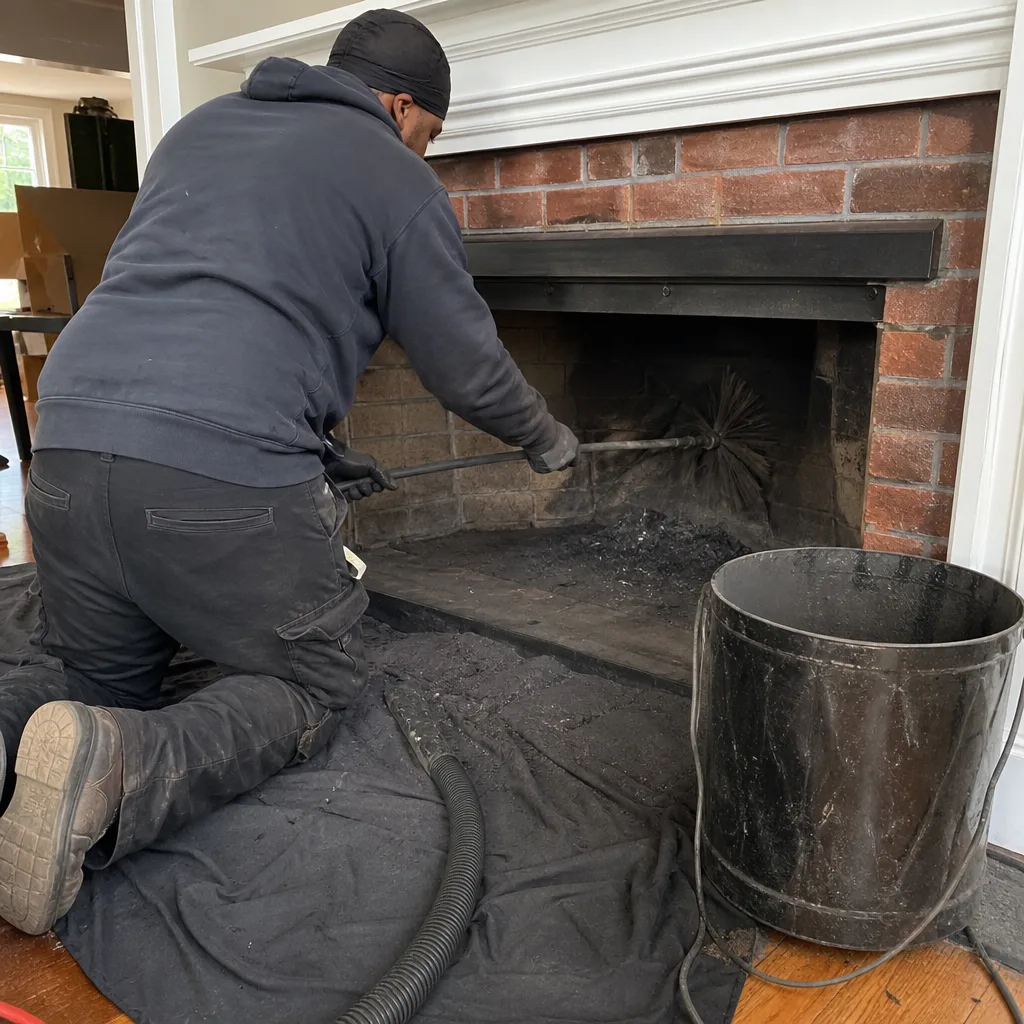
Chimney sweep logs do not sweep chimneys. They loosen some creosote - which then falls where a brush and vacuum still have to collect it.
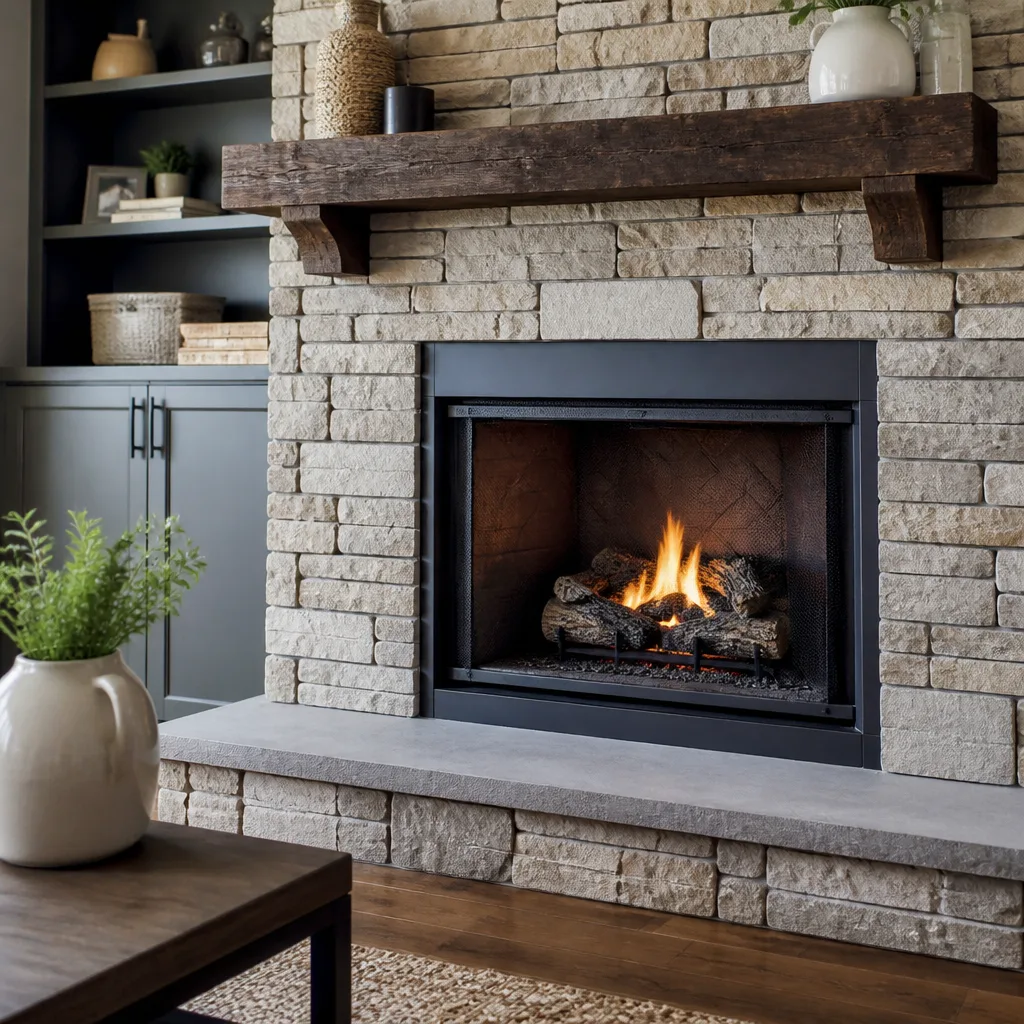
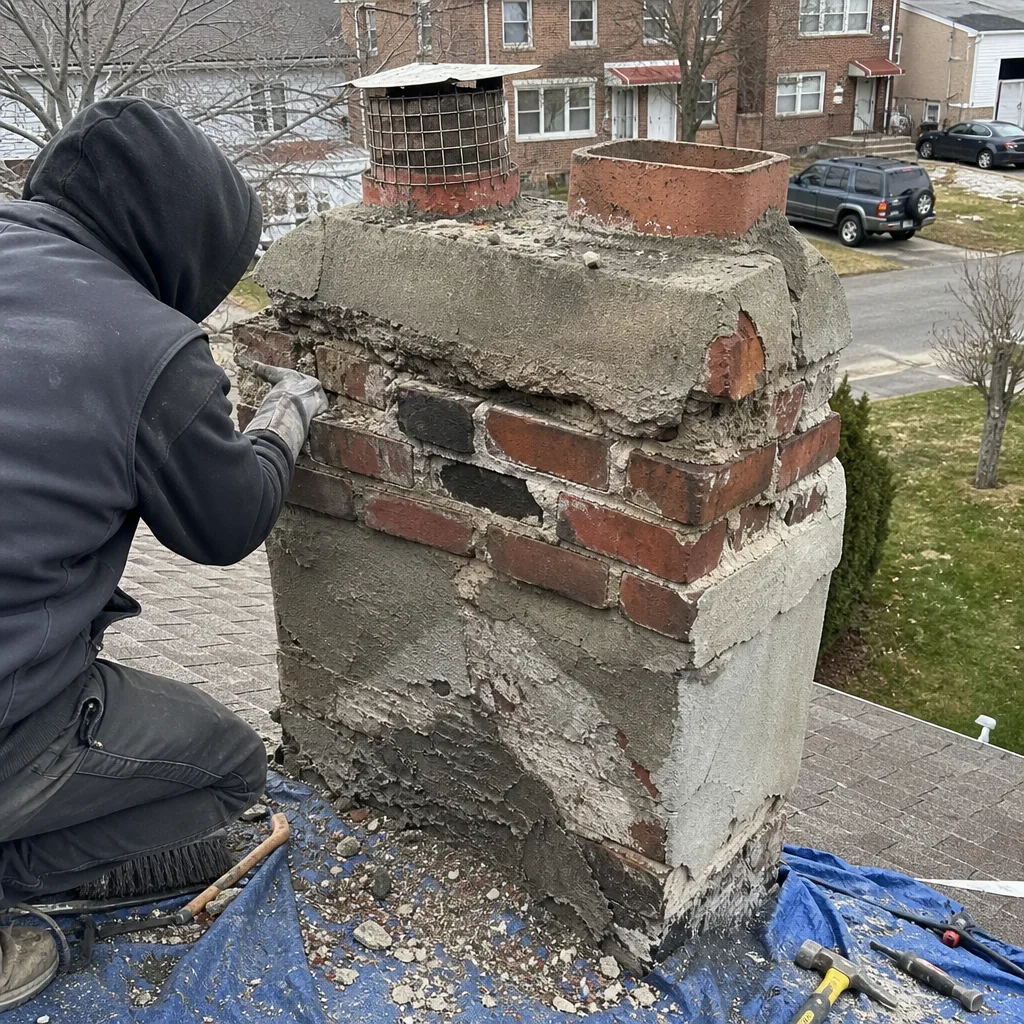 Before
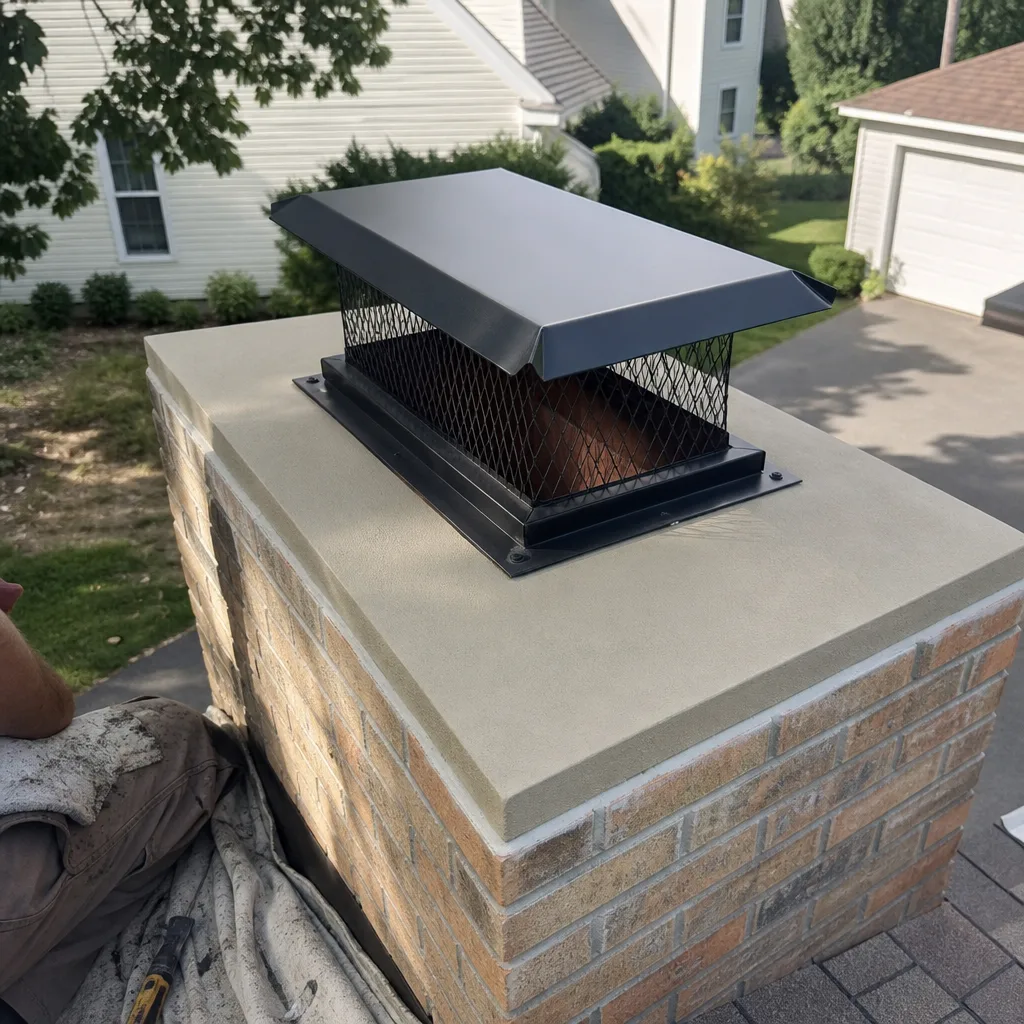 After
After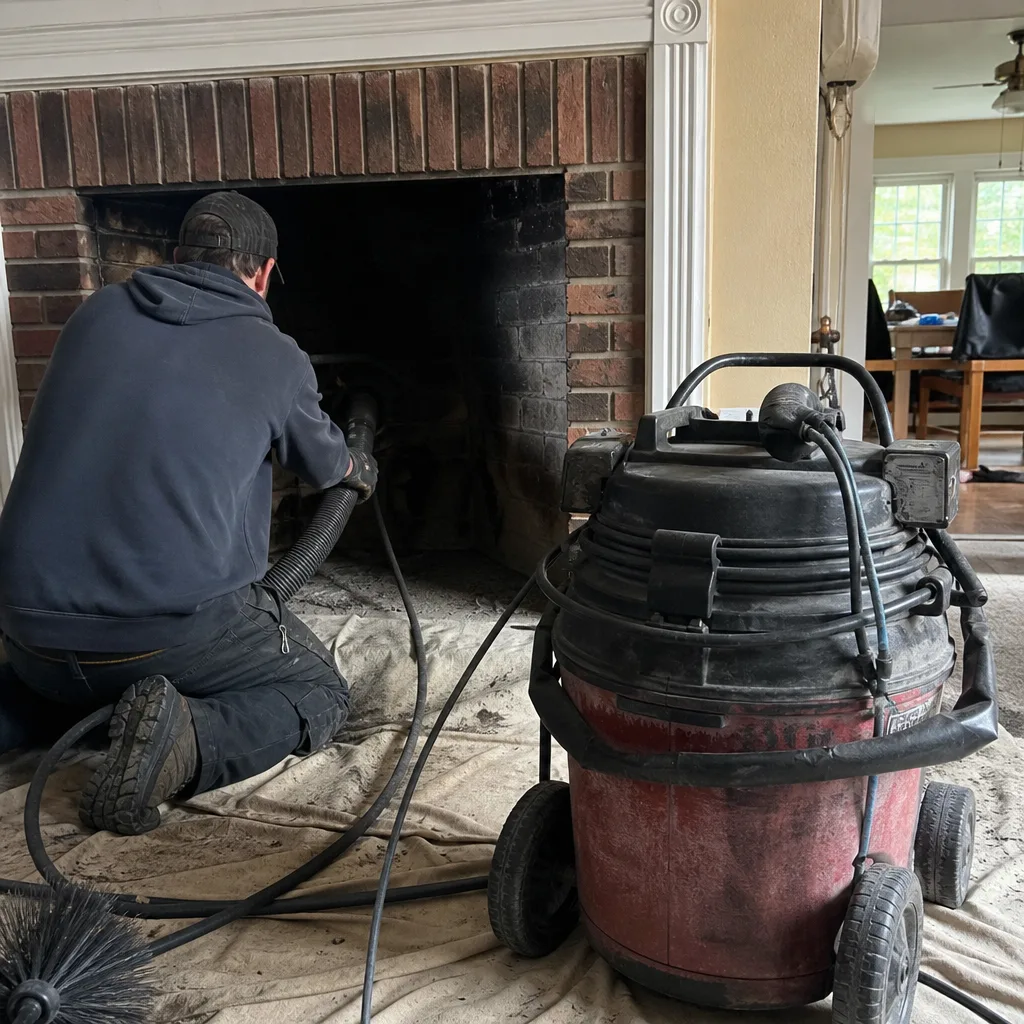 Before
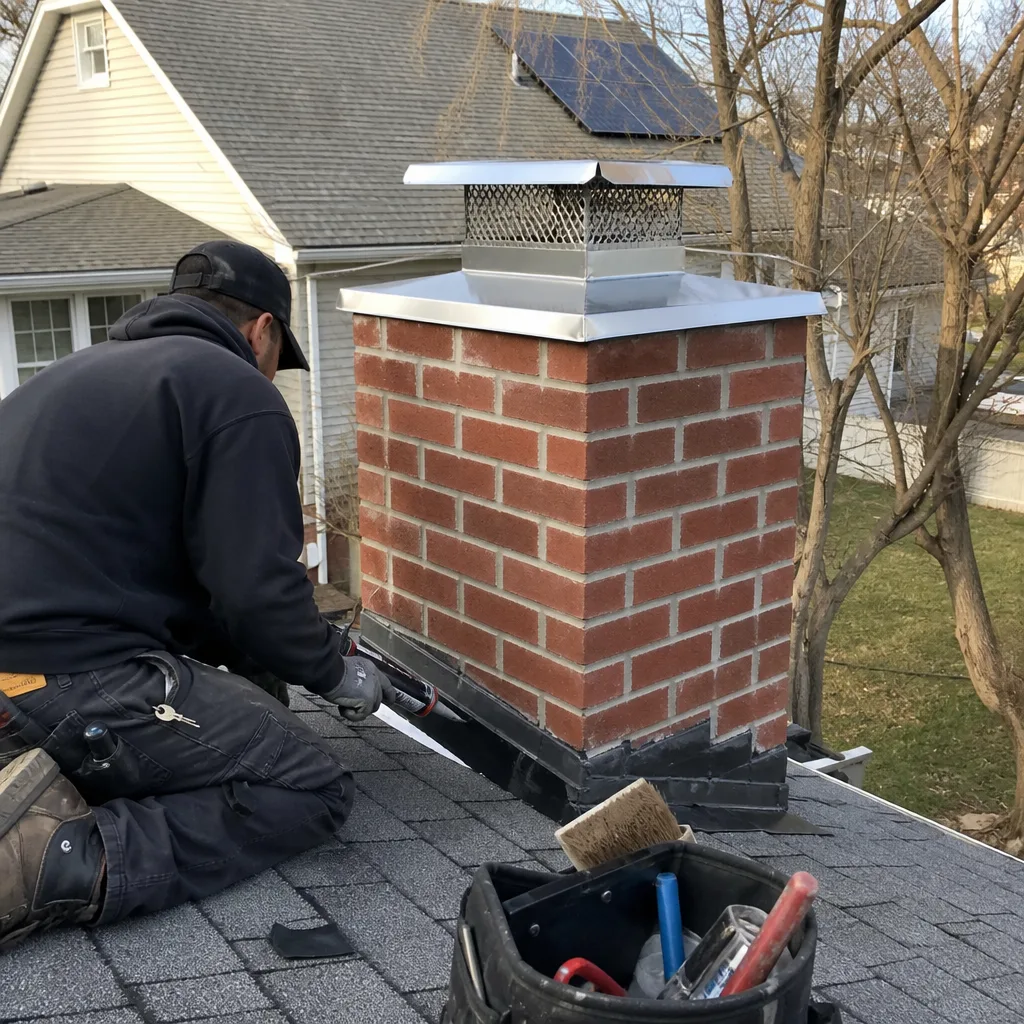 After
After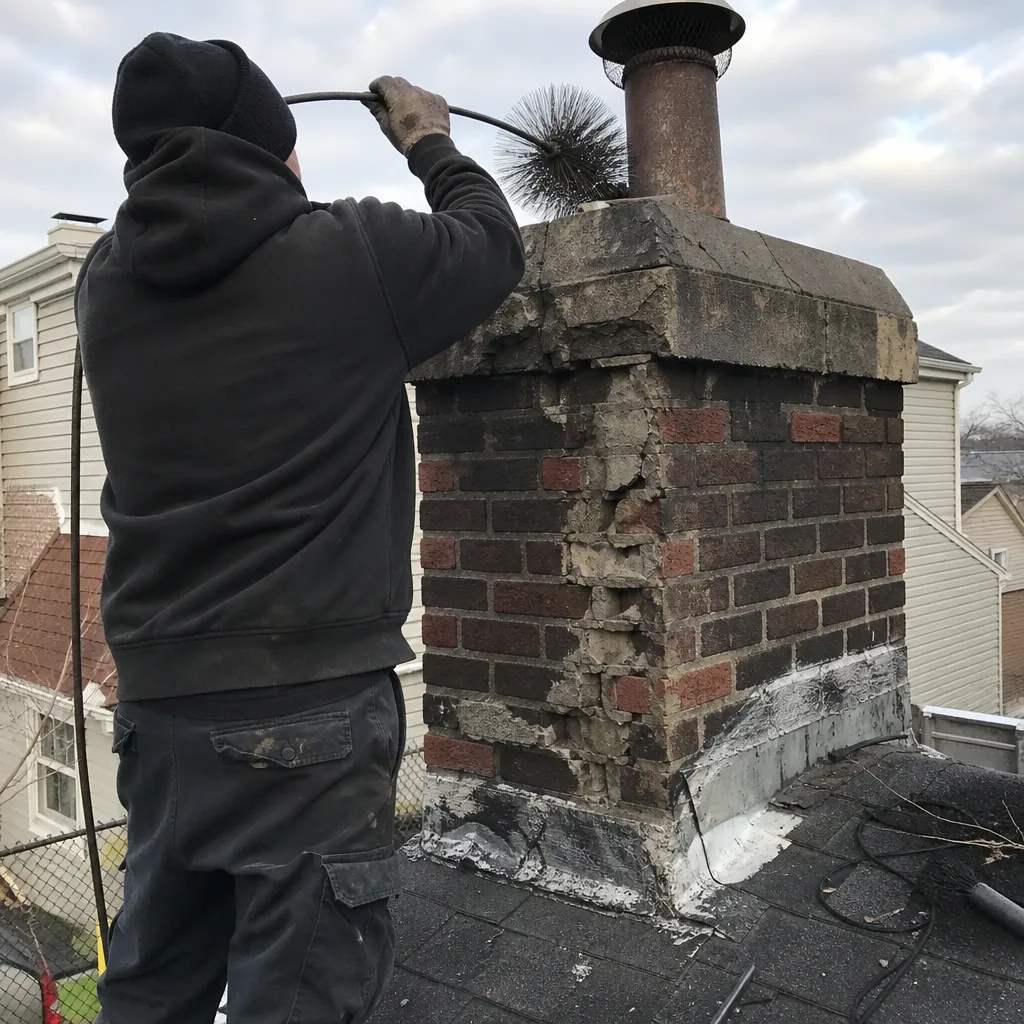 Before
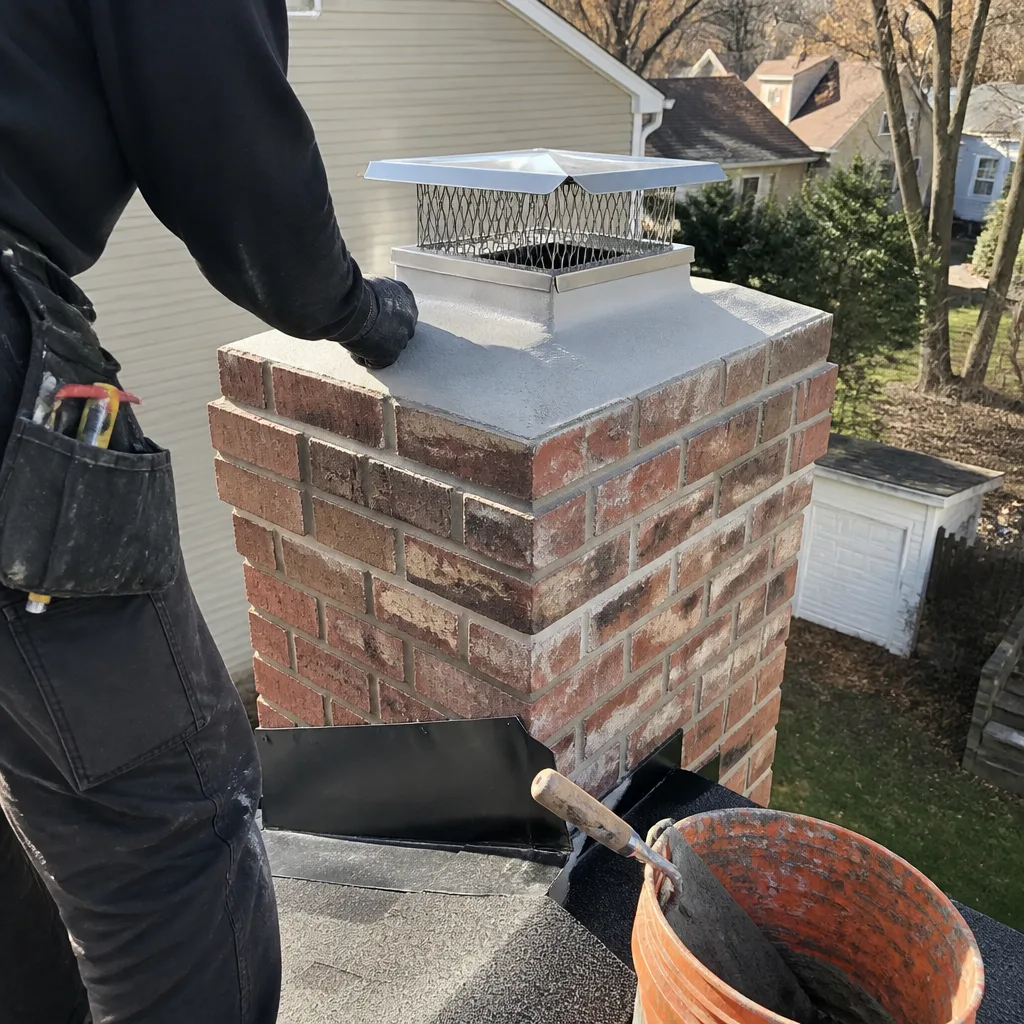 After
AfterChimney Cleaning Permits, Codes & Inspections in NJ: What You Need to Know
A Camden homeowner had a liner replacement done without a permit. The work was clean. The problem appeared two years later when their insurance carrier denied a smoke-damage claim because the liner installation lacked a CO inspection sign-off. This happens more than people realize. New Jersey’s Uniform Construction Code governs chimney work in ways most homeowners never encounter until they’re selling a house or filing an insurance claim. In this guide, we’ll explain which chimney jobs require permits in NJ, which inspections satisfy insurer and underwriter requirements, and how NFPA 211 fits into that framework. Whether you own a 1920s row home in Cramer Hill or a 1980s split-level in Collingswood, the rules apply to your flue.
Quick Answer
Chimney cleaning and routine sweeping in New Jersey do not require permits under the Uniform Construction Code. However, liner replacements, new firebox construction, fuel-type conversions, and structural repairs do require permits and inspections by your local Authority Having Jurisdiction. An NFPA 211 Level 2 inspection with camera documentation satisfies most insurance underwriter requirements for real estate transactions and post-event claims.
Table of Contents
- Which Chimney Jobs Require NJ UCC Permits
- How NFPA 211 Level 2 Inspection Aligns with NJ Insurance Requirements
- The Role of Your Local AHJ in Camden County
- Code-Compliant Clearances for Camden Row Homes and Attached Housing
- How Written Inspection Records Function as Defensible Evidence
- Confirming Permit Status Before Buying a Home in Camden
- What Permits and Inspections Cost in the Camden Market
- Common Mistakes to Avoid
- When to Call a Professional
- Frequently Asked Questions
 Before
 After
AfterWhich Chimney Jobs Require NJ UCC Permits
New Jersey’s Uniform Construction Code, adopted under the NJ State Uniform Construction Code Act (N.J.S.A. 52:27D-119 et seq.), draws from the International Building Code and International Mechanical Code with state-specific amendments. For chimneys, the permit trigger is structural change, fuel conversion, or new installation. Not maintenance.
Here’s what requires a permit in Camden and throughout NJ:
- Liner replacement or relining - whether stainless steel, aluminum, or cast-in-place. The UCC treats this as an alteration to the venting system.
- New firebox or hearth construction - any masonry rebuild affecting the combustion chamber.
- Fuel-type conversion - switching from wood to gas, oil to wood, or any combination. Each fuel has distinct venting requirements under NFPA 211 and the International Fuel Gas Code.
- Structural chimney repair - rebuilding above the roofline, crown replacement with dimensional change, or adding a new flue.
- New chimney installation - factory-built or masonry.
What does not require a permit:
- Chimney sweeping and chimney cleaning in Camden
- NFPA 211 Level 1 or Level 2 inspection
- Cap installation (non-structural)
- Minor crown sealing with appropriate rated materials
- Smoke chamber parging with listed products like HeatShield
The distinction matters because unpermitted work can void homeowner’s insurance policies. We’ve seen this in Camden specifically, where older housing stock means liner replacements are common. A stainless steel liner from DuraFlex or Olympia Chimney installed without permit and inspection becomes invisible to the building department until a claim arises. Then it’s a problem.
Permit applications in Camden typically require:
- A site plan or property survey
- Manufacturer specifications for the liner or appliance
- Load calculations for the flue (especially important for gas conversions)
- Contractor license and insurance documentation
The local building department then issues a permit number, schedules inspections, and provides a Certificate of Completion or Certificate of Approval. That document is what your insurance underwriter wants to see.
How NFPA 211 Level 2 Inspection Aligns with NJ Insurance Requirements
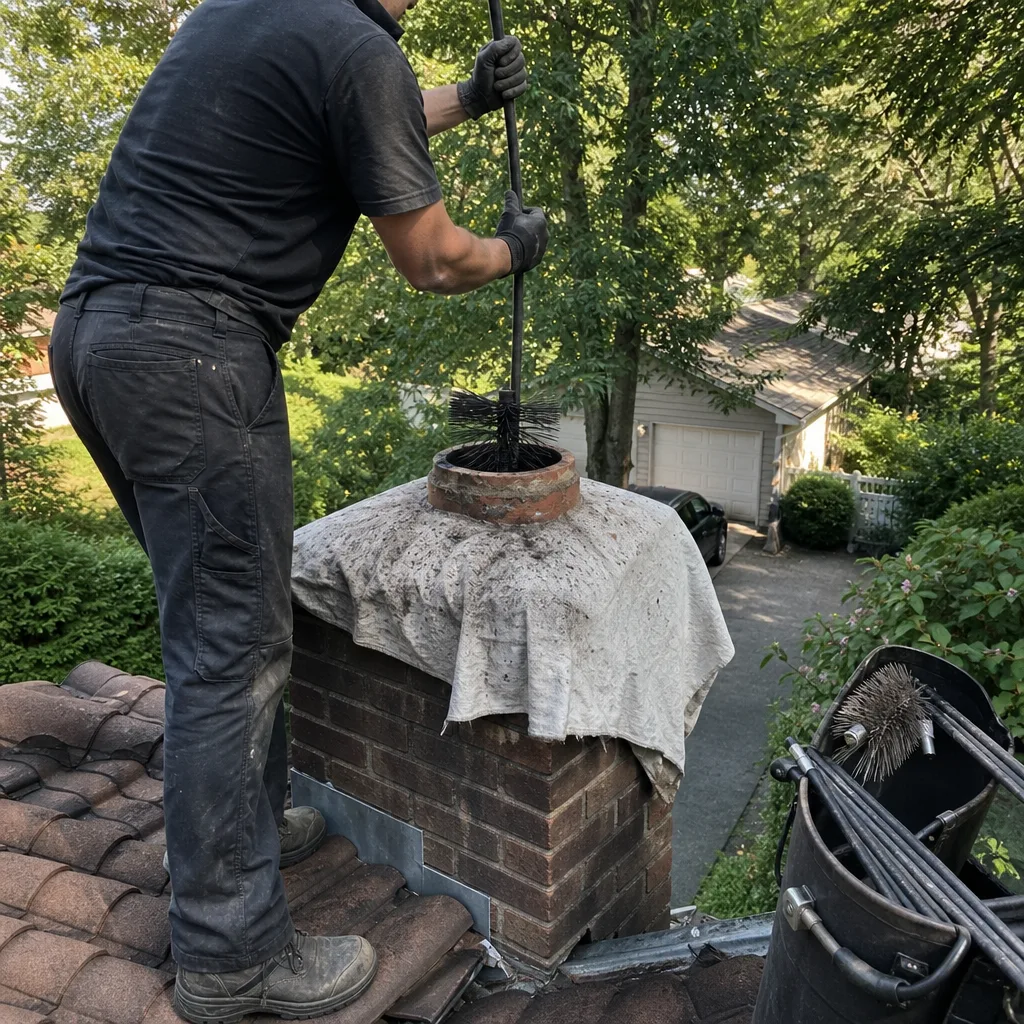
NFPA 211 is the National Fire Protection Association standard for chimneys, fireplaces, vents, and solid fuel-burning appliances. It defines three inspection levels. Level 1 is visual, accessible areas only. Level 2 adds internal camera inspection of the flue, accessible portions of the attic and basement, and evaluation of clearances. Level 3 involves demolition of building components and is reserved for suspected hazards requiring full access.
Level 2 is the inspection standard that matters for real estate transactions, insurance claims, and post-event investigations in Camden and across New Jersey.
Here’s why: New Jersey insurance underwriters, particularly those writing policies in Camden County’s higher-density markets, increasingly require documented evidence of flue condition before binding coverage on older homes, as outlined in our Chimney Cleaning Warning Signs: A Camden Homeowner’s Reference Guide. The NFPA 211 Level 2 inspection with camera documentation provides that evidence. It shows the internal condition of the flue liner, the presence and class of creosote buildup, and any gaps, cracks, or deterioration that could affect combustion gas containment.
At Level Two Chimney Camden home, we’ve performed more than 38,000 chimney inspections since 2009. Every one has included camera-scan documentation under Haven Standard Clause 4. That practice, established years before insurers routinely asked for it, means our clients have dated, photographed records of flue condition at specific points in time.
When does an NFPA 211 Level 2 inspection satisfy an insurance requirement?
- Real estate transactions - buyer’s underwriters may require Level 2 documentation before closing, especially for homes built before 1980.
- Post-fire or smoke-damage claims - carriers need to establish whether the chimney contributed to the loss through maintenance failure or pre-existing defect.
- Fuel conversion underwriting - switching to gas inserts often requires proof that the existing flue is compatible or has been relined.
- Annual policy renewal - some carriers in NJ’s coastal and urban markets now request recent inspection records for homes with active fireplaces.
The camera footage is the critical component. A flashlight look and a checklist don’t create defensible evidence. A video record of the flue interior, with the camera head traveling from firebox to crown, does. That’s why Haven Standard Clause 4 requires it on every job, not as an optional add-on.
The Role of Your Local AHJ in Camden County
AHJ stands for Authority Having Jurisdiction. In New Jersey, this is your municipal building department or, in some cases, the county construction office. For Camden residents, the AHJ is the Camden City Construction Code Official. In surrounding municipalities like Collingswood, Haddonfield, or Cherry Hill, each has its own construction office.
The AHJ does three things that matter for chimney work:
- Issues permits - reviews applications, verifies contractor licensing, and assigns permit numbers.
- Conducts inspections - typically rough inspection (mid-installation) and final inspection for permitted work.
- Maintains records - keeps permits and inspection results on file, often accessible through public records requests.
Here’s a Camden-specific consideration: the city’s building department maintains records dating to the 1990s in digital form, but older records may require an in-person request. If you’re buying a home in Cramer Hill, Cooper Grant, or Lanning Square, and the seller claims recent chimney work, verify the permit status directly. Don’t rely on a verbal assurance.
We’ve encountered situations in Camden where a previous owner installed a gas insert with a new liner but never pulled a permit. The work appeared professional. The liner was a quality stainless product. But without AHJ sign-off, the current owner had no documentation when their insurer questioned the installation after a minor basement CO alarm event. The absence of a permit created a coverage dispute that lasted months.
To check permit status in Camden:
- Contact the Camden City Construction Office with the property address
- Request a search for chimney, mechanical, or building permits within the relevant date range
- Ask specifically for final inspection sign-offs, not just permit issuance
- Request copies of any Certificates of Approval or Completion
If records are incomplete, a current NFPA 211 Level 2 inspection can establish baseline condition, but it cannot retroactively validate unpermitted work. That distinction is important. Camera documentation shows what’s there now. It doesn’t substitute for the AHJ inspection that should have occurred during installation.
Code-Compliant Clearances for Camden Row Homes and Attached Housing
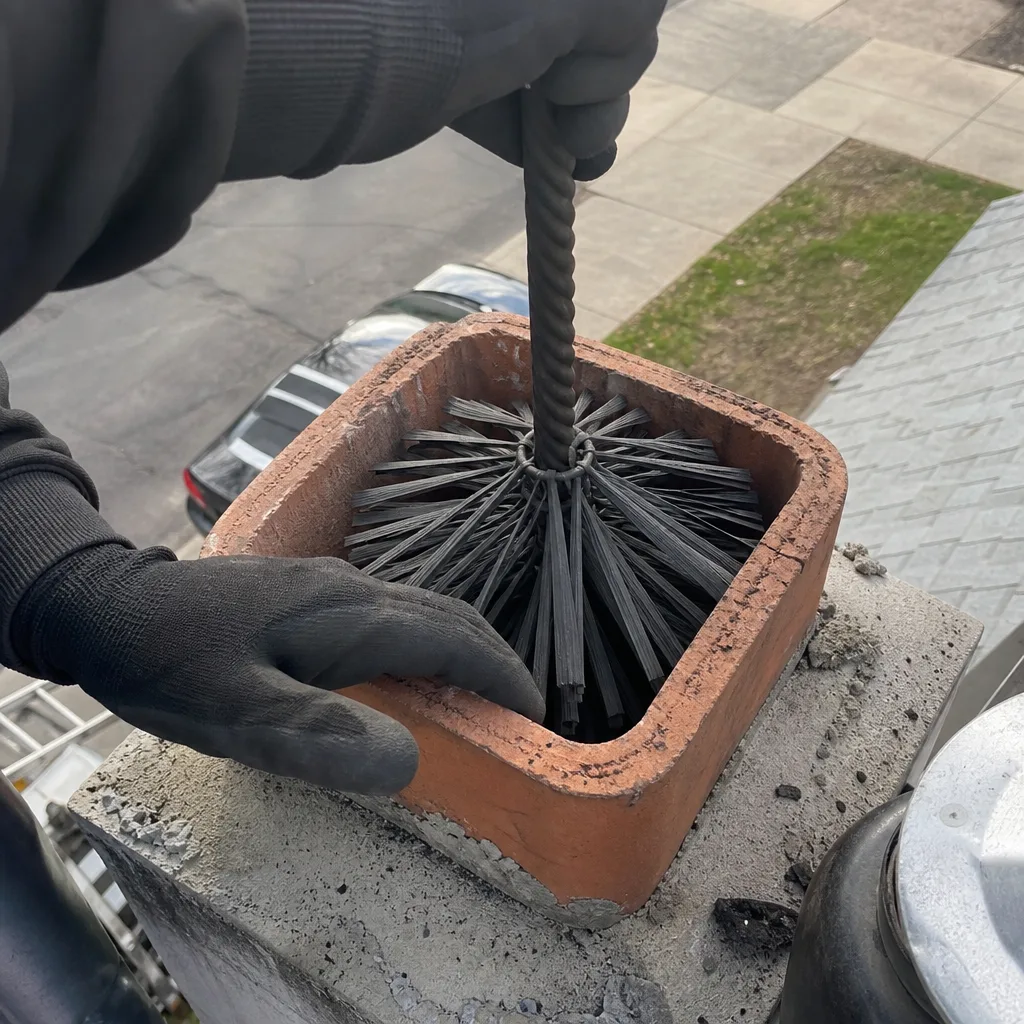
Camden‘s housing stock includes thousands of attached row homes, many built between 1880 and 1930. These structures share masonry walls, meaning chimney flues often run in close proximity to adjacent units. Code-compliant clearances, defined in NFPA 211 and the International Building Code, become especially critical in this context.
“Clearance to combustibles” means the minimum distance between the flue liner or masonry and any wood framing, lath, plaster, or other combustible material. Standard requirements:
- Masonry chimneys - 2 inches minimum clearance to combustibles, though many older Camden homes were built with less or with direct contact.
- Factory-built chimneys - per manufacturer’s listing, typically 2 inches or as specified.
- Gas vent connectors - 6 inches to combustibles unless listed for reduced clearance.
In row home construction, the party wall creates unique conditions. We’ve inspected flues in Camden‘s Cooper Lanning and Bergen Square neighborhoods where the chimney breast protrudes into an adjacent unit’s wall cavity. Without proper clearance, heat transfer through masonry can pyrolyze wood framing over years of use, lowering its ignition temperature. This is a slow, invisible hazard that camera inspection reveals only by showing liner condition and clearances where accessible.
The NJ Uniform Construction Code, through its adoption of the IBC, requires that any repair or alteration to existing chimneys in multi-family or attached structures maintain or improve clearances. You cannot legally reduce clearance during a repair. If original construction predates code requirements, the AHJ may require remediation to current standards when substantial work is performed.
For Camden homeowners, this means:
- Row home chimney work often costs more than detached home work due to access constraints and party wall considerations
- Permit applications may require neighbor notification or shared wall agreements
- Camera inspection should specifically document clearance conditions at ceiling and attic penetrations where visible
We’ve used Gelco and Famco components in Camden installations where space constraints required custom-fabricated solutions. The materials are sourced through our buying network to keep pricing honest, but the design still must satisfy AHJ review.
How Written Inspection Records Function as Defensible Evidence
A written inspection record with camera documentation serves as evidence in three common disputes: insurance claims, real estate negotiations, and neighbor or landlord-tenant conflicts. The record’s value depends on what’s in it and how it was created.
Here’s what makes a record defensible:
- Dated, time-stamped camera footage - showing the full flue run from firebox to crown, with the camera head visible for scale
- Written condition assessment - using standard terminology (spalling, delamination, Class I/II/III creosote, etc.) with definitions in plain language
- Clearance measurements - where accessible, with photos of measuring tools in place
- Recommendations with priorities - distinguishing immediate hazards from maintenance items that can be scheduled
- Written price for any recommended work - before any work begins, per Haven Standard Clause 1
We’ve provided records for Camden clients in insurance disputes where the carrier questioned whether a chimney defect was pre-existing. A dated camera record from three years prior, showing the same crack or gap, established that the condition was known and documented. In one case, this prevented a claim denial and shifted responsibility to a previous contractor who had failed to disclose the defect.
Real estate attorneys in Camden County increasingly request Level 2 documentation during due diligence. A clean record with camera footage can satisfy buyer concerns without requiring further invasive inspection. Conversely, a record showing needed repairs allows price negotiation based on specific, documented conditions rather than speculation.
Haven Standard Clause 4 requires this documentation on every job. Not because disputes are common, but because when they arise, the absence of evidence becomes the evidence. A homeowner who cannot produce records faces an uphill argument against an insurer or opposing attorney who can.
Confirming Permit Status Before Buying a Home in Camden
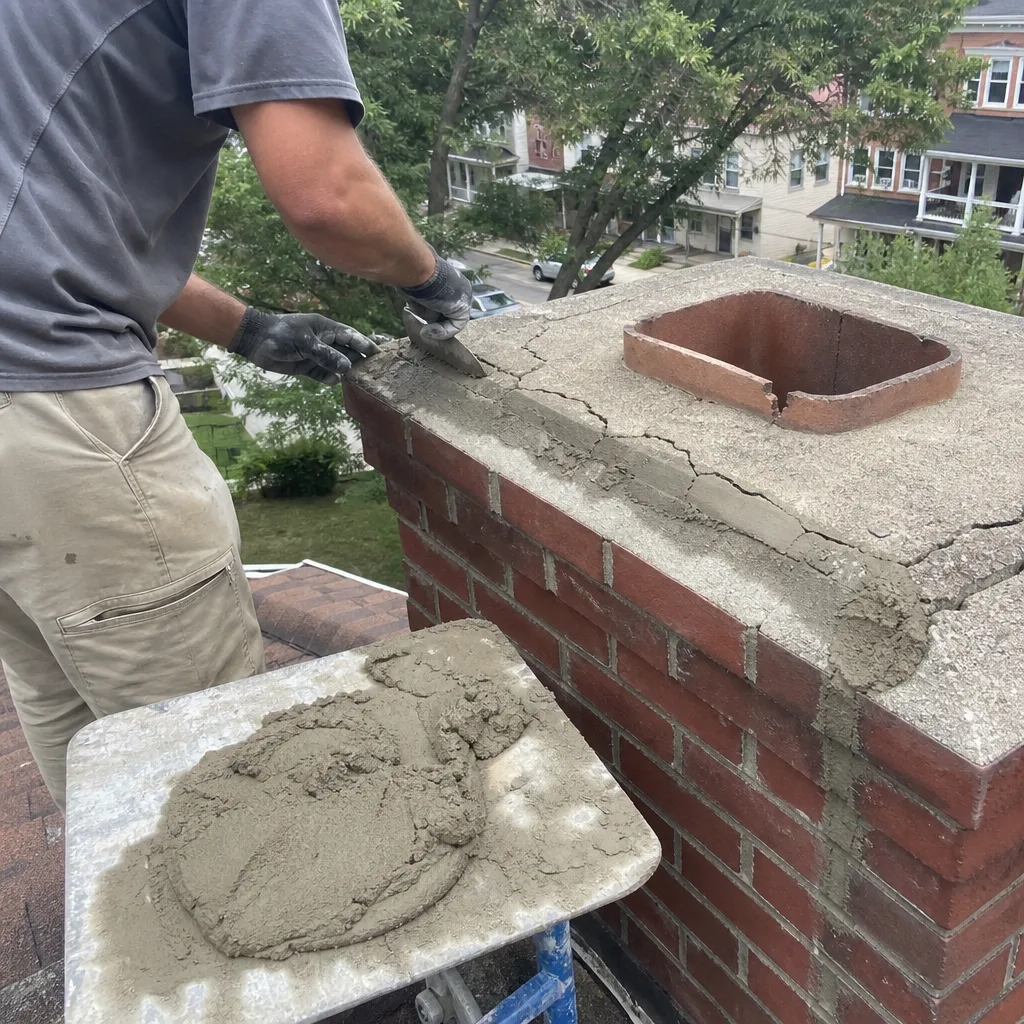
If you’re purchasing a home in Camden, Pennsauken, Merchantville, or any Camden County municipality, chimney permit verification should be part of your due diligence. Here’s a practical sequence:
- Request seller disclosures - NJ requires disclosure of known defects and recent work, but reliance on seller memory is risky.
- Search municipal records - contact the AHJ with the property address. Ask for all chimney, fireplace, mechanical, and building permits from 2000 forward.
- Verify final inspections - permit issuance alone doesn’t mean compliant completion. Confirm final inspection sign-off exists for each permit.
- Commission a current NFPA 211 Level 2 inspection - even with clean permit history, establish current condition. Chimney repair in Camden is common in older stock; know what you’re buying.
- Request transfer of warranties - if recent liner or cap work exists, confirm whether warranties transfer to new owners and what documentation is required.
In Camden‘s market, where first-time buyers often purchase renovated older homes, we’ve seen cases where cosmetic renovation masked unpermitted chimney work. A new fireplace surround and mantel don’t indicate proper liner or venting. Camera inspection reveals the difference.
If records show unpermitted work, you have options:
- Require the seller to obtain retroactive permit and inspection (difficult but possible for recent work)
- Negotiate price reduction reflecting the cost of proper permitting and any needed corrections
- Obtain a current Level 2 inspection and written scope for bringing the installation to code
- In some cases, walk away if the deficiency is structural and the seller won’t address it
Our Camden clients have used our written inspection records in purchase negotiations with specific dollar figures attached to documented conditions. “The flue liner shows delamination at 12 feet; replacement scope is $X” carries more weight than “the chimney might need work.”
What Permits and Inspections Cost in the Camden Market
Pricing for permits and inspections varies by municipality in Camden County, but here’s what Camden area homeowners typically encounter:
| Item | Typical Range in Camden County | Notes |
|---|---|---|
| Chimney liner replacement permit | $150-$400 | Varies by liner type and number of appliances served |
| New firebox / hearth construction permit | $200-$500 | May require plan review fee |
| Fuel conversion permit | $100-$300 | Gas work may require separate plumbing permit |
| Rough inspection | Included in permit | Scheduled by contractor during installation |
| Final inspection | Included in permit | Required for Certificate of Completion |
| NFPA 211 Level 2 inspection (private) | $250-$450 | Camera documentation included; not a municipal fee |
| Re-inspection fee (failed initial) | $50-$150 | Charged by some municipalities for callback inspections |
These are permit and inspection costs only, not the underlying work. For context, a stainless steel liner replacement in a Camden row home typically runs $2,800-$5,500 depending on flue height, diameter, and access conditions. The permit is a small fraction but essential for insurance validity.
At Level Two Chimney Camden, we handle permit applications as part of any scoped repair or installation. The permit fee appears as a line item in our written price, delivered before work starts under Haven Standard Clause 1. We don’t markup permit fees; they pass through at municipal cost. This transparency matters because some contractors bury permit costs or skip permits entirely to appear cheaper.
For fireplace services in Camden that don’t require permits, the Level 2 inspection with camera documentation still carries value. At $250-$450, it provides a documented baseline that can prevent future disputes and informs maintenance scheduling.
Common Mistakes to Avoid
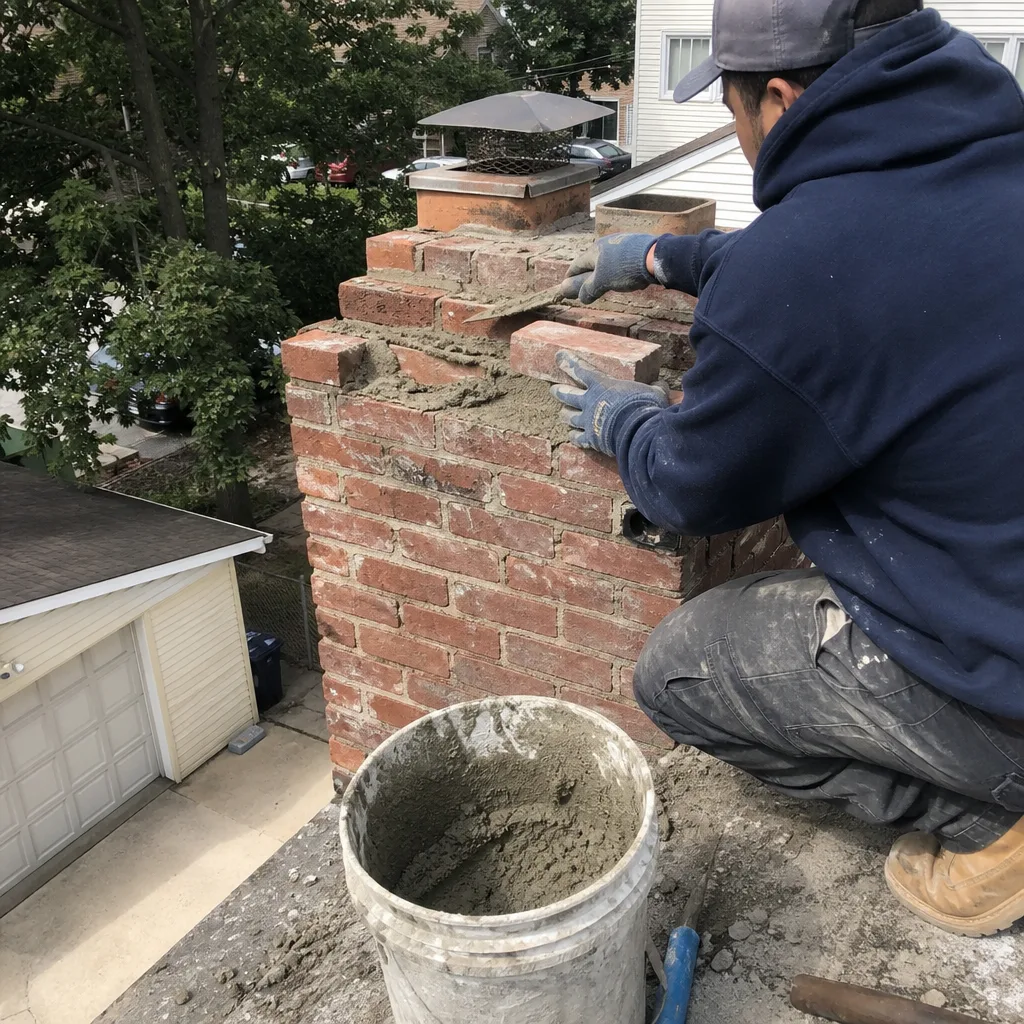
- Assuming cleaning requires a permit. It doesn’t, but some unscrupulous contractors imply it does to inflate invoices. Sweeping and inspection are maintenance, not construction.
- Accepting verbal assurance that a permit was pulled. Always verify with the AHJ. We’ve found unpermitted work in Camden homes where the seller “thought” the contractor handled it.
- Skipping inspection on a clean-looking chimney. Exterior appearance deceives. We’ve camera-inspected flues in Camden‘s Parkside neighborhood that looked sound outside but showed dangerous gaps at the smoke chamber junction.
- Confusing a home inspection with a Level 2 chimney inspection. General home inspectors visually examine accessible areas. They don’t run cameras up flues or evaluate internal liner condition per NFPA 211.
- Failing to document pre-existing conditions before a claim. After a chimney fire or CO alarm, it’s too late to establish baseline. Camera documentation beforehand protects you.
- Ignoring party wall implications in row homes. Work affecting shared masonry requires attention to neighbor property and may trigger additional permit requirements.
- Choosing contractors who won’t put price in writing. Haven Standard Clause 1 exists because verbal estimates lead to disputes. Written price, written scope, written warranty before work starts.
When to Call a Professional
Call a chimney professional when you’re buying a home with a fireplace, after any chimney fire or significant weather event, before converting fuel types, or if it’s been more than a year since your last inspection. In Camden, where freeze-thaw cycles accelerate masonry deterioration, annual inspection is prudent for active fireplaces.
Level Two Chimney Camden offers free estimates in Camden - call (856) 741-9572. Every estimate includes a written price before work starts, and our 365-Day Done Right Promise backs every job. If you’re facing an insurance dispute or need documentation for a real estate transaction, we can provide a current NFPA 211 Level 2 inspection with full camera record, typically scheduled within a few business days.
Frequently Asked Questions
A standard chimney sweep and NFPA 211 Level 1 inspection in the Camden market typically costs $150-$250. A Level 2 inspection with camera documentation runs $250-$450. Call (856) 741-9572 for an exact quote - estimates are free.
It depends on the damage type and location. Small gaps at the flue top can sometimes be addressed with appropriate listed repair products. Extensive cracking, delamination, or deterioration below the roofline usually requires replacement. We won’t recommend either without camera evidence you can see yourself. Call (856) 741-9572 for a Level 2 inspection.
NFPA 211 recommends annual inspection for all chimneys, and sweeping when creosote buildup reaches 1/8 inch; for full details, see The Complete Guide to Chimney Cleaning in Camden. In Camden’s climate, where cold snaps follow mild periods and encourage incomplete combustion, active wood-burning fireplaces often need annual sweeping. Gas systems typically need less frequent cleaning but still require annual inspection for venting integrity.
Skipped maintenance allows creosote accumulation, which can ignite causing chimney fires that damage liners and adjacent structure. Blockages from debris or animal nests can force carbon monoxide into living spaces. In Camden’s older housing stock, deterioration may progress unnoticed until an inspection reveals advanced damage requiring costly rebuild rather than preventive repair.
Most policies don’t mandate annual inspections, but claims involving chimney fires or CO events may be denied if the insurer determines maintenance was neglected. Some Camden County underwriters now require recent Level 2 documentation for homes with active fireplaces, particularly in pre-1980 construction. Check your policy or ask your agent.
Homeowners can pull permits for work on their own primary residence in New Jersey, but the work must still pass inspection. For liner replacements and fuel conversions, we recommend using a licensed contractor who carries errors and omissions coverage. The permit application requires technical specifications that most homeowners don’t have ready access to.
The Bottom Line
New Jersey’s Uniform Construction Code requires permits for chimney liner replacements, new construction, fuel conversions, and structural repairs, but not for cleaning and routine inspection. The NFPA 211 Level 2 inspection with camera documentation satisfies most insurance and real estate requirements, providing defensible evidence of flue condition. In Camden’s market of older, often attached housing, code-compliant clearances and verified permit history deserve particular attention. Before buying, verify permits. Before claiming, document condition. And before any work begins, get the price in writing. For more guides & resources, visit our blog.
Written by Corrine Halstead, Owner at Level Two Chimney Camden, serving Camden since 2009.