
Last updated September 21, 2026
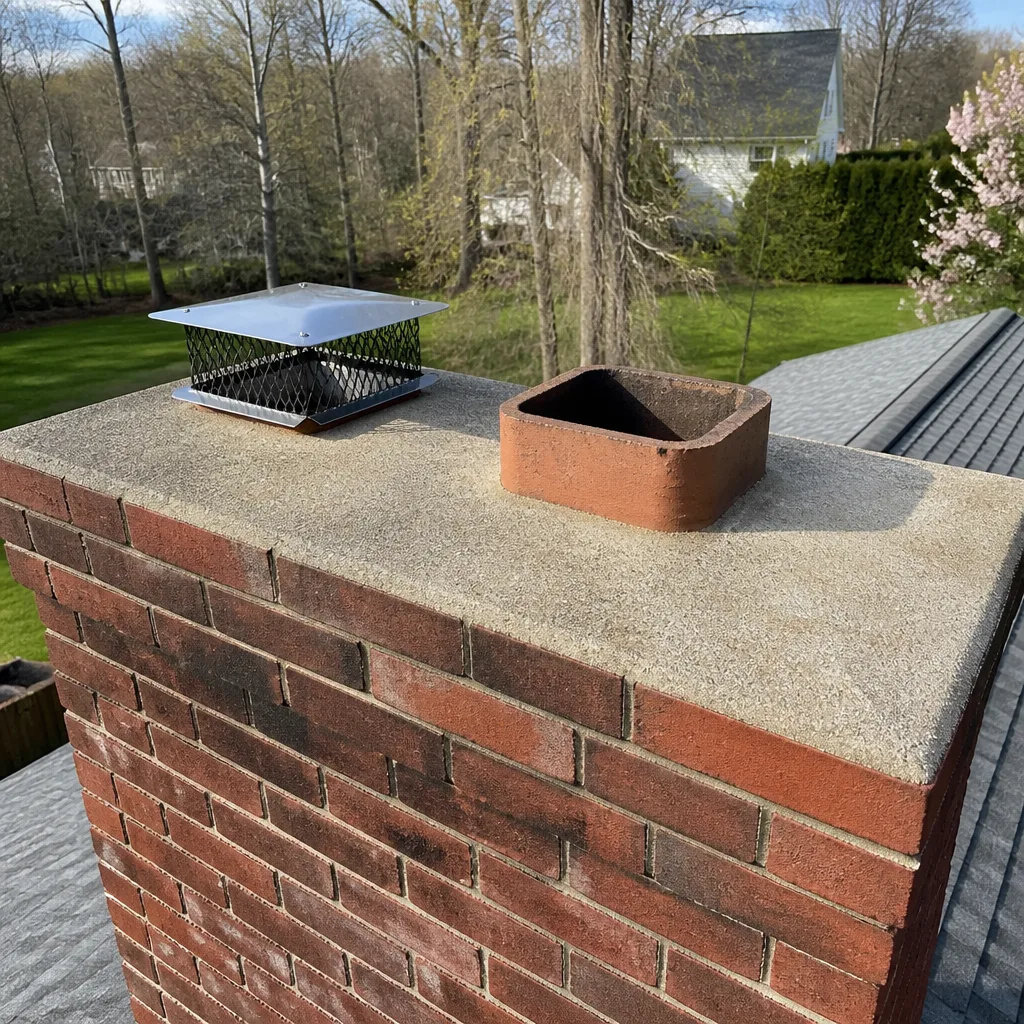
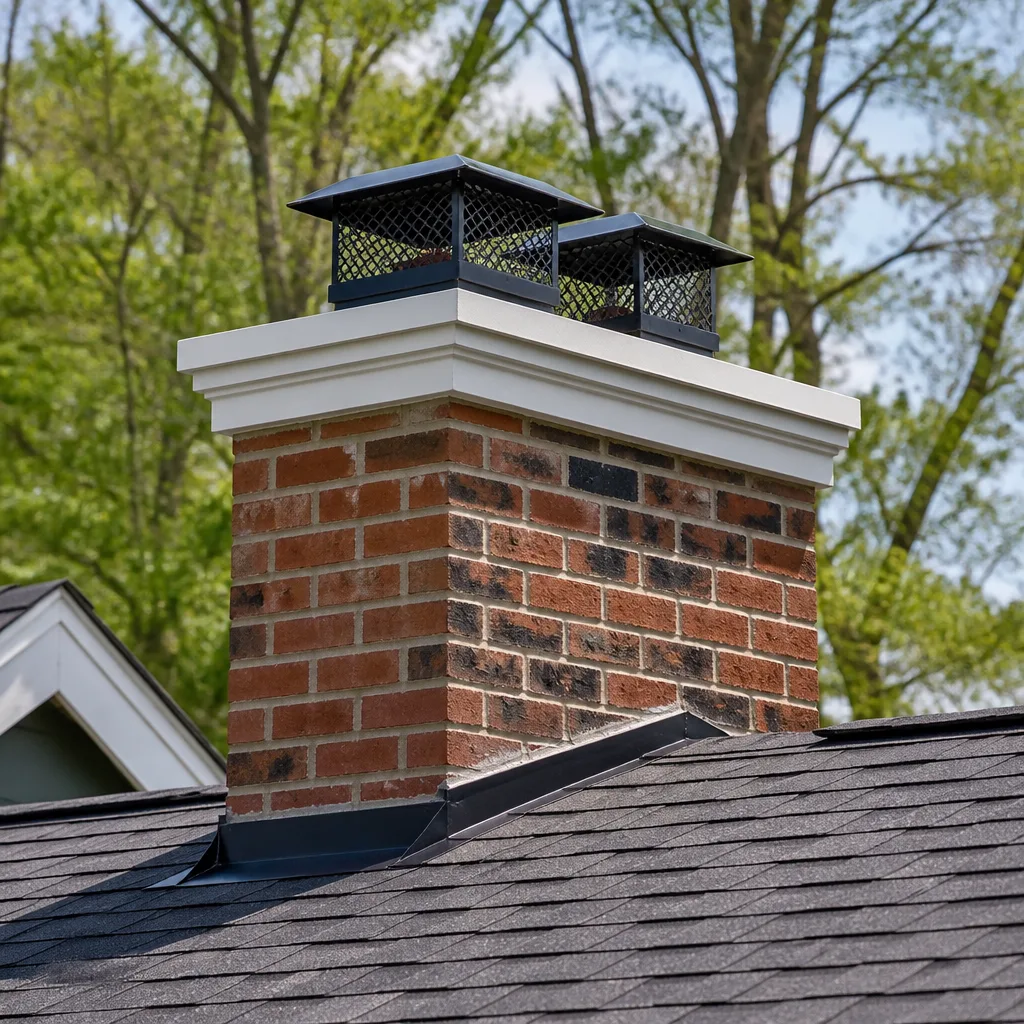
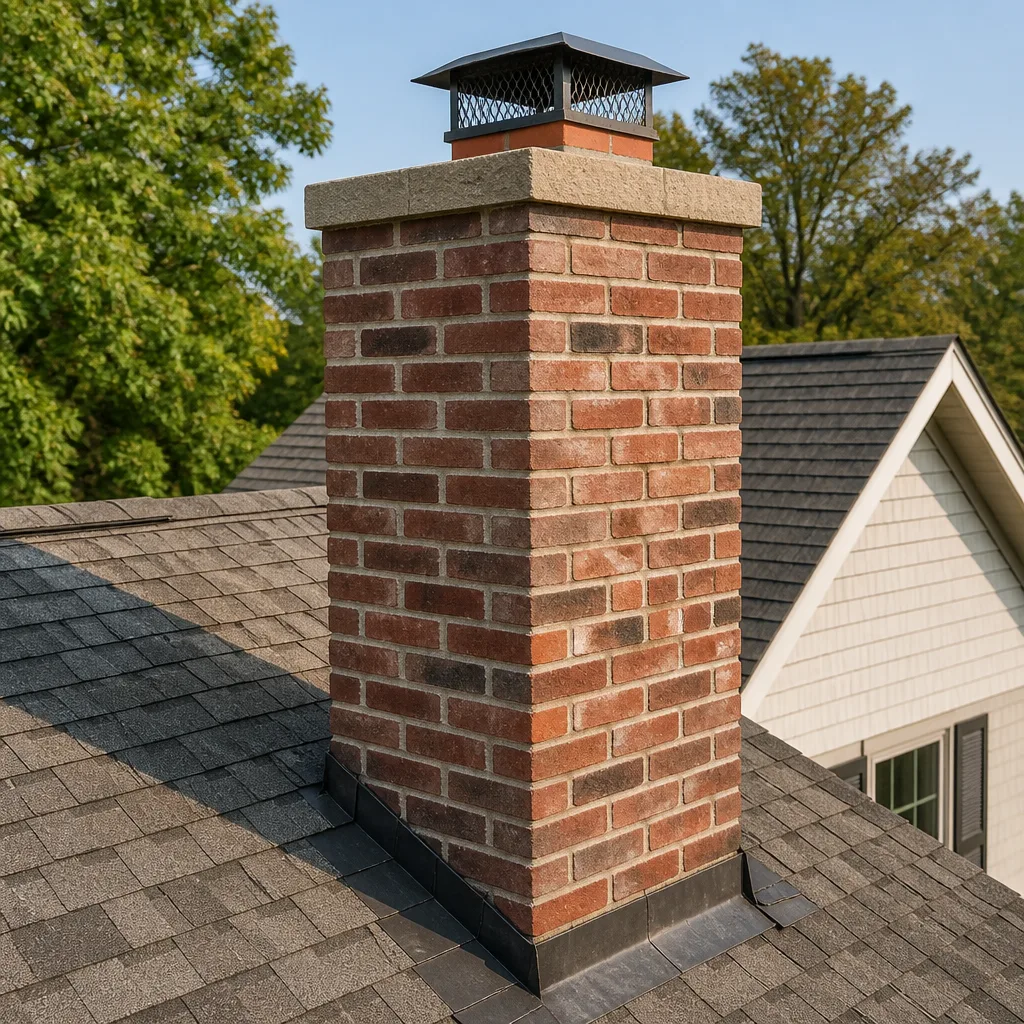
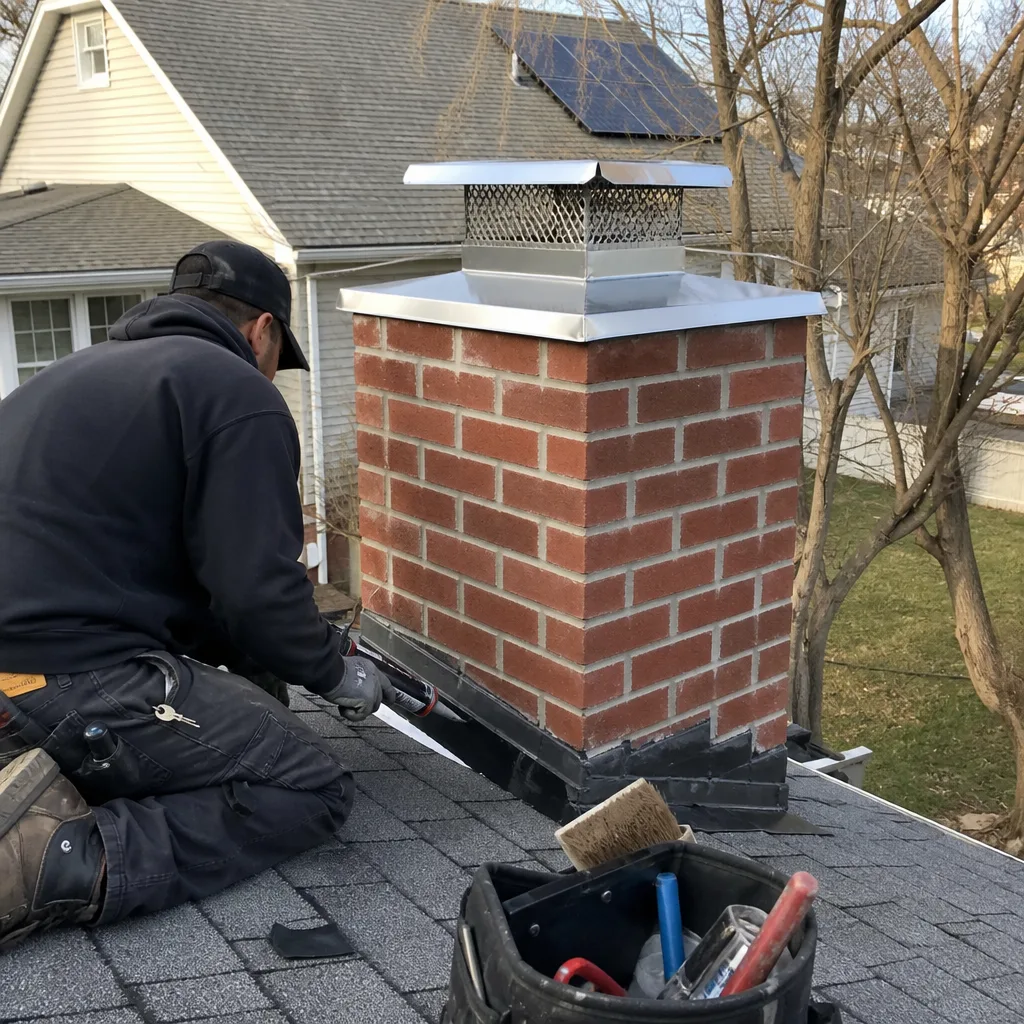
Level 1 sweep and inspection to the NFPA 211 annual standard - flue, crown, cap, and flashing checked and photographed
Chimney sweep logs do not sweep chimneys. They loosen some creosote - which then falls where a brush and vacuum still have to collect it.
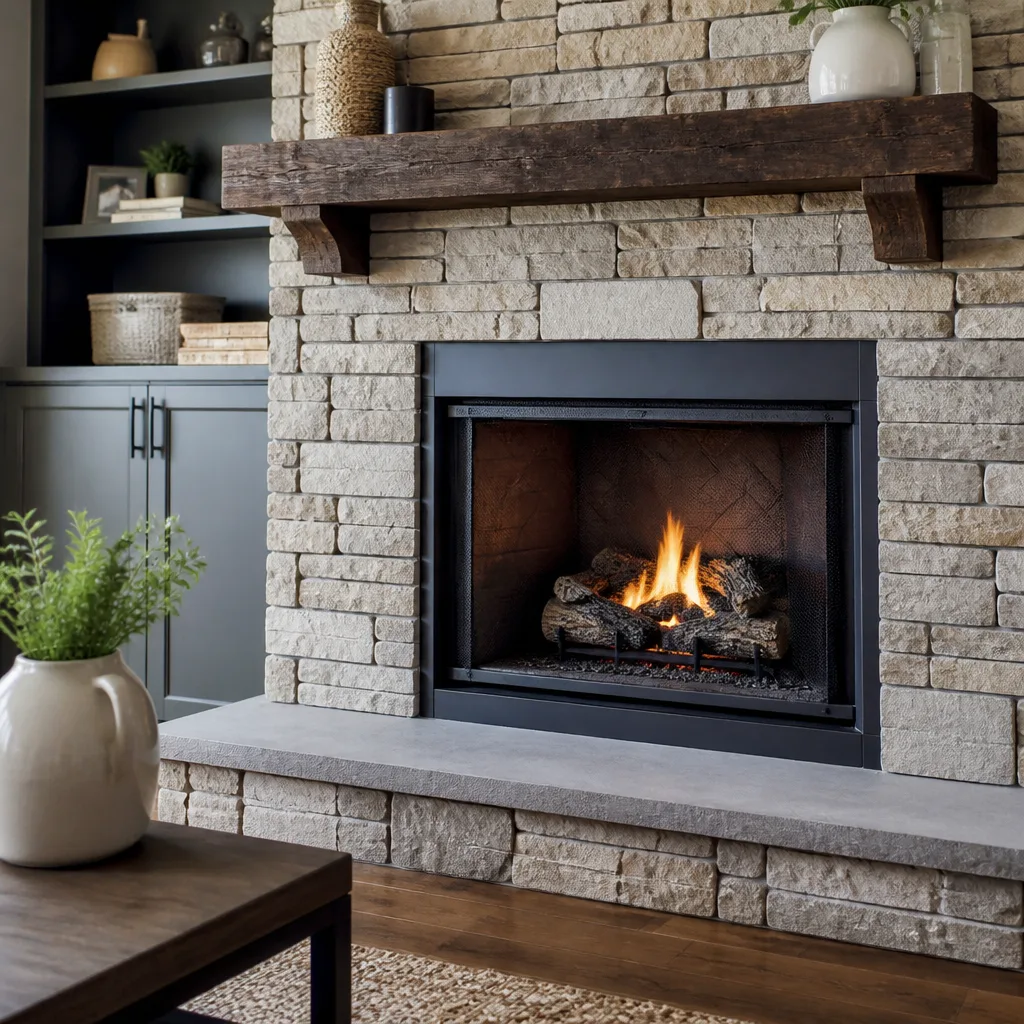
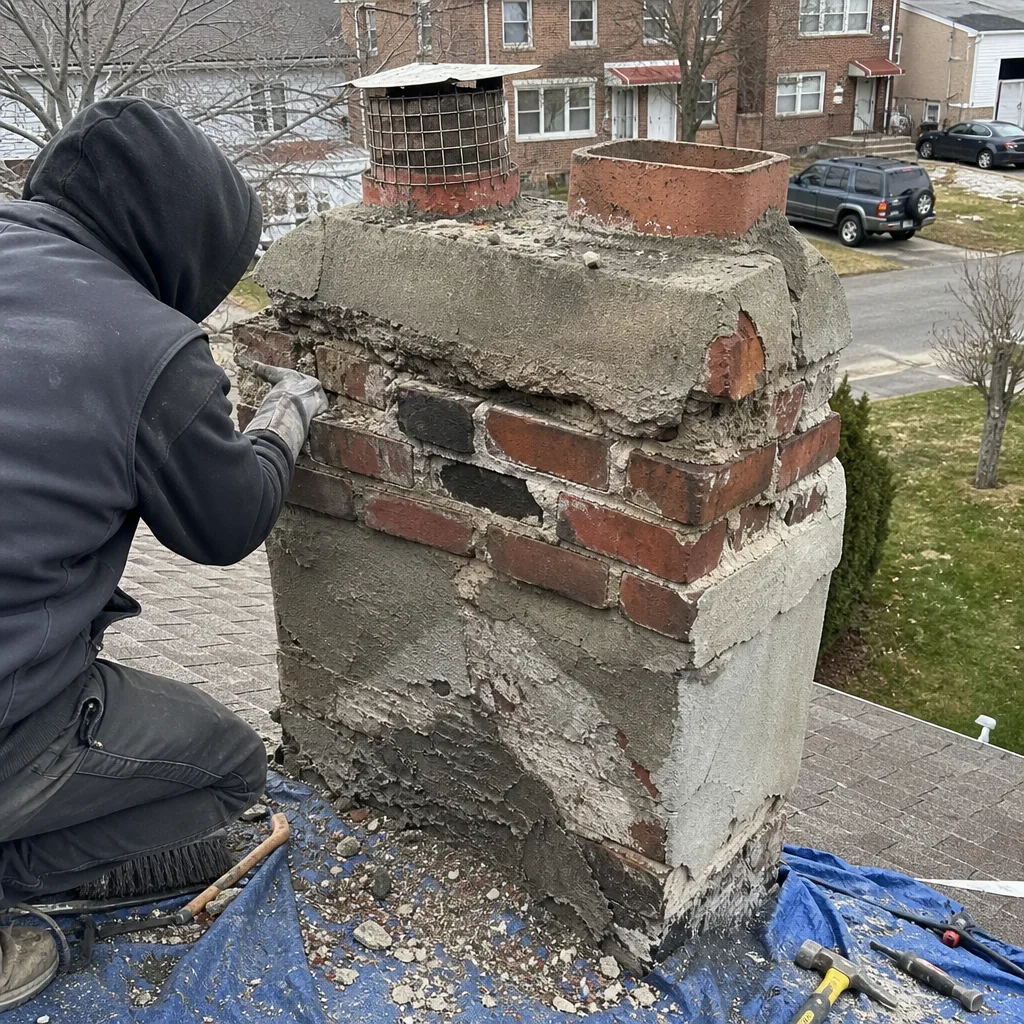 Before
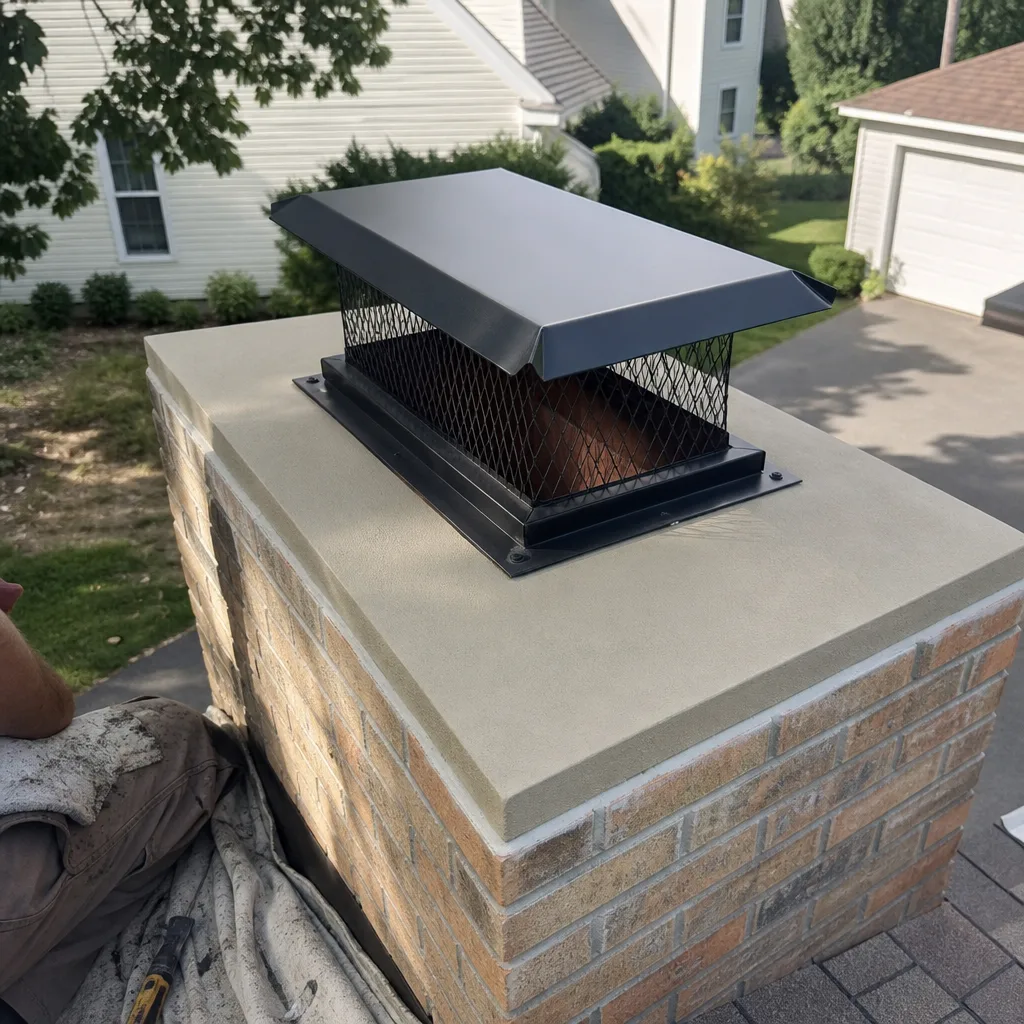 After
After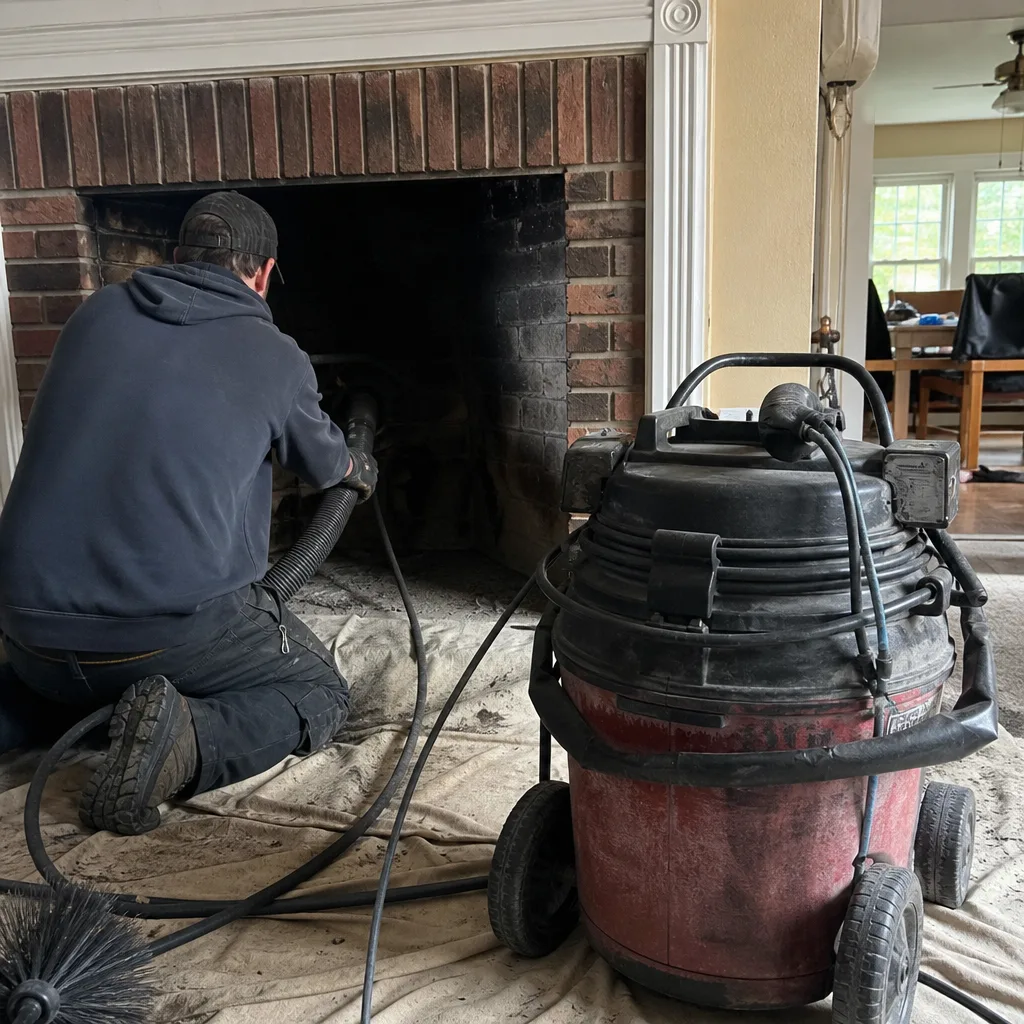 Before
 After
After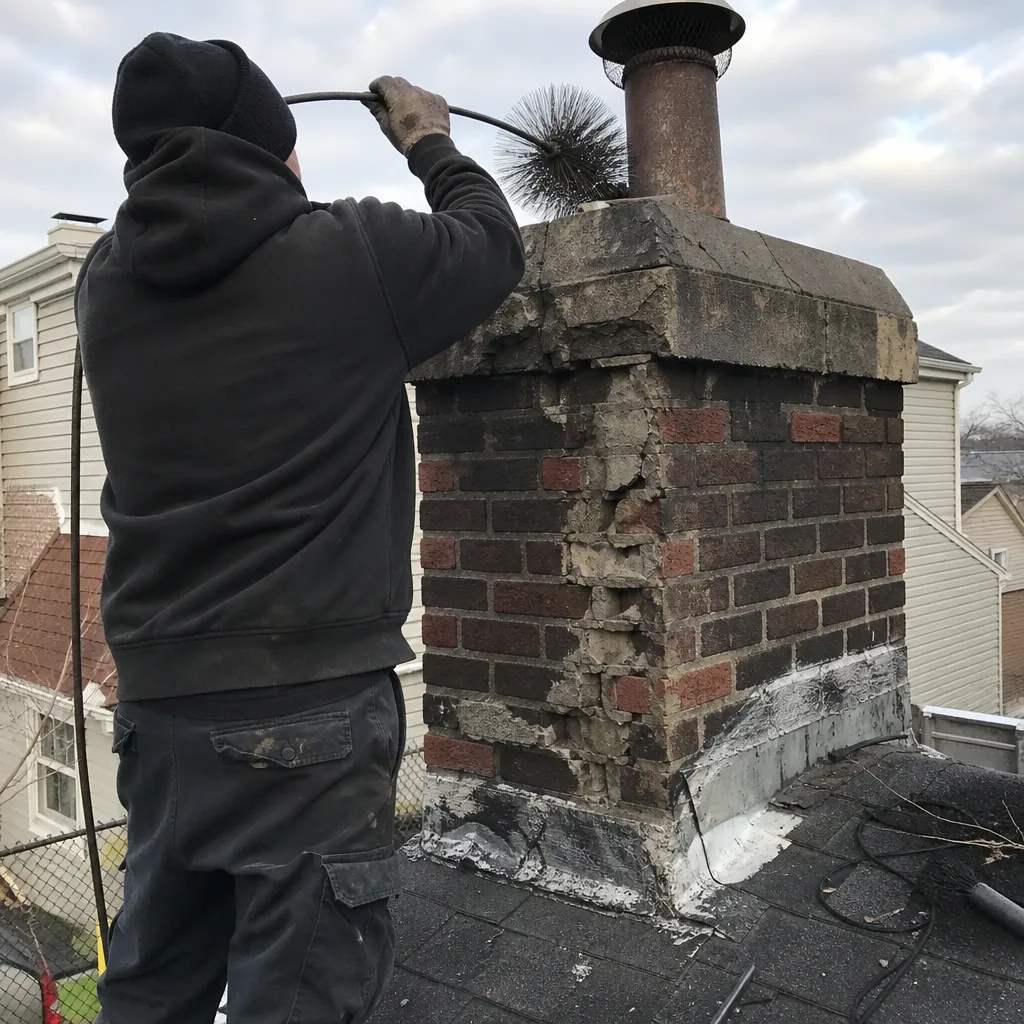 Before
 After
AfterThe Complete Guide to Chimney Cleaning in Camden
The NFPA estimates that 25% of home heating fires are caused by creosote buildup - but the number that doesn’t make the headline is that most of those chimneys had been “cleaned” within the previous two years. In Camden, where pre-1960 masonry chimneys dominate neighborhoods like Cramer Hill and Whitman Park, a quick brush-and-vacuum job often leaves the smoke chamber packed with glazed creosote and the flue liner unchecked for cracks. This guide breaks down what actually gets cleaned inside your flue system, why the housing stock in Camden demands a different protocol than newer suburbs, and what documentation proves the job was done rather than just billed.
Quick Answer
Chimney cleaning in Camden typically costs between $199 and $349 for a standard sweep with Level 2 camera inspection, and should be scheduled annually for wood-burning systems and every two to three years for gas. A proper cleaning covers four distinct flue components - firebox, smoke chamber, flue liner, and cap - using rotary brushes, HEPA vacuum extraction, and chemical treatment for glazed creosote when needed. For more on this topic, see our DIY vs Professional Chimney Cleaning: The Camden Homeowner’s Decision Guide. Every completed job should include before-and-after camera stills, a creosote stage classification, and a written warranty on the work performed.
Table of Contents
- What Actually Gets Cleaned: The Four Flue Components
- How Camden’s Older Housing Stock Changes the Protocol
- Cleaning Methods: Rotary Brush, Chemical, and Vacuum
- Why Level 2 Inspection Should Precede Every Cleaning
- What a Written Post-Cleaning Record Should Contain
- Red Flags in a Completed Job
- What Chimney Cleaning Costs in Camden
- How Often to Clean Your Chimney in Camden’s Climate
 Before
 After
AfterWhat Actually Gets Cleaned: The Four Flue Components
Most homeowners picture a single tube running from fireplace to roof. The flue system is actually four interconnected components, each with its own debris profile, access challenges, and failure modes. A technician who only runs a brush down the liner and calls it done has cleaned roughly 40% of what matters.
1. The Firebox
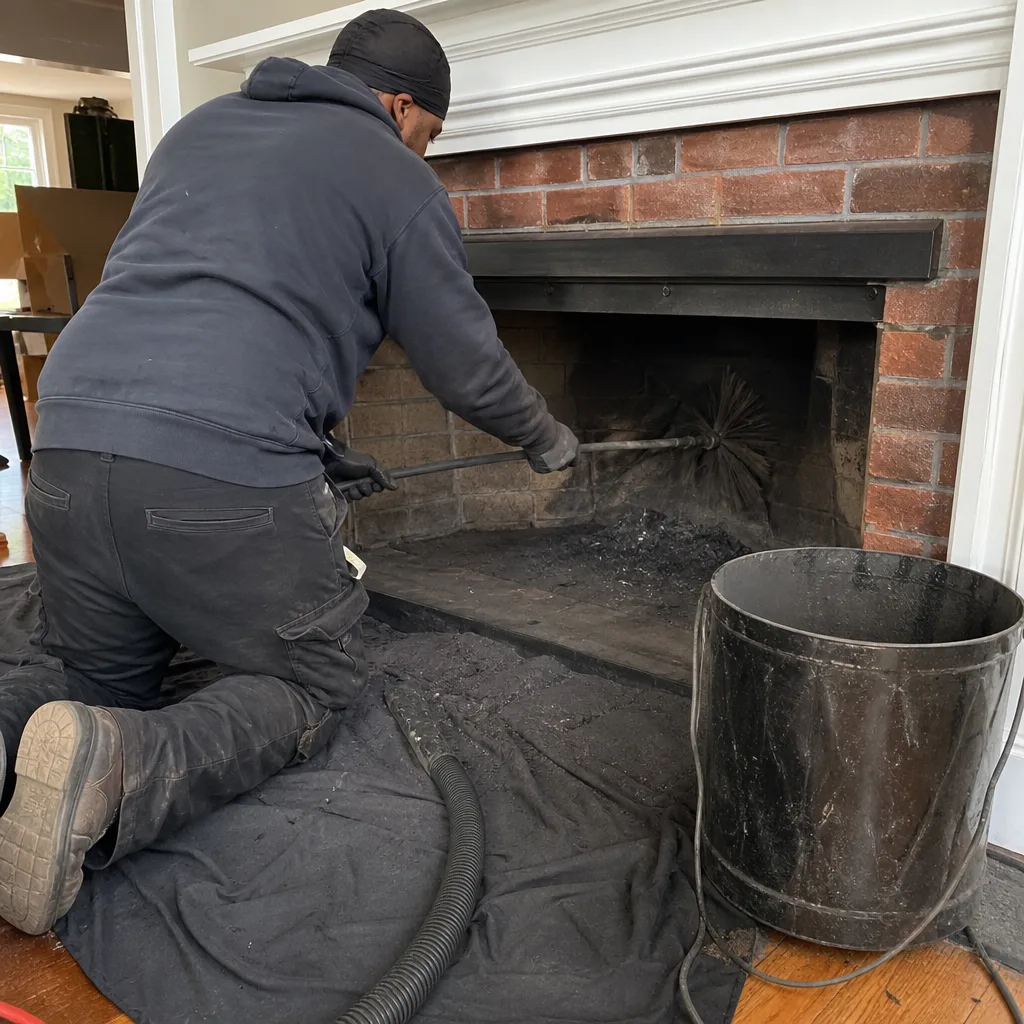
The firebox is the visible chamber where combustion happens - refractory brick or metal panels, the grate, and the ash pit below. In Camden’s older homes, we regularly find deteriorated mortar joints between firebricks, which let combustion gases seep into wall cavities. Cleaning here means ash and soot removal, but also visual inspection for spalling brick (surface flaking from freeze-thaw cycles) and eroded mortar. The ash pit gets vacuumed separately; accumulated ash can trap moisture against the hearth structure and accelerate deterioration.
2. The Smoke Chamber
Above the firebox, the smoke chamber is the inverted funnel that channels smoke into the flue liner. It’s the most overlooked component in budget sweeps because it’s hidden above the damper and nearly impossible to see without a flashlight held at awkward angles. The smoke chamber walls in pre-1960 Camden chimneys are often parged (coated with mortar) but the parging crumbles over decades of thermal cycling. Creosote accumulates on these irregular surfaces in thick, tar-like sheets. A rotary brush on extension rods can reach the smoke chamber, but only if the technician takes the time to access it through the damper throat. We classify smoke chamber creosote separately from liner creosote in our documentation because it indicates different burning habits and different risks.
3. The Flue Liner
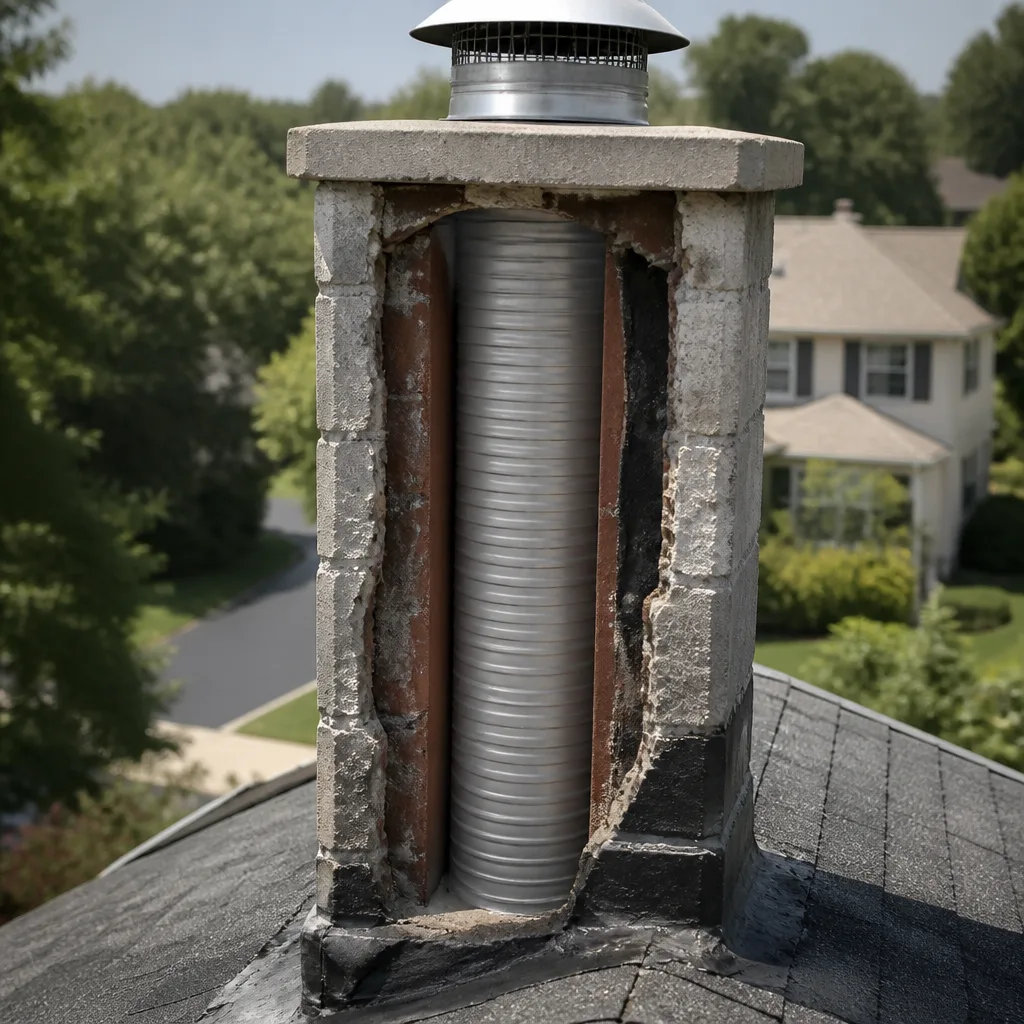
The flue liner is the vertical conduit that carries exhaust to the exterior. In Camden, you’ll encounter three types: clay tile liners (standard in pre-1960 construction), stainless steel inserts (common retrofits from the 1980s forward), and unlined masonry (still present in some Cramer Hill and Waterfront South properties, which we flag immediately for relining). Cleaning the liner means mechanical removal of creosote deposits with a rotary brush sized to the liner diameter - too small and it misses the walls, too large and it can damage clay tiles. After brushing, the liner gets camera-scanned for cracks, gaps between tile joints, and mortar obstructions. We document liner condition with time-stamped stills from the camera feed, stored under Haven Standard Clause 4.
4. The Chimney Cap and Crown
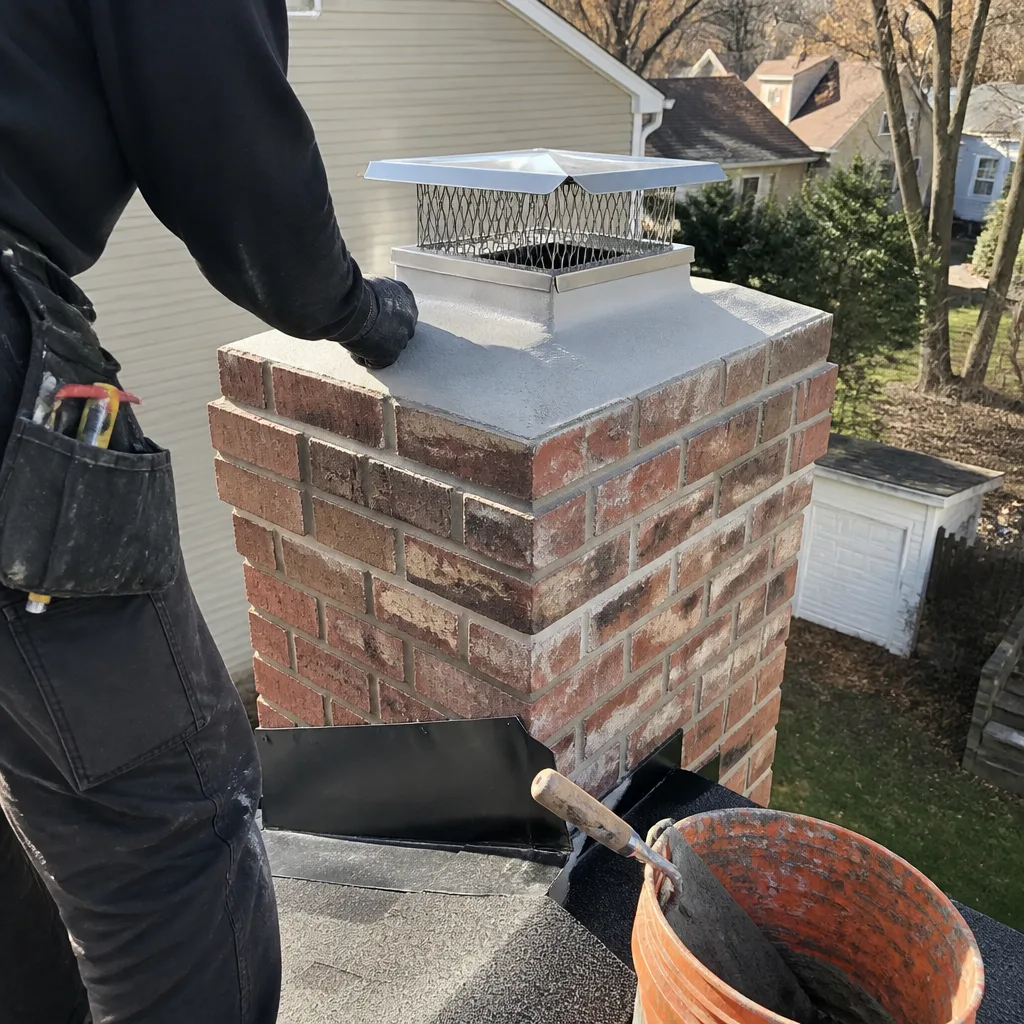
The cap sits atop the flue, excluding rain and animals. The crown is the concrete slab that sheds water from the chimney top. Neither gets “cleaned” in the traditional sense, but both get inspected and cleared of debris - nests, leaf accumulation, deteriorated cap mesh. In Camden’s dense tree canopy, particularly in neighborhoods like Parkside and Morgan Village, we find caps clogged with leaf matter that restricts draft. A blocked cap forces smoke back into the home and accelerates moisture damage to the flue interior. Crown inspection also reveals spalling concrete and hairline cracks that let water penetrate to the flue liner below.
How Camden’s Older Housing Stock Changes the Protocol
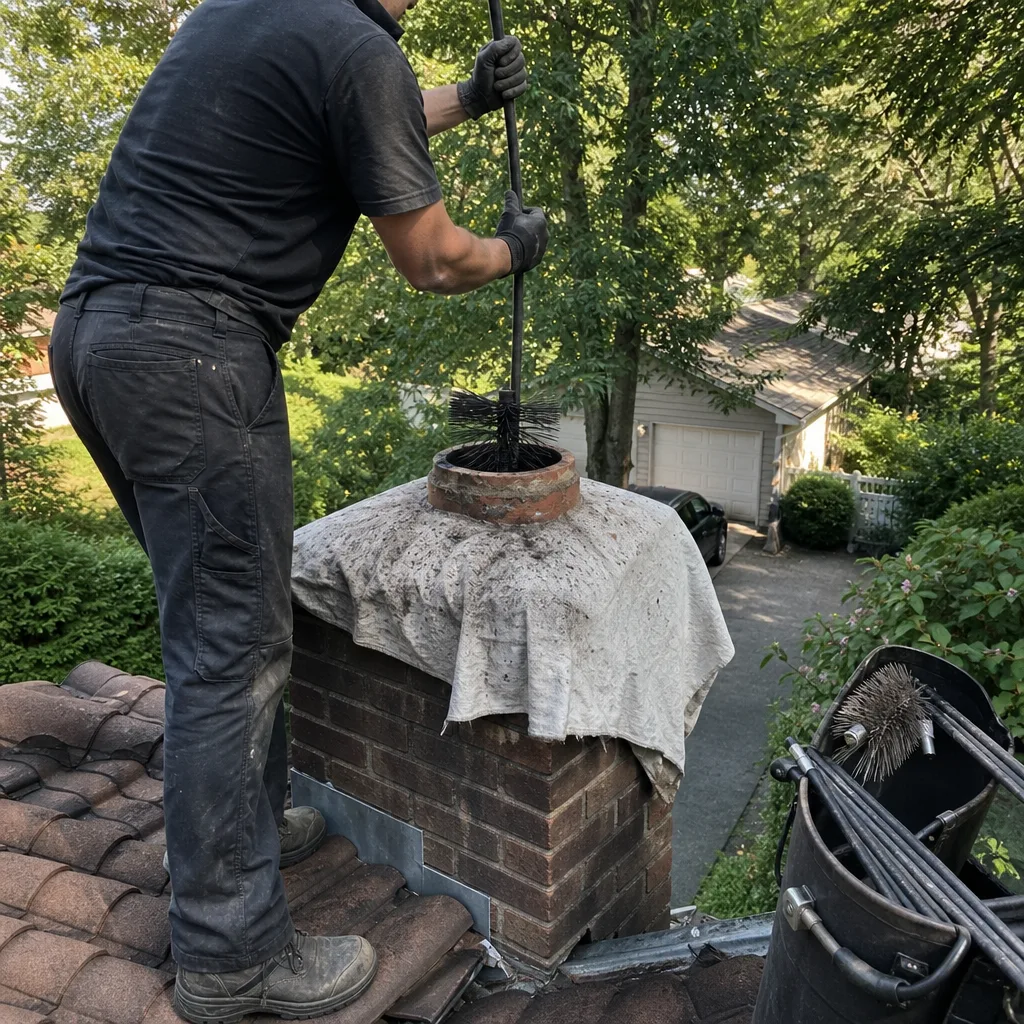
Camden’s building stock skews heavily pre-1960, with significant concentrations of late-19th and early-20th century masonry construction in Cooper Grant, Cramer Hill, and the Waterfront South area. This age distribution creates three protocol differences that newer suburban markets rarely face.
Unlined or Partially Lined Flues
Before the 1940s, many Camden chimneys were built without clay tile liners - bare brick mortar serving as the flue surface. Combustion gases in direct contact with mortar joints erode them over decades, creating pathways for carbon monoxide into living spaces and accelerating creosote absorption into the masonry. When we encounter an unlined flue during a Chimney Cleaning & Sweep in Camden, cleaning alone is insufficient. We document the finding, classify the creosote stage, and provide a written scope for stainless steel liner installation using materials from DuraFlex or Olympia Chimney sourced through our Haven buying network. Cleaning an unlined flue without addressing the lining condition is temporary maintenance on a structurally compromised system.
Deteriorated Smoke Chamber Parging
The corbelled brick of older smoke chambers was often coated with mortar parging to smooth the transition into the flue. In Camden homes, this parging is frequently cracked, missing, or never applied originally. A rough smoke chamber creates turbulence that deposits creosote in thick, uneven layers and reduces draft efficiency. Our protocol includes smoke chamber resurfacing with HeatShield when parging loss exceeds 30% surface area - not a cleaning step, but a repair that should be quoted in writing before any work begins, per Haven Standard Clause 1.
Multiple Appliance Sharing
Older Camden homes often have a single flue serving both a basement utility vent and a first-floor fireplace, a configuration prohibited under current codes but grandfathered in many properties. Cleaning protocol here requires verifying which appliances are active, checking for proper vent connector slope, and documenting any cross-contamination between fuel types. A gas water heater venting into a flue with wood-burning creosote residue creates a complex combustion environment that standard brush cleaning doesn’t address.
Freeze-Thaw and Coastal Moisture
Camden’s position on the Delaware River exposes masonry to higher ambient moisture and more aggressive freeze-thaw cycling than inland New Jersey markets. Spalled brick and deteriorated mortar absorb more moisture, which combines with acidic creosote to accelerate liner degradation. Our cleaning protocol includes moisture assessment of exposed masonry - not strictly “cleaning,” but context that determines whether a standard sweep is appropriate or whether Chimney Repair in Camden should precede it.
Cleaning Methods: Rotary Brush, Chemical, and Vacuum
Not all creosote responds to the same treatment. We classify creosote in three stages and match the method accordingly. Misapplication - hitting glazed creosote with a standard brush, for instance - can polish the deposit into a harder, more combustible surface.
Stage I Creosote: Sooty, Flaky, Brush-Responsive
Stage I creosote is loose, dry, and black - the product of hot, fast-burning fires with dry hardwood. It responds to a rotary brush with poly or steel bristles matched to the liner material. Steel on clay tile can score the surface and create creosote adhesion points; poly on heavy buildup just bounces off. We select brush material based on the liner type documented in the pre-cleaning inspection. The rotary action, powered by a slow-speed drill at controlled torque, breaks deposits free while a HEPA vacuum at the firebox captures airborne particulate. In Camden’s tighter rowhouse constructions, dust containment matters - we run negative air pressure at the firebox opening to prevent soot migration into living spaces.
Stage II Creosote: Crunchy, Porous, Mechanical Removal
Stage II has begun to harden into porous, chip-like layers. The rotary brush still works but requires more contact time and often a stiffer bristle configuration. We increase brush diameter slightly for more wall pressure and run multiple passes, inspecting with the camera between cycles. The vacuum system upgrades to higher CFM extraction to handle increased debris volume. Stage II indicates moderate burning inefficiency - damp wood, restricted air supply, or frequent smoldering fires. We note this in the written record and include burning recommendations tailored to the appliance type.
Stage III Creosote: Glazed, Tar-Like, Chemical Treatment Required
Stage III creosote is the dangerous form - shiny, hardened, with the combustibility of asphalt. It cannot be brushed out effectively. Attempting to do so risks compacting it into an even denser layer or damaging the liner. Our protocol calls for chemical treatment with a creosote modifier, applied as a powder or spray during the initial visit and allowed to react over 1-2 weeks of normal heating use. The modifier crystallizes the tar-like deposit, converting it to a brittle, brush-responsive material. We then schedule the mechanical cleaning as a follow-up. This two-visit approach costs more upfront but avoids the false completion of a “cleaning” that left the hazard intact. In Camden’s older housing stock with restricted flue diameters, Stage III is more common because smaller flues run cooler and condense more creosote.
HEPA Vacuum Extraction
Every method includes vacuum extraction at the firebox and, where accessible, the cleanout door. We use sealed HEPA systems, not shop vacs, because fine soot particulate passes through standard filters and resettles in the home. The vacuum also reveals hidden debris - collapsed liner sections, animal remains, construction debris from prior renovations - that brushing alone would miss.
Why Level 2 Inspection Should Precede Every Cleaning
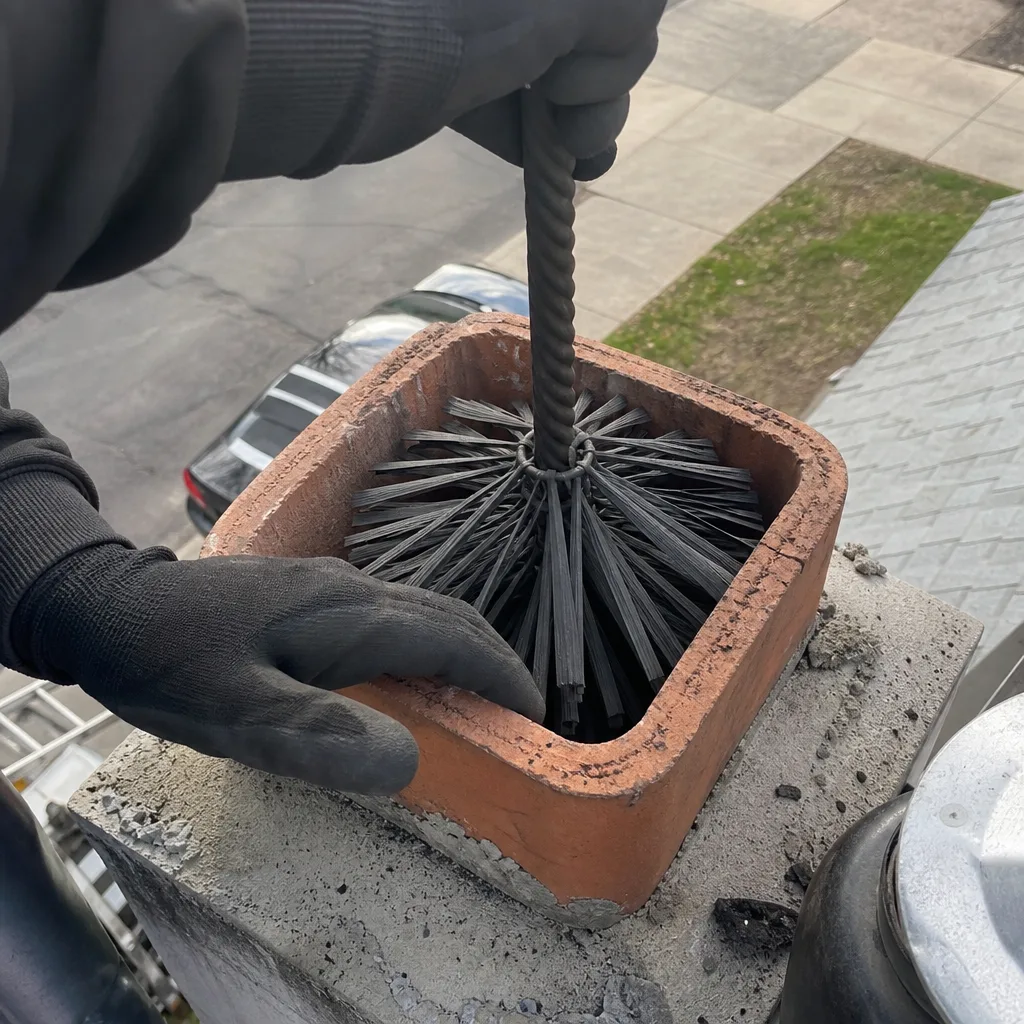
The NFPA 211 standard defines three inspection levels. Most “chimney sweeps” in the Camden market perform what amounts to a Level 1 - visual, accessible, no tools - and call it sufficient. Our How to Hire a Chimney Cleaning Contractor in Camden: A Step-by-Step Guide explains what to look for. We don’t clean without a Level 2, and the distinction matters for homeowner safety and insurance documentation.
Level 1 Inspection: The Flashlight Look
Level 1 is a visual examination of readily accessible portions of the chimney exterior, interior, and connecting appliances. No tools, no climbing, no camera. It’s appropriate for annual maintenance when no changes have occurred to the system. In practice, a Level 1 misses smoke chamber conditions, liner defects below the roofline, and crown deterioration on multi-story structures. For Camden’s older housing stock, a Level 1 is structurally inadequate - there’s too much hidden deterioration in systems this age.
Level 2 Inspection: Camera-Scan Documentation
Level 2 requires internal camera inspection of the flue liner and smoke chamber, plus accessible portions of the exterior. It’s mandatory upon sale or transfer of property, after chimney fires, after weather events, and - in our protocol - before every cleaning. The camera reveals what brushing alone cannot: cracked clay tiles, liner joint separation, mortar protrusions, and creosote distribution patterns that indicate drafting problems. Haven Standard Clause 4, established in 2009, requires a documented photo record on every job. That record becomes the baseline for comparing future inspections and the evidence base for any insurance claim or property transfer.
What the Camera Finds That Changes the Cleaning Plan
We’ve abandoned scheduled cleanings mid-job because the camera revealed conditions that made cleaning unsafe or pointless. Examples from Camden properties: a clay tile liner with a vertical crack running 8 feet (cleaning would deposit creosote into the wall cavity); a stainless insert with detached top plate (cleaning would push debris into the attic space); a partially collapsed smoke chamber wall (cleaning destabilizes further). In each case, the written Level 2 report with camera stills became the basis for a repair quote under Haven Standard Clause 1 - written price, written scope, written warranty before any work proceeds.
What a Written Post-Cleaning Record Should Contain
A cleaning without documentation is a claim without evidence. The post-cleaning record serves three functions: it proves what was done, it establishes the condition baseline for future comparison, and it satisfies insurer or home inspector requirements. Every record we produce includes these elements.
- Pre-cleaning camera stills - time-stamped images showing creosote stage, liner condition, and any defects identified during Level 2 inspection.
- Creosote stage classification - Stage I, II, or III, with location (liner, smoke chamber, or both) and estimated deposit thickness.
- Cleaning method employed - rotary brush specification, chemical treatment applied, vacuum system used, and number of passes.
- Post-cleaning camera stills - matching angles to pre-cleaning images, demonstrating deposit removal and liner exposure.
- Technician findings and recommendations - signed by the technician who performed the work, not a generic checklist.
- Written warranty on cleaning work - our 365-Day Done Right Promise, specifying that if creosote remains or the cleaning proves incomplete, we return at no charge.
- Next service due date - based on fuel type, burning frequency, and observed creosote accumulation rate.
We deliver this record as a printed document and PDF within 24 hours of service. Competitor quotes we’ve reviewed in the Camden market often promise “a report” but deliver a carbon-copy receipt with a checkbox for “swept.” The Haven Standard record is the product of Clause 4, not an afterthought.
Red Flags in a Completed Job
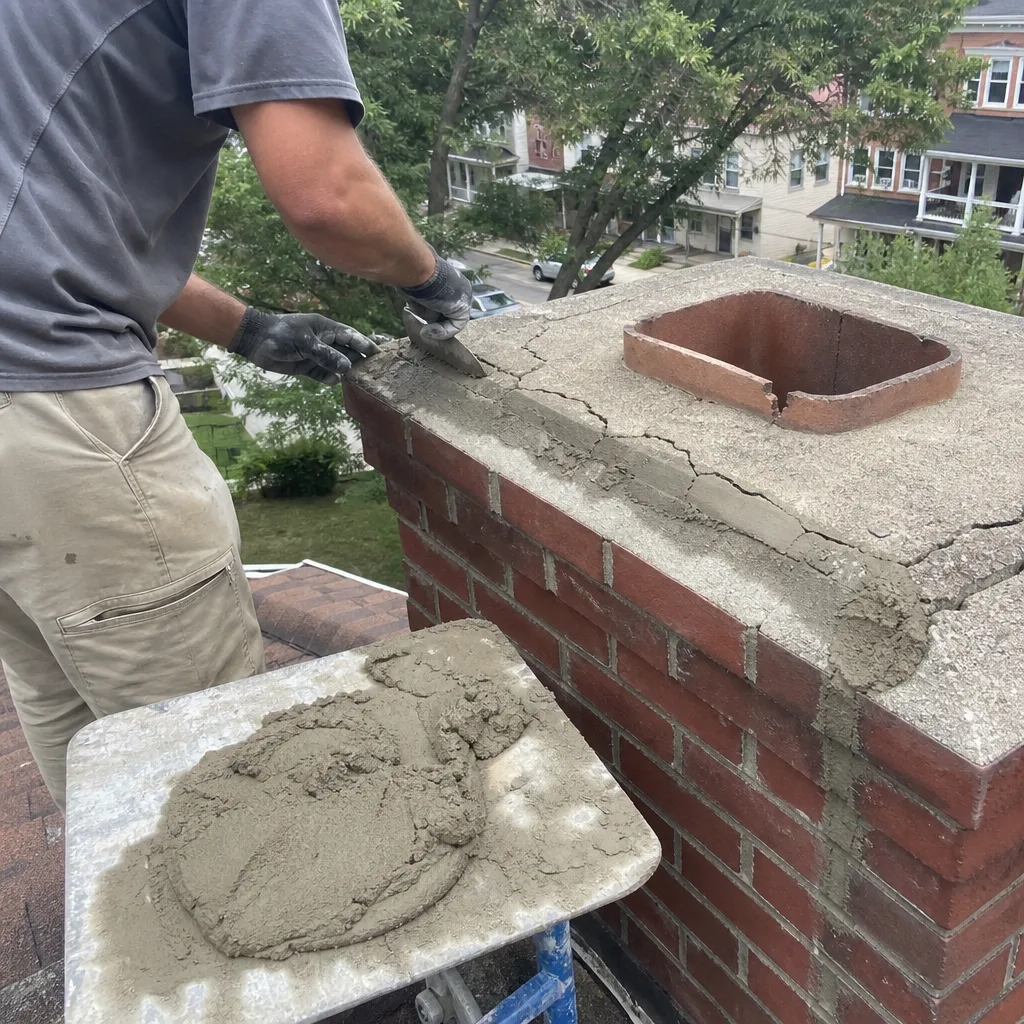
Homeowners rarely know what to check when a technician packs up. These are the signs that cleaning was billed but not performed, or performed incompletely.
- No documentation handed over. A verbal “you’re all set” with no written record, no camera images, no technician signature. This is the most common red flag and the easiest to spot.
- No creosote stage noted. If the technician can’t tell you whether deposits were Stage I or Stage III, they didn’t look closely enough to clean appropriately.
- Soot staining around the firebox opening. Proper dust containment with negative air pressure prevents this. Staining indicates sloppy vacuum technique or no containment at all.
- Damper left coated in soot. The damper should be cleaned and lubricated as part of firebox service. A soot-caked damper suggests the firebox was skipped.
- No discussion of liner condition. In Camden’s older housing stock, liner condition is the critical variable. Silence on this topic means the liner wasn’t inspected, which means the cleaning was blind.
- Pressure to schedule additional services without written scope. Legitimate findings (cracked liner, deteriorated crown) deserve a written quote with photos, not a verbal upsell at the door.
- No warranty provided. A cleaning without a written warranty on the work has no accountability mechanism. Our 365-Day Done Right Promise is printed on every invoice.
What Chimney Cleaning Costs in Camden
We publish ranges because “call for a quote” wastes time and favors technicians who size up the homeowner rather than the chimney. These are the price ranges we observe in the Camden market for properly documented service, including Level 2 inspection.
| Service | Price Range | What’s Included |
|---|---|---|
| Standard sweep with Level 2 inspection | $199 - $249 | Firebox, smoke chamber, liner cleaning; camera scan; HEPA extraction; written record with photo documentation |
| Heavy creosote removal (Stage II) | $249 - $299 | Extended brush contact time, multiple camera passes, enhanced vacuum extraction, burning efficiency consultation |
| Stage III chemical treatment + follow-up sweep | $349 - $449 | Initial modifier application, 1-2 week reaction period, return visit for mechanical removal, full documentation both visits |
| Gas appliance flue cleaning | $159 - $199 | Liner debris removal, draft testing, connector inspection, corrosion assessment |
| Multi-flue property (typical rowhouse) | $349 - $449 | Sequential cleaning of each flue with separate documentation, combined written record |
These ranges reflect Camden’s market specifically - labor costs, travel density, and the higher incidence of older-system complications. We source materials through our Haven buying network from suppliers like DuraFlex, HeatShield, and Gelco to keep repair pricing honest when cleaning reveals needed work. Every price is written and agreed before work begins, per Haven Standard Clause 1. No exceptions.
How Often to Clean Your Chimney in Camden’s Climate
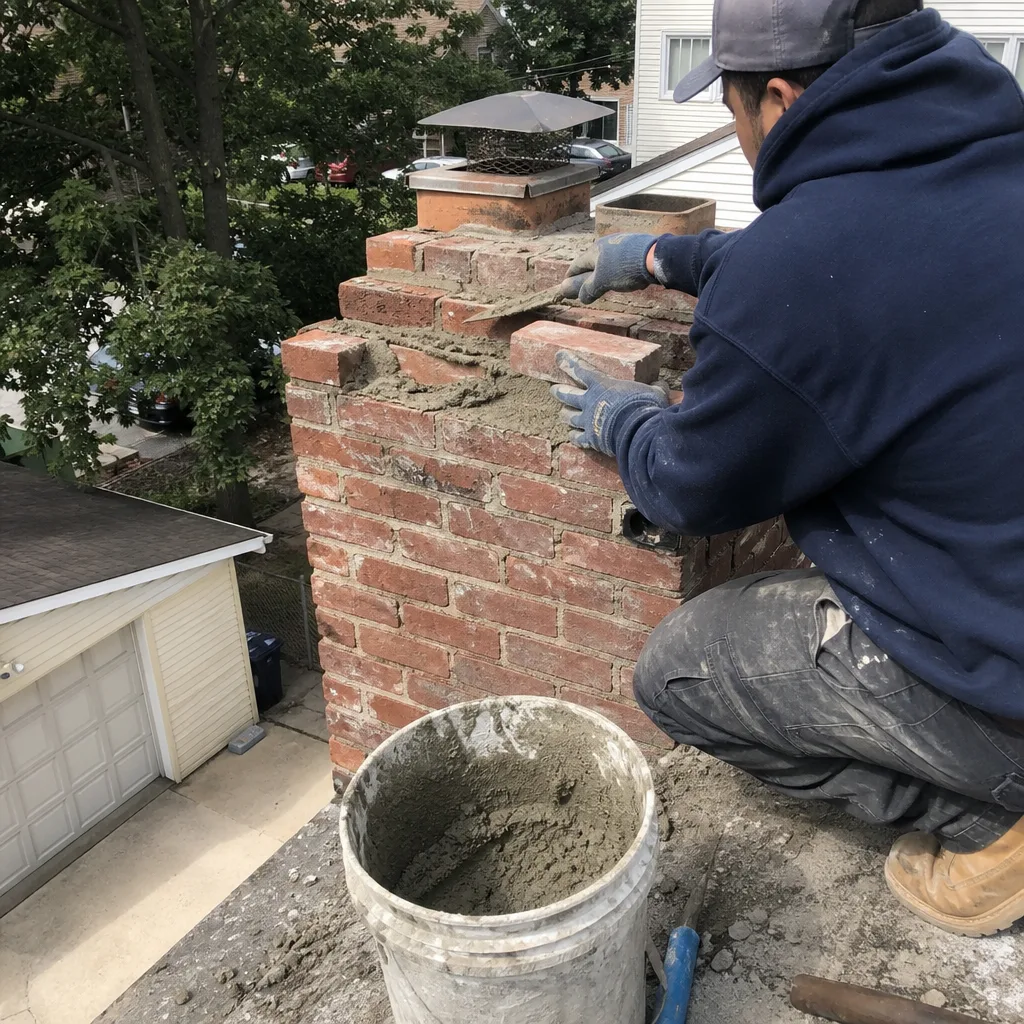
The standard advice - “once a year” - is a rough approximation that misses important variables. Frequency depends on fuel type, burning habits, appliance efficiency, and local climate conditions that affect draft and condensation.
Wood-Burning Systems
For primary heat source wood stoves or fireplaces in Camden, annual cleaning is the minimum. But “annual” measured how? We recommend scheduling before the heating season begins, typically September or October, when technician availability is better and you’re not competing with emergency calls during the first cold snap. Secondary or occasional-use fireplaces can stretch to every two years if burning is limited to under 30 fires per season and only dry hardwood is used. The camera inspection, not the calendar, should drive the decision - we’ve seen occasional-use chimneys with Stage III deposits from smoldering wet wood, and daily-use systems with clean liners from efficient burning.
Gas Systems
Gas produces minimal creosote but generates corrosive condensation, particularly in exterior chimneys common in Camden’s older construction. Every 2-3 years, schedule inspection and cleaning to remove debris, check for liner corrosion, and verify draft performance. A deteriorated gas flue is a carbon monoxide risk without the visible warning of creosote buildup.
Camden-Specific Climate Factors
Camden’s riverfront position means higher humidity and more temperature fluctuation than inland New Jersey. Humid air in a cool flue condenses on liner walls, mixing with acidic combustion residue to accelerate mortar and metal degradation. This moisture loading means Camden chimneys benefit from more frequent inspection than identical systems in drier climates. We also see accelerated cap and crown deterioration from wind-driven rain off the Delaware, which can introduce water into the flue system year-round.
Common Mistakes to Avoid
- Scheduling cleaning without inspection. Cleaning a cracked liner can force creosote into wall cavities. The camera scan comes first, always.
- Using the chimney as a de facto trash disposal. Cardboard, gift wrap, and construction scraps burn hot and fast, producing airborne embers and accelerated creosote. We’ve pulled melted plastic from Camden flues more often than you’d expect.
- Assuming gas means “no maintenance needed.” Gas flues corrode differently than wood flues, but they do corrode. Skipping inspection because “it’s just gas” is a common and dangerous error.
- Hiring based on lowest price without documentation requirements. A $99 sweep with no camera, no written record, and no warranty is not comparable service. It’s a gamble with fire safety.
- Ignoring the smoke chamber. Homeowners rarely know to ask about it, and budget operators rarely volunteer. A packed smoke chamber is a fire hazard hidden in plain sight.
- Deferring cleaning after a chimney fire. Even a small chimney fire changes liner integrity and creosote distribution. Level 2 inspection is mandatory, and cleaning protocol adjusts for heat-damaged deposits.
- Neglecting cap maintenance between cleanings. In Camden’s leafy neighborhoods, a cap can clog in a single autumn. Annual cap inspection, even between full cleanings, prevents draft restriction and moisture entry.
When to Call a Professional
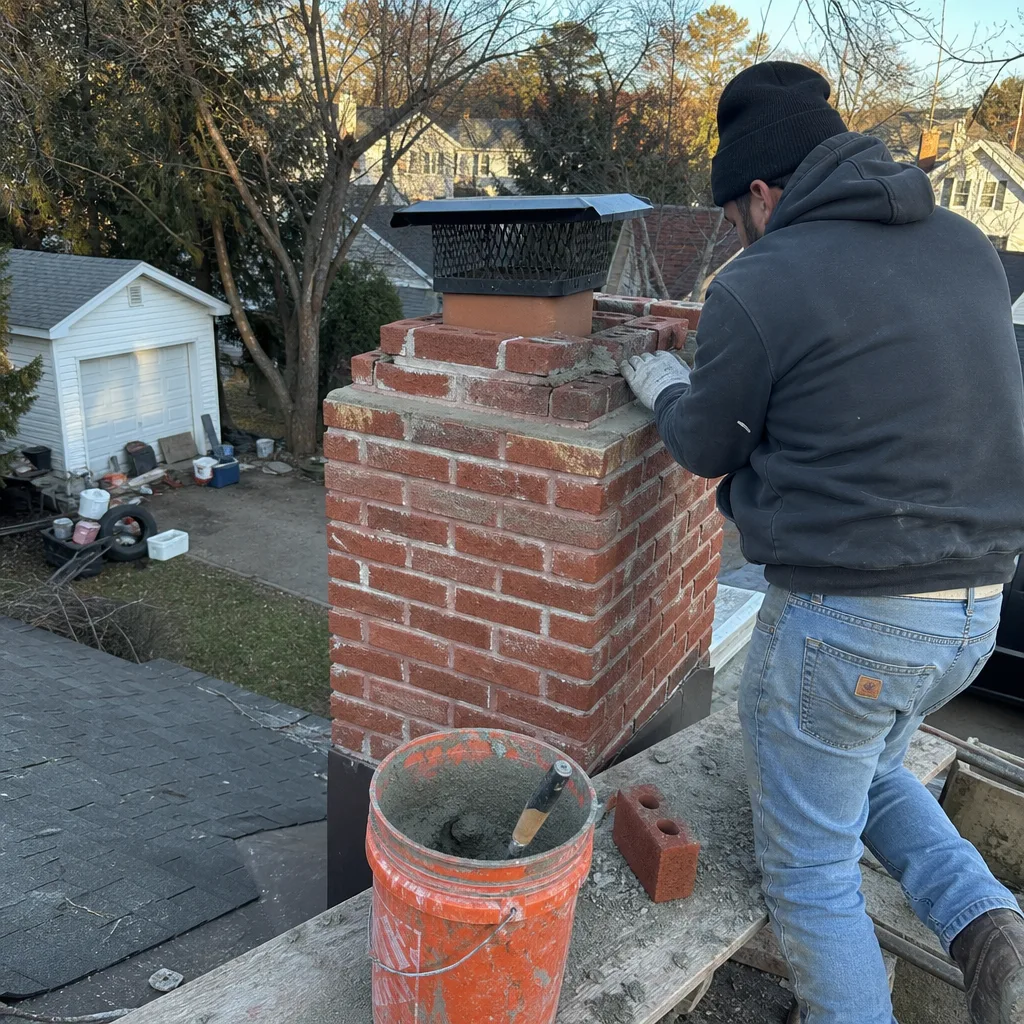
Call for inspection before the heating season if you haven’t had Level 2 documentation within 12 months. Call immediately if you notice smoke backup into the room, a strong tar odor when the damper is closed, visible cracks in the firebox brick, or debris falling into the fireplace from above. After any chimney fire, even one that self-extinguished, professional assessment is non-negotiable - heat stress cracks liners in ways that aren’t visible from below.
Level Two Chimney Camden offers free estimates throughout Camden - call (856) 741-9572. We’ll review any existing documentation you have, including competitor quotes under our Free Second Opinion program. Every estimate includes a written price, written scope, and written warranty before any work is scheduled, per Haven Standard Clause 1.
Frequently Asked Questions
A standard chimney sweep with Level 2 camera inspection in Camden costs between $199 and $249, including firebox, smoke chamber, and liner cleaning with full photo documentation. Heavy creosote or Stage III glazed deposits run $249 to $449 depending on treatment method. Call (856) 741-9572 for an exact quote - estimates are free.
You need a new liner if the camera scan shows cracked clay tiles, missing mortar joints, or gaps that let combustion gases escape the flue - not because a technician says so without showing you. We provide time-stamped camera stills of any defect and a written scope for relining using materials from DuraFlex or Olympia Chimney before any work is proposed. Some liners show surface staining that looks alarming but doesn’t affect function; we distinguish between cosmetic issues and safety-critical defects.
Wood-burning systems in Camden need annual cleaning and Level 2 inspection before each heating season, given the higher moisture loading from riverfront humidity. Gas systems can go 2-3 years between services if draft tests normal and no corrosion is visible. The camera inspection, not the calendar alone, should determine your actual interval - we set next-service dates based on observed creosote accumulation rate, not a fixed schedule.
Skipped cleaning allows creosote to accumulate from Stage I (brush-responsive) to Stage III (glazed, chemically treated). Stage III deposits are the fuel source in chimney fires - they burn at temperatures that crack liners and can ignite adjacent framing. In Camden’s unlined or partially lined chimneys, the risk extends to carbon monoxide intrusion through degraded mortar joints. The NFPA’s 25% figure for creosote-caused heating fires reflects systems that were cleaned recently but incompletely, not systems that were never cleaned at all.
Level 1 is visual, accessible, no tools - appropriate only when no changes have occurred and the system is known to be in good condition. Level 2 adds internal camera inspection of the flue liner and smoke chamber, plus examination of accessible exterior portions. For Camden’s older housing stock, Level 2 is the appropriate default because hidden liner deterioration is common in systems this age. Haven Standard Clause 4 requires Level 2 documentation on every job we perform.
We don’t recommend DIY chimney cleaning for Camden’s older masonry systems. The risks aren’t just falls from the roof - though that’s significant enough. Without camera inspection, you can’t assess liner condition before brushing. Without proper dust containment, you’ll distribute soot through living spaces. And without creosote stage classification, you may apply the wrong cleaning method and harden deposits rather than remove them. For factory-built metal chimneys in newer construction, DIY brush kits exist but still miss the inspection component that determines whether cleaning is even appropriate.
You should receive a written record with pre- and post-cleaning camera stills, creosote stage classification, cleaning method used, technician findings and signature, written warranty on the work, and next service due date. If you received a carbon-copy receipt with a “swept” checkbox, you received proof of payment, not proof of service. Ask for the documentation before booking - any qualified technician can describe what you’ll receive.
The Bottom Line
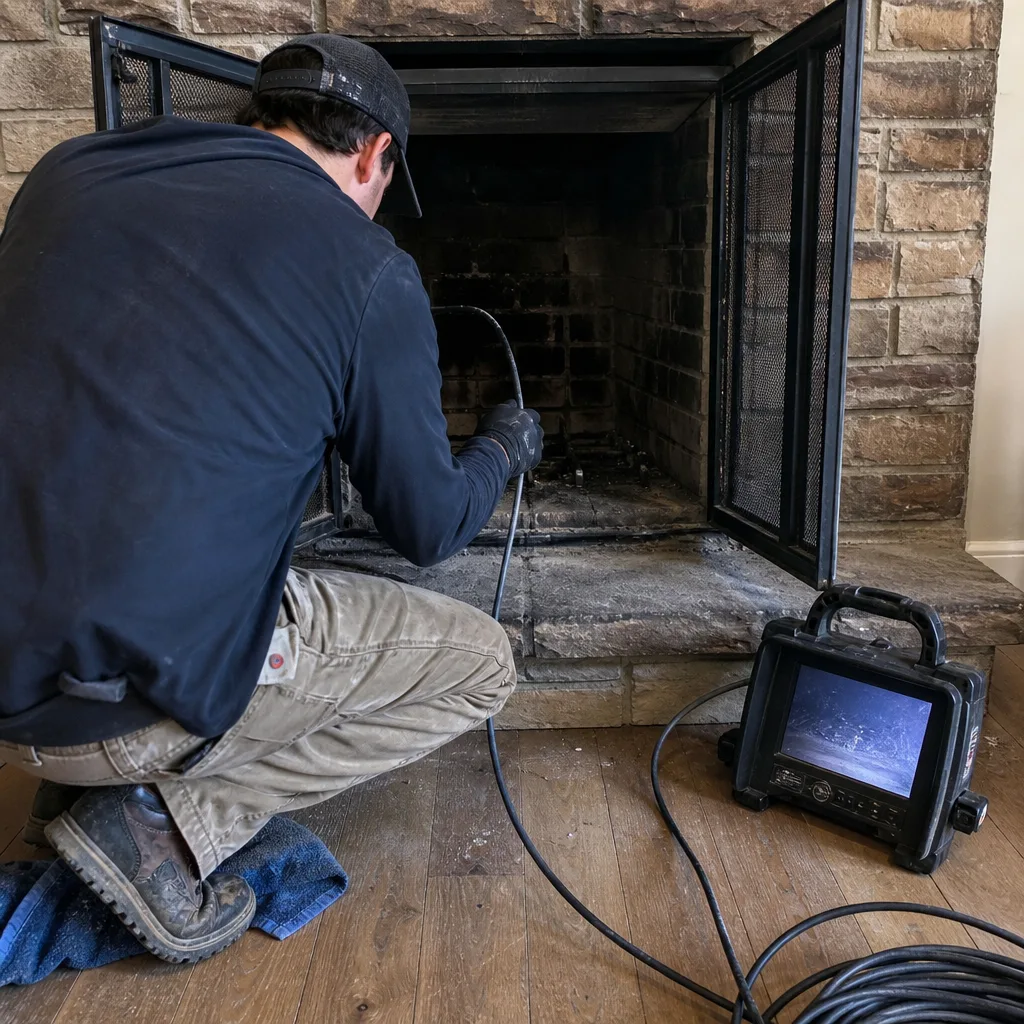
Chimney cleaning in Camden is not a single service but a four-component protocol applied to housing stock with distinct age-related risks. The firebox, smoke chamber, flue liner, and cap each demand specific attention, and the cleaning method must match the creosote stage present. A flashlight-only inspection misses the conditions that determine whether cleaning is safe, sufficient, or even appropriate. Documentation - camera stills, written findings, technician signature, and warranty - separates performed work from billed work. Before you schedule your next sweep, ask what components will be cleaned, what inspection precedes the brushing, and exactly what documentation you’ll hold when the technician leaves. Browse our more guides & resources for additional homeowner tips.
Written by Corrine Halstead, Owner at Level Two Chimney Camden, serving Camden since 2009.